You may have been told you have “pigmentation” when what you really want to know is whether that means normal skin color, sun spots, melasma, or post-acne marks. That confusion is common, and it matters. If you are asking what is the difference between hyperpigmentation and pigmentation, the short answer is this: pigmentation is the natural color in your skin, while hyperpigmentation is a specific condition where certain areas become darker than the surrounding skin.
That distinction sounds simple, but in practice, it affects how a concern is identified, how realistic treatment expectations should be, and which options are worth considering. In aesthetic medicine, precise language helps lead to more precise treatment planning.
What Is the Difference Between Hyperpigmentation and Pigmentation?
Pigmentation refers to the coloring of your skin. It is determined largely by melanin, the pigment produced by melanocytes. Your baseline skin tone, freckles, and the way your skin responds to sun exposure are all tied to pigmentation.
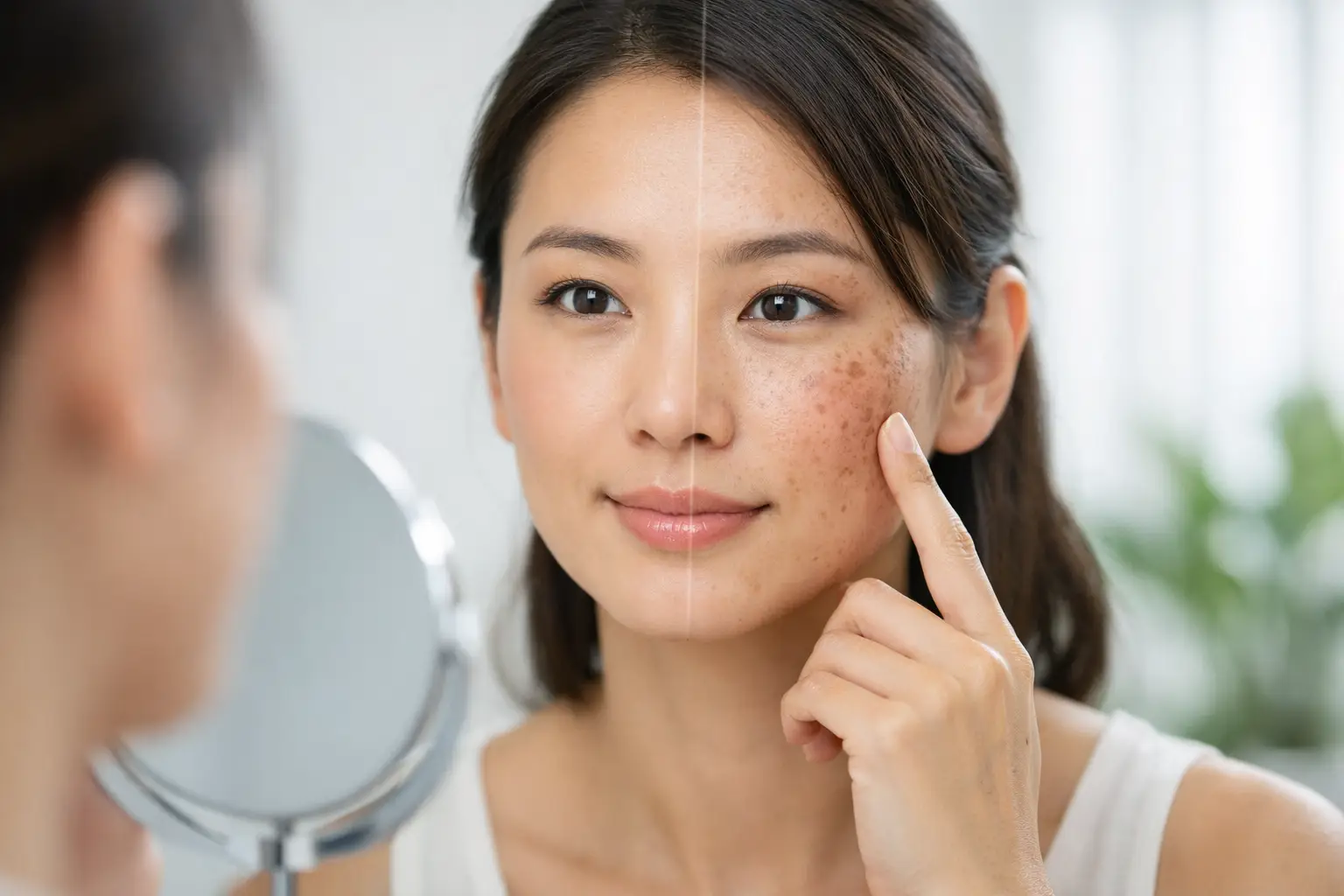
Hyperpigmentation, on the other hand, is excess pigment in certain areas. Instead of referring to your overall skin color, it describes patches, marks, or uneven areas that appear darker than your natural tone. These spots can be light brown, dark brown, gray-brown, or even appear slightly blue-gray depending on how deep the pigment sits in the skin.
So when patients say, “I have pigmentation,” they often mean they have unwanted darkening. In everyday conversation, that usage is understandable. Medically and aesthetically, though, hyperpigmentation is the more accurate term for localized dark patches.
Understanding Pigmentation in the Skin
Healthy pigmentation is not a problem to be corrected. It is a normal biological function that gives skin its color and helps protect it from ultraviolet damage. Melanin production varies from person to person, which is why skin tones differ naturally.
Pigmentation can also change temporarily. Sun exposure can deepen skin tone. Hormones can influence pigment activity. Inflammation can stimulate melanocytes and trigger darker marks after the skin heals. This is where the conversation shifts from normal pigmentation to hyperpigmentation.
For many adults, especially those dealing with acne, sun damage, or hormonal changes, the concern is not their natural skin tone. It is the unevenness that develops on top of it.
Common Types of Hyperpigmentation
Not all dark spots are the same, and this is where treatment becomes more nuanced. Two marks may look similar in the mirror but respond very differently in a clinical setting.
Post-inflammatory hyperpigmentation
This type appears after the skin has been irritated or inflamed. Acne is a common trigger, but so are eczema, insect bites, scratches, and aggressive skin picking. Once the initial issue settles, a flat dark mark remains.
Post-inflammatory hyperpigmentation is especially common in medium to deeper skin tones, where melanocytes tend to respond more actively to inflammation. These marks may fade with time, but that process can be slow, particularly if new breakouts keep occurring.
Melasma
Melasma often shows up as symmetrical brown or gray-brown patches, usually on the cheeks, forehead, upper lip, or jawline. It is strongly associated with hormonal influences and sun exposure. Heat can also aggravate it.
This type of hyperpigmentation can be persistent and tends to recur if the underlying triggers are not managed. It often requires a more careful, long-term approach rather than a single treatment session.
Sun spots
Sun spots, also called age spots or solar lentigines, tend to appear after cumulative ultraviolet exposure. They are often seen on the face, hands, chest, and other areas that receive regular sun exposure.
These spots are usually well-defined and may respond well to certain in-clinic treatments, but the right approach depends on skin type, spot depth, and overall skin health.
Why the Difference Matters for Treatment
If pigmentation is simply your natural skin color, treatment is not the goal. If hyperpigmentation is the concern, the next question is what type it is, how deep it is, and what triggered it.
That matters because dark spots are not all treated the same way. Post-acne marks may improve with one strategy. Melasma may worsen with the wrong heat-based approach. Sun spots may respond quickly, while deeper dermal pigmentation can take longer and may only partially improve.
This is why evidence-based, results-oriented care begins with assessment rather than assumptions. A personalized treatment plan should take into account the pattern of pigmentation, your skin tone, your history of sun exposure, whether the condition is stable or recurring, and how sensitive your skin is.
What Causes Hyperpigmentation?
Hyperpigmentation develops when melanocytes produce excess melanin or when pigment is unevenly distributed in the skin. The trigger can be obvious, like acne, or less obvious, like hormones or repeated low-grade sun exposure.
The most common causes include sun exposure, inflammation, hormonal fluctuations, skin injury, and irritation from harsh products or inappropriate treatments. In some cases, multiple factors are involved at once. A patient with acne may also have sun-triggered darkening, which makes the discoloration more stubborn.
There is also a timing factor. Fresh marks can behave differently from long-standing pigmentation. Some respond well to topical care and gradual skin renewal. Others need targeted treatment because the pigment sits deeper or has become more established.
Can Hyperpigmentation Fade on Its Own?
Sometimes, yes. But “can fade” is not the same as “will fade quickly.” Mild post-inflammatory hyperpigmentation may gradually lighten over several months, especially if the original trigger is controlled and the skin is well protected from sun exposure.
Melasma is less predictable. It may improve and then return. Sun spots generally do not disappear on their own once they are established. Without proper care, many forms of hyperpigmentation can also worsen, particularly with continued sun exposure or repeated inflammation.
This is where patients often become frustrated. They may try multiple brightening products without understanding whether they are dealing with superficial pigment, deeper pigment, or an ongoing trigger that keeps reactivating the issue.
How Hyperpigmentation Is Commonly Treated
Treatment should match the type and depth of pigmentation, not just the fact that the skin looks darker in certain areas. That is why a professional evaluation is valuable.
Topical options may include pigment-regulating, exfoliating, or cell-turnover-supporting ingredients. These can be useful, especially for mild or early pigmentation, but they require consistency and patience.
Chemical peels may help improve surface unevenness and support a brighter, more even-looking complexion when selected carefully for the individual. Laser-based treatments, including pico laser and pigmentation laser options, may be considered for certain types of pigmentation where targeted energy can help break up excess pigment. The key word is certain. Some pigment concerns respond well, while others, such as melasma-prone skin, require a more cautious approach.
For patients with acne-related dark marks, treatment often works best when active acne and post-inflammatory hyperpigmentation are addressed together. If breakouts continue, new marks can keep replacing the old ones.
A good treatment plan is rarely about chasing a quick fix. It is about reducing visible discoloration while protecting the skin barrier and lowering the chance of recurrence.
When to Seek Professional Advice
If the discoloration has lasted for months, keeps returning, covers large areas, or has not improved despite consistent skin care, it is worth getting assessed. The same applies if you are unsure whether the marks are acne-related, sun-related, or hormonal.
Professional guidance can also help if you have tried over-the-counter products that caused irritation. Over-treating the skin often makes hyperpigmentation worse, especially in patients whose skin is already reactive.
At Lynn Medical & Aesthetic Clinic, treatment planning is centered on the concern in front of you, not a one-size-fits-all routine. That matters because pigmentation management is most effective when it is personalized, evidence-based, and realistic about both progress and maintenance.
A More Useful Way to Think About It
Instead of asking whether pigmentation is bad, ask whether the color you are seeing is your natural skin tone or excess pigment caused by a trigger. That shift makes the issue clearer and the treatment pathway more practical.
Pigmentation is normal. Hyperpigmentation is a concern that may be treatable, but the best results usually come from identifying the cause, choosing the right approach, and giving the skin time to respond. If your dark spots have been lingering longer than they should, a professional assessment can help turn uncertainty into a plan.