The landscape of aesthetic medicine has evolved significantly over the years, transitioning from a niche service to an accessible component of holistic wellness and self-care. For residents seeking to manage the visible signs of aging and maintain overall skin health, consulting an aesthetic clinic in locally accessible neighborhoods like Serangoon represents a convenient approach to long-term skincare.
The concept of preserving a timeless appearance is not about halting the aging process completely or altering one’s fundamental facial features. Instead, it involves an educational, evidence-based approach to understanding how the skin and underlying structures change over time, and utilizing scientifically studied methods to gracefully manage these changes. Aesthetic treatments aim to support skin physiological function, address structural shifts, and promote a natural-looking vitality that is appropriate for an individual’s age and background.
This article provides a comprehensive overview of non-surgical aesthetic medical treatments, common dermatological concerns associated with aging, and the importance of professional patient assessment, safety, and adherence to Singapore’s strict healthcare regulations.
The integration of aesthetic medical clinics into residential precincts like Serangoon has facilitated a more structured and consistent approach to dermatological health. Rather than viewing aesthetic treatments as episodic or isolated events, establishing a relationship with a localized clinic allows for continuous, progressive management of skin health over many years.
Accessibility and Continuity of Care
Consistency is a vital component of any successful skincare and aesthetic management plan. When medical facilities are situated closer to home, patients may find it more convenient to attend their initial consultations, adhere to subsequent treatment schedules, and easily drop in for necessary review appointments. This geographical accessibility fosters a continuous patient-doctor relationship. A medical professional who monitors a patient’s skin over an extended period can carefully adjust strategies according to how the individual’s facial structures and skin quality naturally evolve.
Emphasizing a Holistic Approach
A professional aesthetic clinic approaches facial aging not merely by treating temporary symptoms, but by evaluating the patient comprehensively. This typically includes reviewing lifestyle habits—such as sun exposure, nutritional intake, hydration levels, and sleep patterns—all of which play a profound role in skin deterioration. An educational approach empowers patients to understand that in-clinic medical treatments are only one facet of maintaining skin health; they must be complemented by diligent home care and lifestyle adjustments.
If you’re considering treatments at an aesthetic clinic in Serangoon, you might find it beneficial to explore the science behind advanced procedures like pico laser therapy. This innovative treatment offers numerous advantages for skin rejuvenation and can help address various skin concerns effectively. To learn more about the benefits of pico laser and how it works, check out this informative article: Benefits for Your Skin: The Science Behind Pico Laser.
2. Common Skin Concerns and Age-Related Changes
To understand how various non-surgical treatments function, one must first recognize the underlying anatomical and physiological changes that occur as the human body matures. The aging process is multi-factorial, affecting the skin at the epidermal surface down to the deepest subcutaneous fat pads and skeletal structures.
Changes to Skin Elasticity and Volume
Beginning in early adulthood, the body’s endogenous production of essential structural proteins, primarily collagen and elastin, gradually begins to decline. Collagen provides the skin with rigidity and structural integrity, while elastin allows the skin to snap back into place after being stretched. Concurrently, natural stores of hyaluronic acid, a molecule responsible for retaining cellular hydration, diminish.
Beneath the dermal layer, the facial fat pads that provide youthful volume and contour tend to atrophy and slowly migrate downward due to continued gravity. Furthermore, bone resorption occurs, slightly altering the structural framework of the jawline, cheekbones, and orbital rims. Together, these processes may lead to a loss of facial volume, the appearance of hollowed areas, and a general loss of skin firmness.
Pigmentation Variations and Sun Damage
Living in a tropical climate like Singapore exposes the skin to high levels of ultraviolet (UV) radiation year-round. Chronic UV exposure accelerates skin aging—a process known as photoaging. UV rays penetrate the skin and disrupt normal cellular function, prompting melanocytes (pigment-producing cells) to overproduce melanin as a defense mechanism. Over time, this unequal distribution of melanin can present as solar lentigines (sun spots), melasma, freckles, and general uneven skin tone. Photoaging may also compromise skin texture, resulting in a leathery appearance or an increase in superficial vascularity (visible small blood vessels).
Dynamic Lines and Facial Creases
Everyday facial expressions—such as smiling, frowning, or squinting—require the constant contraction of underlying facial muscles. In younger skin, which boasts high elasticity, the skin recovers seamlessly once the expression ceases. However, as structural proteins degrade over the years, the repeated folding of the skin over these contracting muscles eventually leads to the formation of dynamic lines, such as crow’s feet and glabellar lines (frown lines). With time, these dynamic lines may etch permanently into the tissue, becoming static lines that remain visible even when the face is completely at rest.
3. Overview of Non-Surgical Treatment Modalities
Modern aesthetic medicine encompasses a broad spectrum of non-surgical modalities designed to address the aforementioned physiological changes. It is crucial to remember that results vary between individuals, and treatments are selected based on precise medical indications rather than generalized formulas.
Botulinum Toxin Treatments for Facial Lines
To manage dynamic lines caused by expressive muscular contractions, medical professionals often utilize botulinum toxin treatments. This modality involves the precise injection of a purified protein that temporarily interrupts the chemical signaling between specific nerve endings and the targeted muscle fibers. By mildly relaxing the underlying muscle, the overlying skin is allowed to smooth out, potentially softening the appearance of dynamic wrinkles.
This treatment may help improve the look of forehead lines, frown lines, and wrinkles around the eyes. The effects are not permanent; neuromuscular function gradually returns over a period of months, necessitating periodic maintenance treatments if the patient wishes to sustain the outcome.
Hyaluronic Acid Fillers for Volume Restoration
When addressing facial volume loss resulting from fat atrophy and bone resorption, hyaluronic acid filler injections are commonly considered. Hyaluronic acid is a naturally occurring glycosaminoglycan in the human body, known for its capacity to attract and hold moisture. When formulated into a pliable, injectable gel, it can be strategically placed beneath the skin to provide temporary physical support and structural volume.
Depending on the specific density and cohesivity of the generic formulation chosen by the doctor, this modality may be used to subtly augment cheeks, define the jawline, shape the lips, or soften deep creases like nasolabial folds. Because hyaluronic acid is gradually metabolized by the body’s natural enzymes (hyaluronidases), the duration of effect typically spans several months to over a year, varying widely depending on the anatomical area treated and the individual’s metabolic rate.
Collagen-Stimulating Treatments for Structural Support
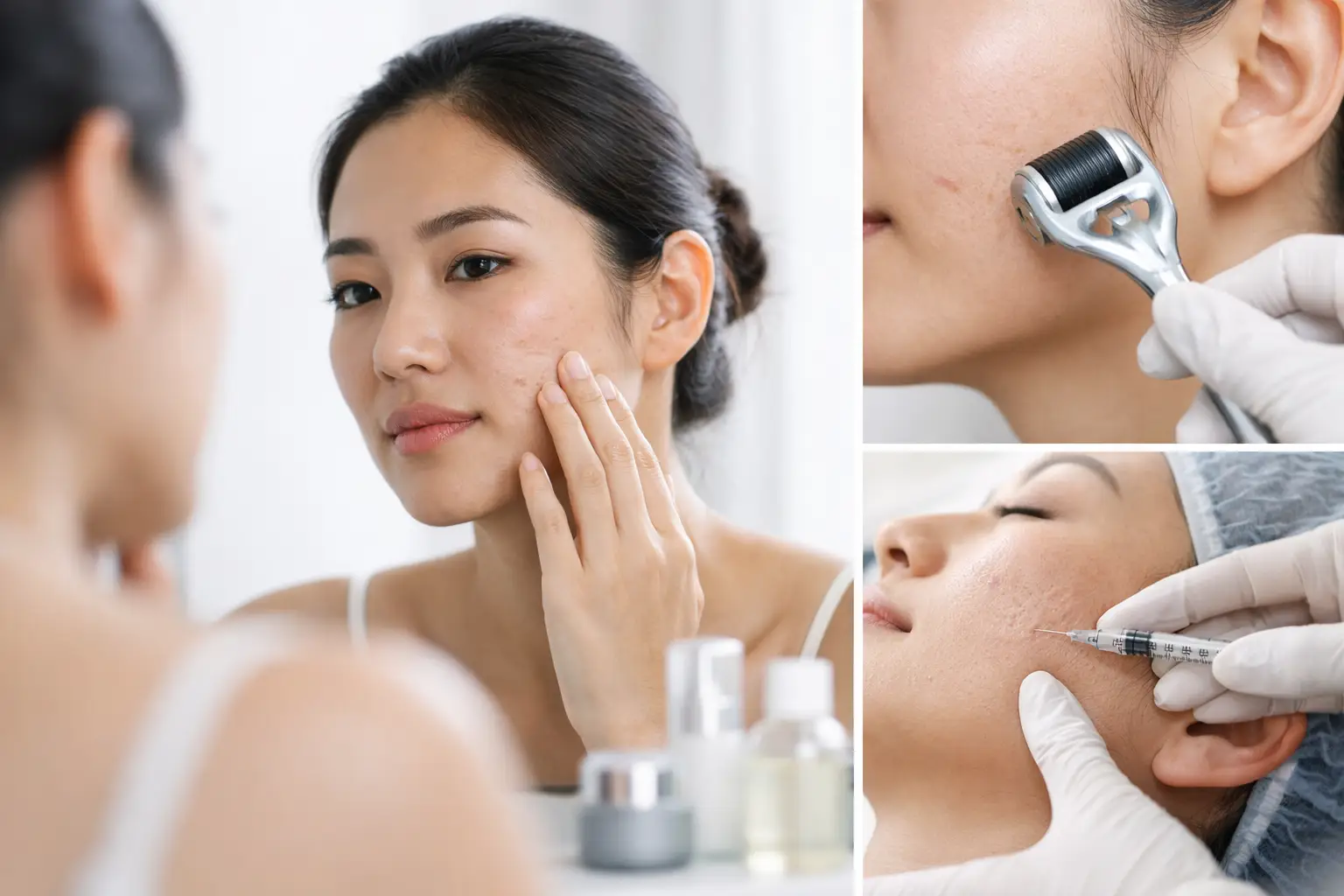
Unlike traditional fillers that simply occupy space to immediately restore volume, collagen-stimulating treatments are designed to initiate a biological response within the patient’s own tissue. These injectable treatments utilize specific biocompatible compounds that induce a controlled, mild subclinical inflammatory response in the deep dermal or subcutaneous layers.
This response aims to stimulate fibroblasts, the cells responsible for synthesizing new collagen fibers. Over a course of several weeks to months, this gradual process (neocollagenesis) may help improve underlying skin thickness, firmness, and overall structural integrity. The visual outcome develops gradually, making it a suitable option for patients seeking understated, progressive modifications rather than an immediate change in appearance.
Energy-Based Skin Treatments for Texture and Tone
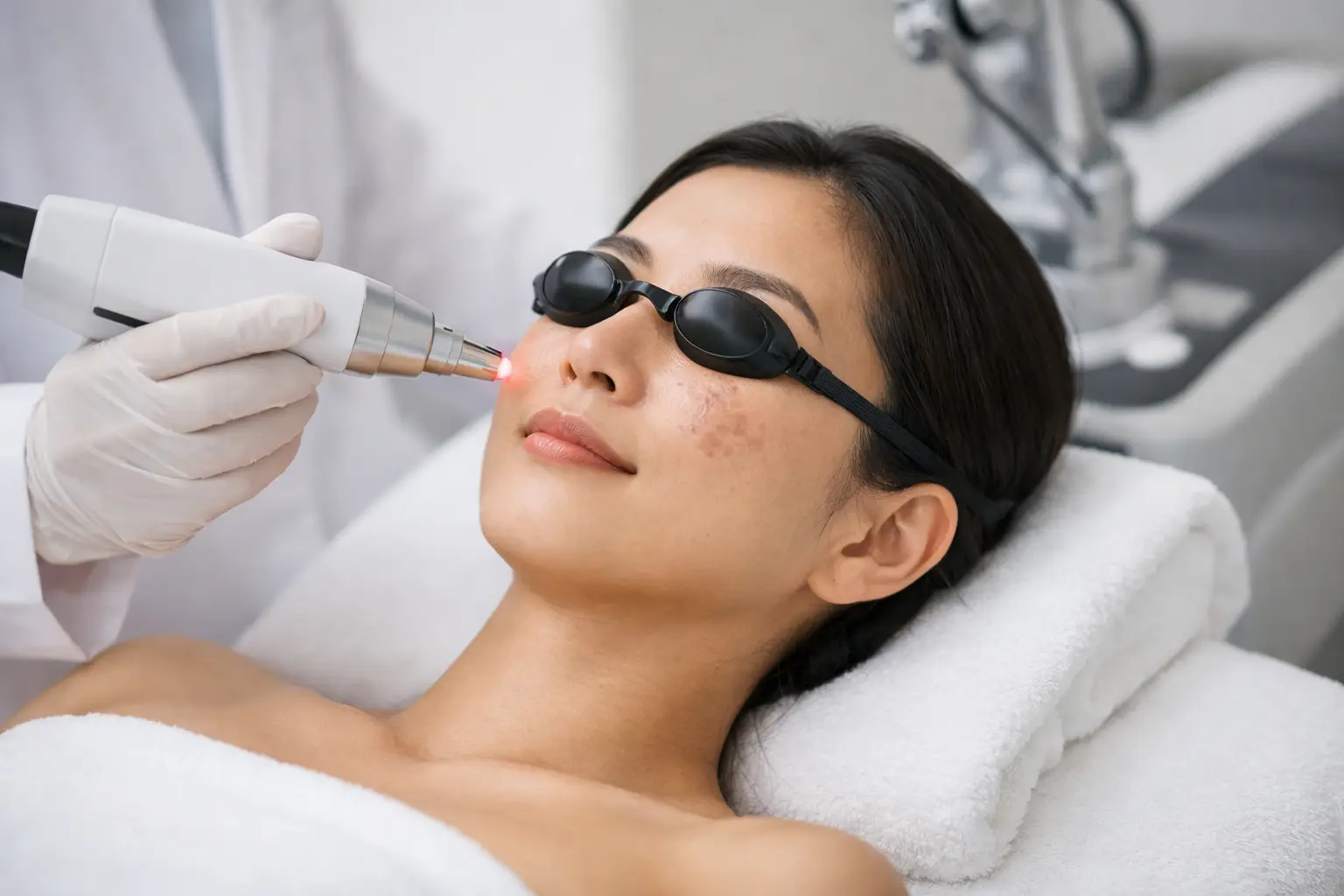
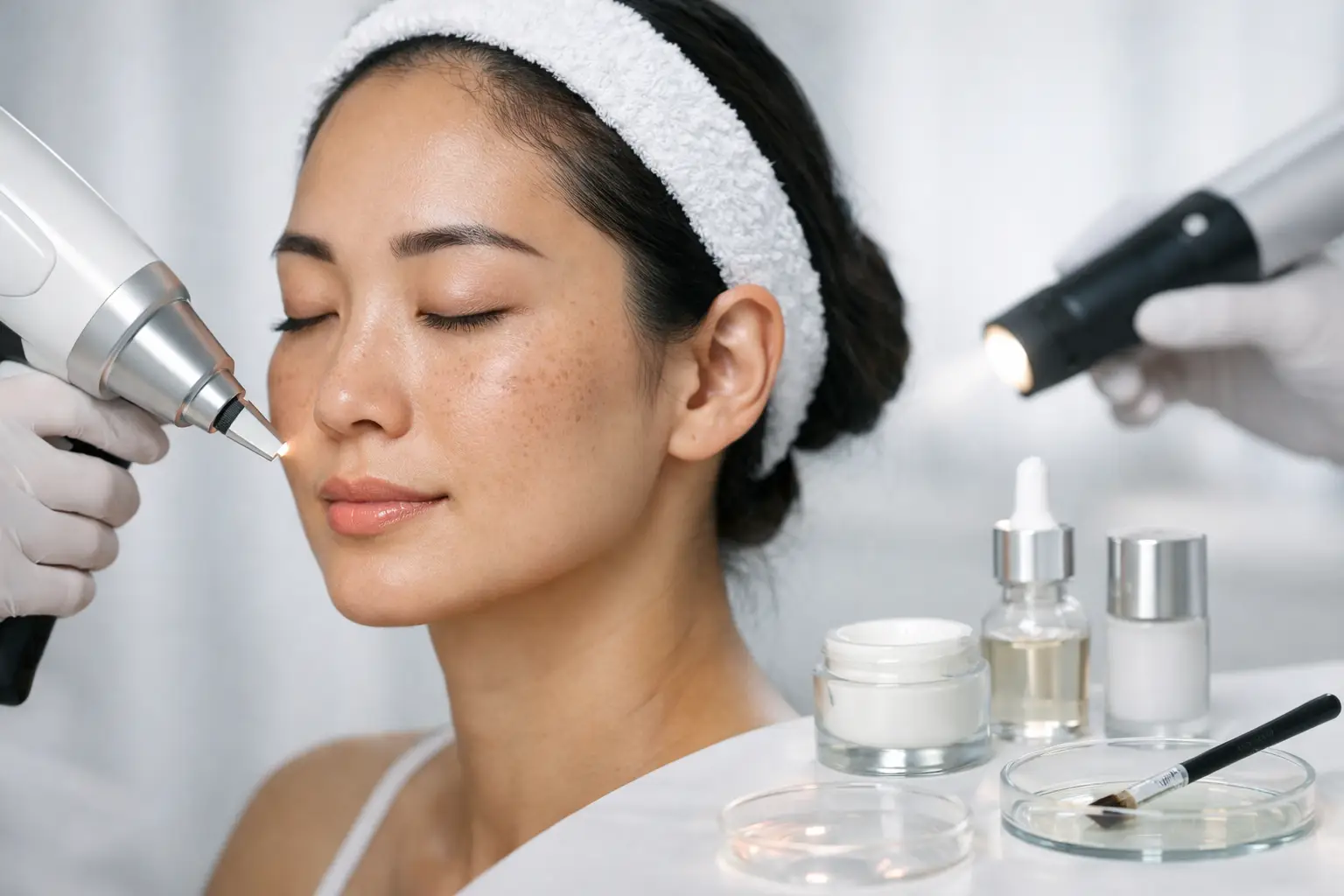
To address superficial concerns such as pigmentation irregularities, prominent pores, uneven texture, and general skin laxity, clinics frequently employ energy-based skin treatments. This category includes technologies utilizing concentrated light, laser energy, radiofrequency, and ultrasound modalities.
These devices function by delivering specific wavelengths of energy or focused heat to targeted depths of the skin. The delivered energy creates controlled micro-injuries in the tissue while bypassing or minimally disrupting the epidermal surface. This targeted thermal damage triggers the body’s natural wound-healing cascade, promoting cellular turnover, the breakdown of excess pigment particles for elimination by the immune system, and the remodeling of existing collagen fibers. Multiple sessions are often required to achieve optimal outcomes, and careful adherence to post-treatment sun protection is imperative.
4. The Importance of Patient Assessment and Suitability
Ethical aesthetic practice places a paramount emphasis on thorough medical assessment. Aesthetic treatments are medical procedures, and consequently, they are not universally suitable for every individual.
The Initial Consultation Process
Before any procedure is planned or performed, a detailed consultation with a qualified medical practitioner is mandatory. During this session, the practitioner assesses the patient’s specific anatomical features, skin health, and primary concerns. The doctor will perform a physical examination of the skin, evaluating factors such as tissue thickness, elasticity, the severity of photoaging, and underlying bone structure.
This consultation is fundamentally an educational dialogue. Patients are encouraged to articulate their visual concerns, while the medical professional explains the physiological reasons behind these manifestations and outlines which treatment modalities may—or may not—help address them.
Health History and Individual Variance
A comprehensive review of the patient’s medical history is conducted to identify any contraindications. Factors such as autoimmune conditions, active skin infections, bleeding disorders, previous aesthetic work, and current medications must be disclosed. For pregnant or breastfeeding women, the vast majority of elective aesthetic treatments are strictly contraindicated due to a lack of safety data for fetal development.
Furthermore, managing expectations is a crucial part of the consultation. Practitioners must ensure that patients understand that non-surgical treatments cannot replicate the definitive outcomes of surgical interventions. Wording such as “may help gradually improve” reflects the reality of biological variance; human tissue does not respond to medical intercession uniformly.
If you’re considering enhancing your skin’s appearance at an aesthetic clinic in Serangoon, you might find it helpful to explore various treatments available to restore hydration and radiance. A related article discusses the benefits of skin boosters, which can be an excellent option for achieving a more youthful glow. You can read more about these innovative treatments in the article found here.
5. Navigating Potential Risks, Downtime, and Aftercare
| Service | Price | Duration |
|---|---|---|
| Facial Treatment | SGD 150 | 60 minutes |
| Botox Injection | SGD 500 | 30 minutes |
| Dermal Fillers | SGD 800 | 45 minutes |
| Laser Hair Removal | SGD 200 | 30 minutes |
All medical procedures, including minimally invasive aesthetic treatments, carry inherent risks and require a degree of physical recovery. Full transparency regarding potential complications is a cornerstone of responsible medical practice.
Understanding Common Side Effects
Most injectable treatments are associated with transient, mild side effects at the injection site. These commonly include localized erythema (redness), swelling, tenderness, and varying degrees of bruising. These localized reactions generally resolve organically within a few days to two weeks.
Energy-based treatments may result in temporary post-inflammatory erythema, mild peeling, a sensation akin to a mild sunburn, or temporary darkening of pigmented areas as the skin exfoliates.
While rare, more significant complications can occur. Injectable treatments—particularly those involving volume restoration—carry a remote but serious risk of vascular occlusion, wherein the product inadvertently enters or compresses a blood vessel, potentially leading to tissue necrosis or, in extremely rare instances, visual impairment. Energy-based devices carry risks of thermal burns, scarring, or post-inflammatory hyperpigmentation if the energy settings are inappropriately high or if the patient fails to follow sun avoidance protocols.
Post-Treatment Care and Maintenance Strategy
Patient compliance with aftercare instructions significantly influences the safety, healing process, and longevity of the treatment outcome. General aftercare advice typically involves avoiding strenuous cardiovascular exercise and excessive heat exposure (such as saunas or hot yoga) for a specified period to minimize unnecessary swelling and bruising.
Practitioners will also strongly emphasize the necessity of rigorous photoprotection. Applying a broad-spectrum sunscreen, wearing protective clothing, and avoiding direct sunlight are crucial, particularly after energy-based treatments that temporarily leave the skin more vulnerable to ultraviolet damage. Patients are usually scheduled for follow-up appointments to monitor their recovery and assess the efficacy of the treatment, allowing the practitioner to determine if further sessions or protocol adjustments are required.
6. Singapore Healthcare Regulations and Ethical Practice
In Singapore, aesthetic medicine is strictly regulated by the Ministry of Health (MOH) and governed under the Healthcare Services Act (HCSA). These regulatory frameworks are established to protect public safety, ensure high standards of clinical hygiene, and mandate the ethical conduct of medical practitioners.
Upholding Safety Standards
Under these regulations, various medical aesthetic procedures may only be performed by registered medical doctors who possess the appropriate qualifications, experience, and certificates of competence for the specific modalities they utilize. Clinics are required to operate within approved premises that maintain rigorous infection control protocols, safe medical equipment management, and secure handling of sensitive patient data.
Cultivating Realistic Expectations
Singapore’s strict advertising guidelines prohibit medical clinics from utilizing hyperbolic or absolute language. Terms that suggest a procedure is “permanent,” “100% safe,” or that offer a “guaranteed” outcome are inherently misleading and medically inaccurate, as the biological response of human tissue is always subject to individual variability. Recognizing that results vary between individuals fosters an ethical environment where patients make informed consent based on clinical facts rather than aggressive marketing.
By adhering to these stringent guidelines, aesthetic clinics in Serangoon and throughout Singapore provide a safe, regulated, and professionally grounded environment. For those looking to address age-related skin concerns and pursue an enduringly well-managed appearance, seeking the counsel of a reputable, qualified medical practitioner remains the essential first step toward achieving thoughtful and medically sound outcomes.
FAQs
What services are offered at an aesthetic clinic in Serangoon?
An aesthetic clinic in Serangoon may offer a range of services including facial treatments, body contouring, hair removal, skin rejuvenation, and anti-aging treatments.
What qualifications do the staff at an aesthetic clinic in Serangoon have?
The staff at an aesthetic clinic in Serangoon typically have professional qualifications and certifications in areas such as dermatology, plastic surgery, or aesthetic medicine. They may also have specific training in the use of aesthetic equipment and procedures.
Are the treatments at an aesthetic clinic in Serangoon safe?
When performed by qualified and experienced professionals, the treatments at an aesthetic clinic in Serangoon are generally safe. It is important to follow the pre and post-treatment care instructions provided by the clinic to minimize any potential risks.
How long do the results of treatments at an aesthetic clinic in Serangoon last?
The duration of results from treatments at an aesthetic clinic in Serangoon can vary depending on the specific treatment and individual factors such as skin type and lifestyle. Some treatments may provide long-lasting results, while others may require maintenance sessions to sustain the effects.
What should I consider when choosing an aesthetic clinic in Serangoon?
When choosing an aesthetic clinic in Serangoon, it is important to consider factors such as the qualifications and experience of the staff, the range of services offered, the safety measures in place, and the clinic’s reputation and customer reviews. It is also advisable to schedule a consultation to discuss your specific needs and expectations before undergoing any treatments.