The aging process involves a complex series of physiological and anatomical changes that affect the skin, soft tissues, and bone structure of the face. Over time, environmental factors, genetics, and natural biological decline lead to a gradual loss of facial firmness and definition. In recent years, aesthetic medicine has seen a shift toward non-surgical, energy-based skin treatments designed to address signs of aging without the need for invasive surgical procedures. Among these advancements is High-Intensity Focused Ultrasound (HIFU), an energy-based modality that has become a prominent subject in discussions regarding non-invasive tissue tightening and lifting.
In Singapore, the provision of aesthetic procedures, including HIFU, is highly regulated under the Healthcare Services Act (HCSA) to ensure patient safety and clinical efficacy. The objective of this article is to provide a comprehensive, educational, and neutral overview of HIFU technology, how it functions, the treatment process, expected outcomes, and the associated risks.
To comprehend how energy-based skin treatments function, it is essential first to understand the biological mechanisms of facial aging. Aging is a multidimensional process that affects every layer of the face, from the superficial epidermis down to the skeletal structure.
The Role of Collagen and Elastin
Collagen and elastin are fundamental structural proteins located in the dermal layer of the skin. Collagen provides tensile strength and structural support, while elastin allows the skin to stretch and return to its original shape. Beginning in our mid-twenties, the body’s natural production of these proteins begins to decline. Furthermore, existing collagen fibers undergo fragmentation and degradation due to intrinsic aging (genetics, metabolic processes) and extrinsic factors (ultraviolet exposure, pollution, lifestyle choices such as smoking). This gradual depletion compromises the skin’s structural integrity, leading to the formation of fine lines, wrinkles, and an overall reduction in skin firmness.
Structural Changes Over Time
Facial aging is not limited to the surface of the skin. Beneath the dermal layer lies the Superficial Musculoaponeurotic System (SMAS), a continuous layer of tissue that connects facial muscles to the dermis. The SMAS plays a critical role in facial expression and structural support. As a person ages, the SMAS layer weakens and gradually loses its ability to support the overlying skin and fat pads.
Simultaneously, the subcutaneous fat pads, which provide youthful volume to the cheeks and mid-face, undergo atrophy (shrinkage) and begin to descend due to gravity. The combination of dermal thinning, fat repositioning, and SMAS laxity manifests clinically as jowls, a poorly defined jawline, and deepened nasolabial folds (smile lines). Addressing these concerns often requires targeting multiple layers of the facial anatomy.
If you’re considering a HIFU facelift in Singapore, you might find it helpful to explore natural alternatives for lifting and firming your skin. An insightful article titled “Sagging Skin Issues: How to Lift and Firm Your Face Naturally” discusses various methods to combat sagging skin without invasive procedures. You can read more about these natural solutions by visiting the article here: Sagging Skin Issues: How to Lift and Firm Your Face Naturally.
What is High-Intensity Focused Ultrasound (HIFU)?
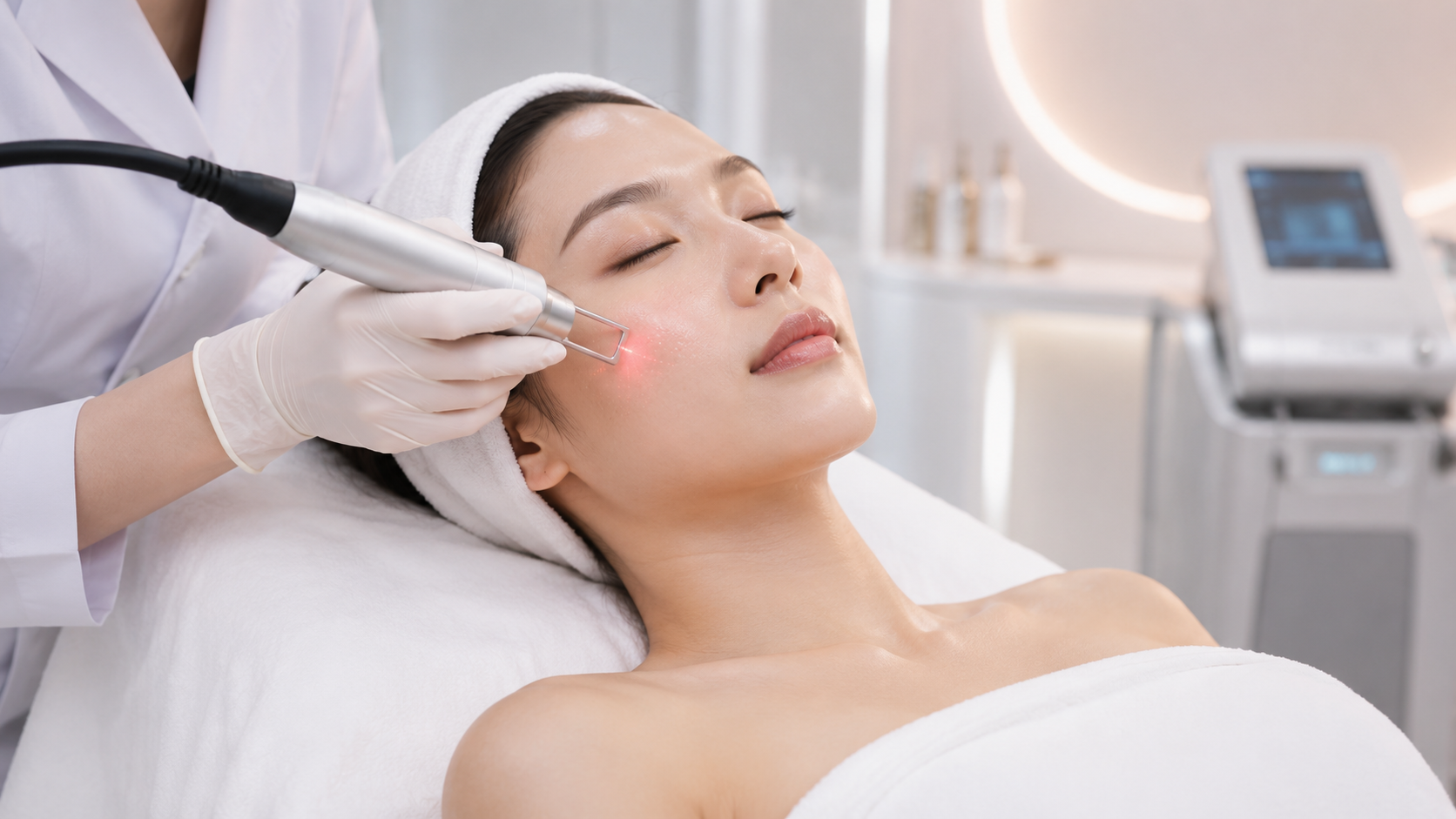
High-Intensity Focused Ultrasound, commonly referred to as HIFU, is a non-invasive medical technology that utilizes concentrated acoustic energy to target specific layers of human tissue beneath the skin’s surface. Unlike lasers or radiofrequency treatments that primarily target the superficial or mid-dermal layers using light or electrical energy, HIFU is designed to penetrate deeper layers of the facial anatomy without causing damage to the overlying epidermis.
The Science Behind Ultrasound Energy
The fundamental principle of HIFU is thermal coagulation. The device delivers focused ultrasound waves that convergence at precise focal points beneath the skin. When the acoustic waves converge, they generate localized thermal tissue heating, reaching temperatures between 60 to 70 degrees Celsius. This specific temperature range is clinically recognized as the optimal threshold for denaturing existing collagen and initiating the body’s natural wound-healing cascade.
The biological response to this controlled thermal injury occurs in three distinct phases:
- Inflammation: The immediate response to thermal coagulation involves the release of cytokines and growth factors, clearing damaged cells and preparing the tissue for repair.
- Proliferation: Over the following weeks, fibroblasts (the cells responsible for producing collagen) are activated. This phase, known as neocollagenesis, involves the synthesis of new, organized collagen and elastin fibers.
- Maturation: Over several months, the newly formed collagen undergoes cross-linking and remodeling, which gradually increases tissue tension and may help improve skin laxity.
Targeting the SMAS Layer
A defining characteristic of modern HIFU technology is its ability to transmit energy to multiple depths. Typically, treatments utilize cartridges that deliver energy at three specific depths:
- 1.5 mm: Targets the superficial dermis to address fine lines and skin texture.
- 3.0 mm: Targets the deep dermis to stimulate structural collagen production.
- 4.5 mm: Targets the SMAS layer, the same anatomical structure typically manipulated during traditional surgical facelifts.
By delivering controlled thermal energy to the SMAS, HIFU aims to induce tissue contraction and subsequent tightening of this supportive layer. While the technology interacts with the SMAS, it is vital to note that a non-invasive procedure cannot replicate the significant tissue repositioning achieved through invasive surgery.
The HIFU Treatment Process in Singapore
In Singapore, aesthetic procedures are conducted under strict medical guidelines to ensure clinical safety. The HIFU procedure involves a systematic approach, beginning long before the delivery of ultrasound energy.
Pre-Treatment Consultation and Assessment
A comprehensive medical consultation is a mandatory step before proceeding with any energy-based skin treatment. During this assessment, the medical practitioner will evaluate the patient’s medical history, current medications, and specific aesthetic concerns. A detailed physical examination of the facial anatomy will be conducted to assess the degree of skin laxity, tissue thickness, and overall skin health.
The physician will explain the mechanism of action, expected outcomes, and potential risks, ensuring the patient has a realistic understanding of what the treatment can and cannot achieve. Photographs may be taken from various angles to serve as a baseline for clinical documentation and future comparison.
During the Procedure
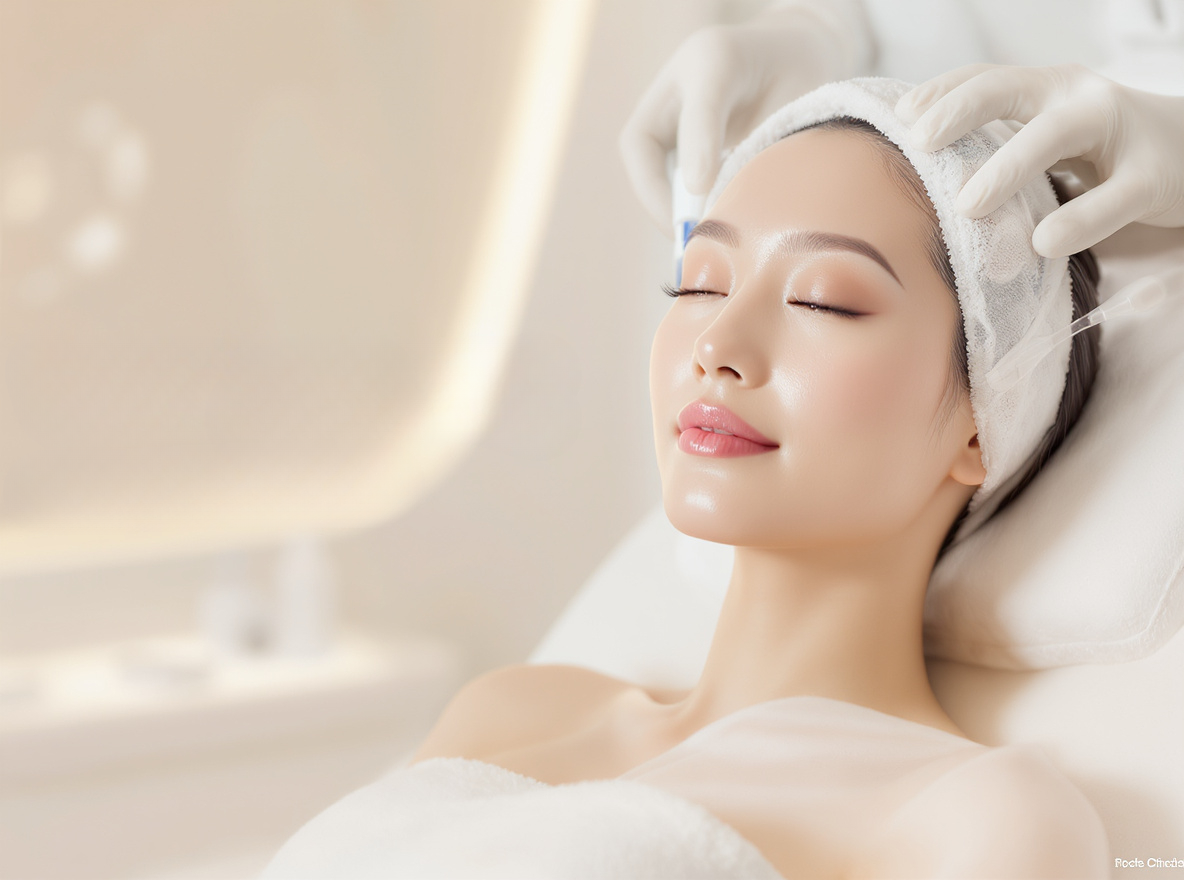
On the day of the procedure, the treatment area is thoroughly cleansed. To manage patient comfort, a topical anesthetic cream is generally applied to the face and allowed to take effect for approximately 30 to 45 minutes depending on the specific protocol. Once the numbing cream is removed, an ultrasound coupling gel is applied to the skin to facilitate the seamless transmission of acoustic waves.
The practitioner may use a skin-marking pencil to draw a grid on the face. This grid serves as a topographical map, ensuring the systematic and even distribution of ultrasound energy while deliberately bypassing critical anatomical landmarks, such as major superficial nerves.
As the HIFU applicator is systematically moved across the treatment areas, patients typically experience brief sensations of heat or a prickly feeling as the energy is deposited into the deeper tissues. The sensation varies depending on the individual’s pain threshold and the anatomical area being treated; areas with less subcutaneous fat and closer proximity to underlying bone (such as the jawline or forehead) may feel more sensitive. A standard full-face and neck session generally takes between 45 to 90 minutes to complete.
Post-Treatment Care and Recovery
Because HIFU bypasses the surface of the skin, there is generally minimal to no clinical downtime associated with the procedure. Most individuals are able to resume their normal daily activities immediately upon leaving the clinic.
However, adherence to appropriate post-treatment care is recommended to support the skin’s recovery and maximize the biological response. Patients are typically advised to:
- Apply broad-spectrum sunscreen daily to protect the treated skin from ultraviolet radiation.
- Avoid the use of harsh active ingredients, such as retinoids or exfoliating acids, for a few days to prevent unnecessary irritation.
- Maintain adequate skin hydration through gentle moisturizers.
- Avoid strenuous exercise, hot saunas, or excessively hot showers for 24 to 48 hours to minimize the risk of exacerbating post-procedural swelling.
Expected Outcomes and Realistic Expectations
A cornerstone of responsible aesthetic medical practice is the management of patient expectations. HIFU is an educational example of how biological tissue remodeling requires patience and time.
Timeline of Results
Following a HIFU treatment, a minority of patients may observe a very subtle, mild tightening effect. However, this immediate observation is generally attributed to acute tissue contraction and transient edema (post-procedural swelling) rather than true structural lifting.
The primary biological outcome—neocollagenesis—is a gradual process. The synthesis and maturation of new collagen unfold over a period of weeks to months. Clinically, visible improvements in skin texture, firmness, and subtle tissue lifting are typically reported between two to three months post-treatment. The remodeling process may continue to evolve for up to six months.
Because the procedure relies entirely on the body’s intrinsic healing response, the longevity of the results depends heavily on individual biological factors. On average, the effects of a single comprehensive treatment may last for about 12 months, after which maintenance sessions may be considered.
Factors Influencing Individual Outcomes
It is critical to emphasize that individual results vary significantly. The efficacy of an energy-based skin treatment like HIFU is influenced by several variables:
- Age and Baseline Laxity: Younger patients with mild to moderate laxity generally have more robust fibroblast activity and may respond more efficiently than older individuals with severe structural sagging or significantly depleted collagen reserves.
- Lifestyle Factors: Smoking, excessive alcohol consumption, poor sleep, and chronic sun exposure accelerate the breakdown of collagen and can severely compromise the body’s ability to generate new tissue.
- Metabolic Health: A healthy diet and stable metabolic function support optimal cellular regeneration.
- Complementary Modalities: In comprehensive aesthetic treatment plans, physicians may discuss integrating other modalities, such as hyaluronic acid fillers for volume replacement, botulinum toxin treatments for dynamic wrinkle suppression, or other collagen-stimulating treatments. A multi-layered approach is often discussed depending on individual anatomical needs.
If you’re considering a HIFU facelift in Singapore, you might find it helpful to explore various treatment options that can enhance your appearance for special occasions. A related article discusses last-minute safe treatments that can help you look your best, especially with the upcoming celebrations. You can read more about these options in this informative piece on last-minute safe treatments to get you looking snatched this CNY.
Risks, Limitations, and Suitability
| Clinic | Location | Price Range | Effectiveness |
|---|---|---|---|
| Dr. Tyng Tan Aesthetics and Hair Clinic | Orchard Road | 2000 – 4000 | High |
| SW1 Clinic | Novena | 2500 – 5000 | High |
| The Clifford Clinic | Raffles Place | 3000 – 6000 | High |
While non-invasive energy treatments have an established safety profile when performed by trained professionals in appropriate clinical settings, no medical procedure is entirely devoid of risk. Patient selection is imperative to mitigate complications and ensure a favorable risk-to-benefit ratio.
Potential Side Effects
Post-procedural side effects associated with HIFU are generally mild and transient. Patients may experience:
- Erythema (Redness): The treated areas may appear flushed immediately following the procedure. This typically resolves within a few hours.
- Edema (Swelling): Mild swelling is a normal part of the inflammatory response and may take a few days to subside entirely.
- Tenderness: The treated regions, particularly along the jawline or bony prominences, may feel tender to the touch or ache slightly, similar to the sensation of a mild muscular workout. This can persist for up to a week.
- Tingling or Altered Sensation: Due to the proximity of the thermal energy to sensory nerves, temporary tingling or mild numbness may occur, though this typically resolves spontaneously within a few weeks.
- Rare Complications: In rare instances, superficial burns, blistering, bruising, or temporary motor nerve palsy (such as temporary weakness in the marginal mandibular nerve affecting the lower lip) have been reported. Such risks highlight the necessity of having the procedure performed by a practitioner deeply knowledgeable about facial anatomy who can properly map out danger zones to avoid neural injury.
Who is an Ideal Candidate?
HIFU is most appropriately suited for individuals who are experiencing early signs of skin aging. The ideal biological candidate generally falls between the ages of 30 and 50 and presents with mild to moderate skin laxity. Typical clinical presentations suitable for this technology include a slight drooping of the brow, early formation of jowls, subtle laxity under the chin (submental area), and fine lines on the decolletage.
Candidates must have a clear understanding that this is a non-surgical intervention and must maintain realistic expectations regarding the magnitude of improvement possible.
Who Should Avoid the Treatment?
There are absolute and relative contraindications to HIFU therapy. The procedure may not be suitable, or should be deferred, in the following circumstances:
- Severe Skin Laxity: Individuals with advanced aging, significant redundancies of skin, or profound volume loss are generally poor candidates for non-invasive tightening. In such scenarios, surgical interventions face-lifts or neck-lifts may be the medically appropriate recommendation.
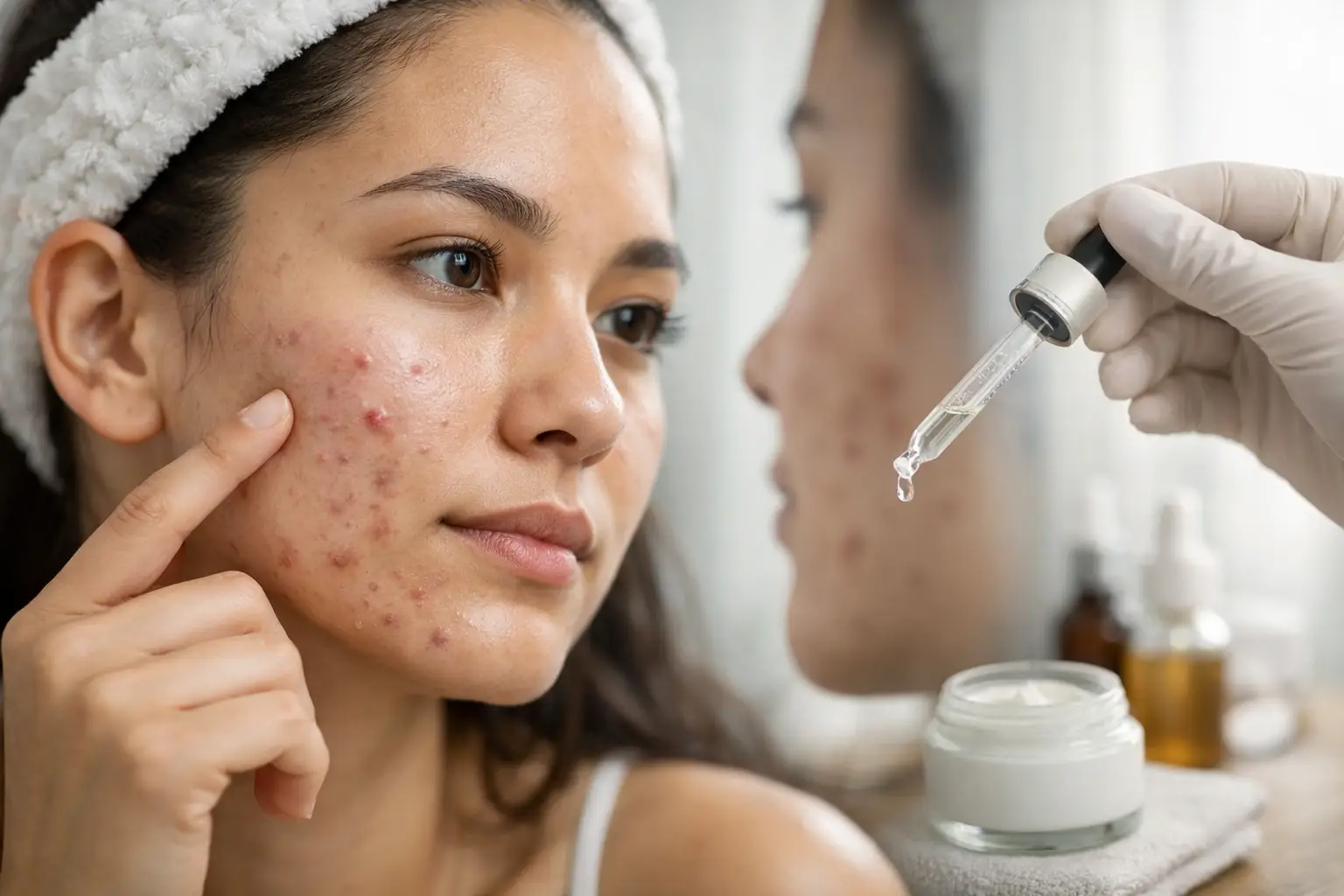
- Active Skin Conditions: Patients with active severe acne, open facial wounds, eczema, or active cutaneous infections (such as Herpes Simplex) in the proposed treatment area must postpone therapy until the condition is fully resolved.
- Implanted Devices: The presence of metallic stents, pacemakers, or certain bio-absorbable mechanical implants in the direct anatomical area of treatment may contraindicate the use of deep energy delivery.
- Pregnancy and Breastfeeding: As a precautionary measure, elective energy-based aesthetic treatments are contraindicated for pregnant or lactating individuals due to the lack of clinical safety data for this specific demographic.
- Autoimmune and Bleeding Disorders: Patients with bleeding disorders, impaired wound healing capabilities, or certain systemic autoimmune diseases may have an altered response to thermal injury and require thorough medical evaluation prior to clearance.
In conclusion, understanding the role of technologies like High-Intensity Focused Ultrasound requires a comprehensive view of how facial structures change over time and how controlled thermal energy interacts with biological tissues. By targeting multiple layers, including the deeper SMAS layer, HIFU aims to stimulate the body’s natural regenerative processes to address mild to moderate skin laxity. Because patient response is contingent on personal physiological factors, managing expectations and adhering to proper medical screening are vital. For those considering aesthetic procedures in Singapore, seeking consultation with appropriately trained medical professionals within clinics operating under the prevailing healthcare regulations ensures that treatments are both medically appropriate and safely administered.
FAQs
What is HIFU facelift?
HIFU (High-Intensity Focused Ultrasound) facelift is a non-invasive cosmetic procedure that uses ultrasound energy to lift and tighten the skin on the face and neck.
How does HIFU facelift work?
During a HIFU facelift, ultrasound energy is delivered deep into the skin, targeting the deep foundational layer of tissue that is typically addressed in a surgical facelift, without cutting or disrupting the surface of the skin.
What are the benefits of HIFU facelift?
The benefits of HIFU facelift include tightening and lifting of the skin, stimulating collagen production, and improving the overall texture and tone of the skin. It is a non-invasive procedure with minimal downtime.
Is HIFU facelift safe?
HIFU facelift is considered to be a safe and effective procedure for skin tightening and lifting. However, as with any cosmetic procedure, there are potential risks and side effects, which should be discussed with a qualified healthcare professional.
Where can I get a HIFU facelift in Singapore?
HIFU facelift procedures are offered by various aesthetic clinics and medical spas in Singapore. It is important to research and choose a reputable and experienced provider for this procedure.