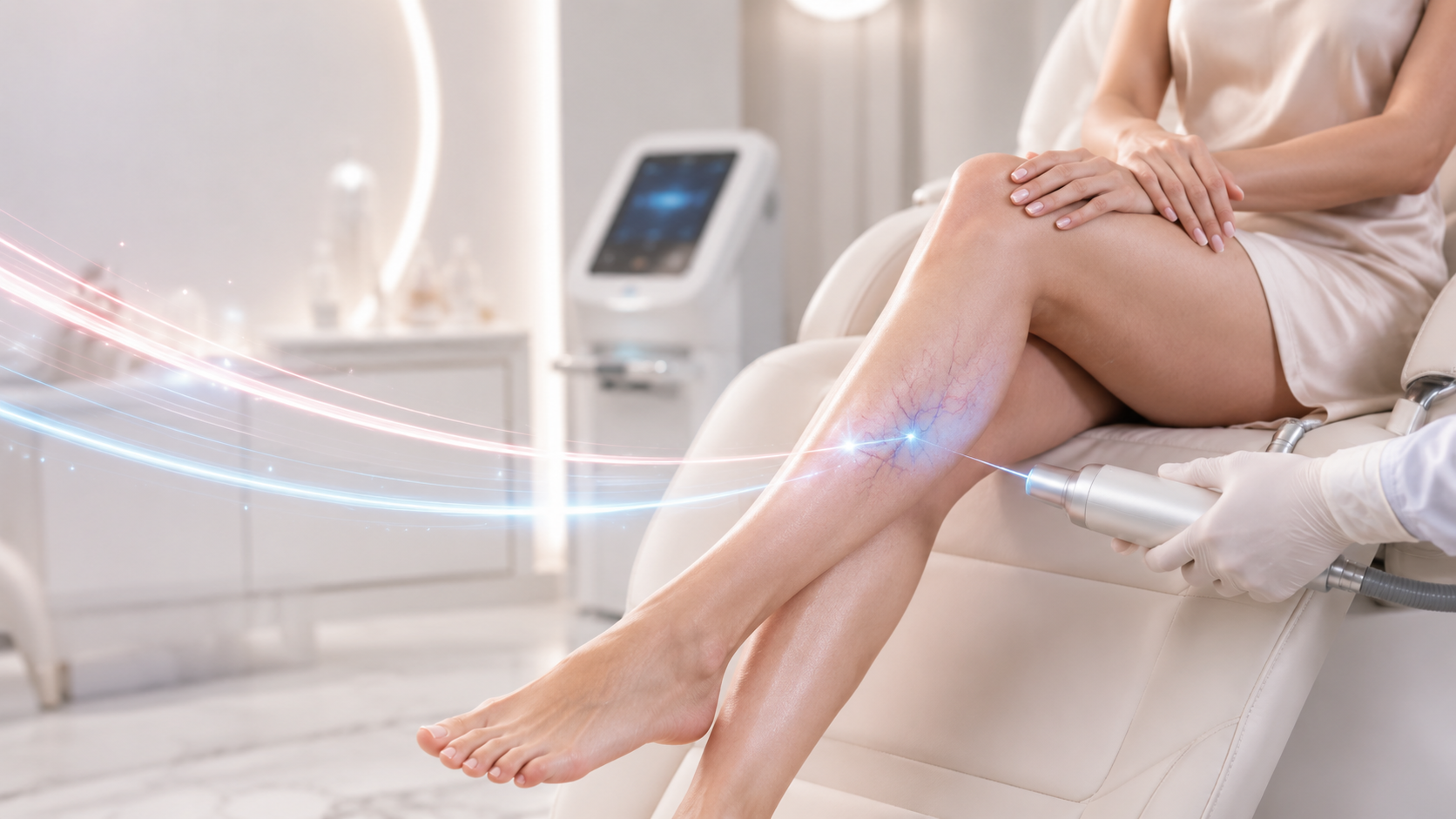
Spider veins, medically referred to as telangiectasia, are small, dilated blood vessels that typically appear near the surface of the skin. Most commonly visible on the lower extremities, such as the thighs, calves, and ankles, as well as occasionally on the face, these web-like formations present as thin red, blue, or purple lines. While they are generally harmless from a medical standpoint, many individuals may seek ways to address their appearance for aesthetic reasons or due to mild discomfort.
In Singapore, energy-based skin treatments, commonly referred to as vascular laser treatments, are utilized by medical practitioners to help manage the appearance of spider veins. This educational overview aims to explain the anatomical mechanisms behind spider veins, how energy-based vascular treatments function, who may be a suitable candidate, and the realistic expectations one should hold when considering this medical aesthetic procedure.
To comprehend how vascular treatments work, it is first necessary to understand the physiological nature of spider veins and the various factors that contribute to their development.
What Are Spider Veins?
Spider veins are very small blood vessels that have dilated and become visible through the skin. The human circulatory system relies on a series of veins equipped with one-way valves that facilitate the return of blood to the heart. When these valves weaken or malfunction, blood may pool within the vessels. Over time, the increased pressure causes the delicate capillary walls to expand and become visible on the skin’s surface.
It is important to differentiate spider veins from varicose veins. Varicose veins are larger, deeper, and often bulge outward from the skin. While energy-based skin treatments are frequently utilized for superficial spider veins, they are generally not the primary modality for larger varicose veins, which often require alternative medical interventions.
Genetic and Hormonal Factors
The predisposition to developing spider veins often has a strong genetic component. Individuals with a family history of visible blood vessels are generally more likely to develop them at some point in their lives. Additionally, hormonal fluctuations play a significant role. Estrogen inherently relaxes vein walls, making women more susceptible to spider veins, particularly during pregnancy, menstruation, or when utilizing hormonal therapies.
Lifestyle and Occupational Influences
Environmental and lifestyle factors also contribute to the weakening of blood vessel walls. In a bustling urban environment like Singapore, many individuals engage in occupations that require prolonged periods of standing, such as in retail and healthcare, or prolonged sitting, such as in office environments. Staying in one position for extended durations increases venous pressure in the lower legs, which may accelerate the formation of spider veins. Other contributing factors include a sedentary lifestyle, weight fluctuations, and chronic cumulative sun exposure, which can weaken the skin and superficial blood vessels, particularly on the face.
If you’re considering treatment options for spider veins, you might find it helpful to explore related topics that can enhance your overall skin health. For instance, understanding the impact of your skincare routine on your skin’s appearance is crucial. An informative article titled “Late Night Skincare Myths That Might Be Holding Back Your Glow” discusses common misconceptions about nighttime skincare practices that could affect your skin’s vitality. You can read more about it here.
The Mechanism of Energy-Based Vascular Treatments
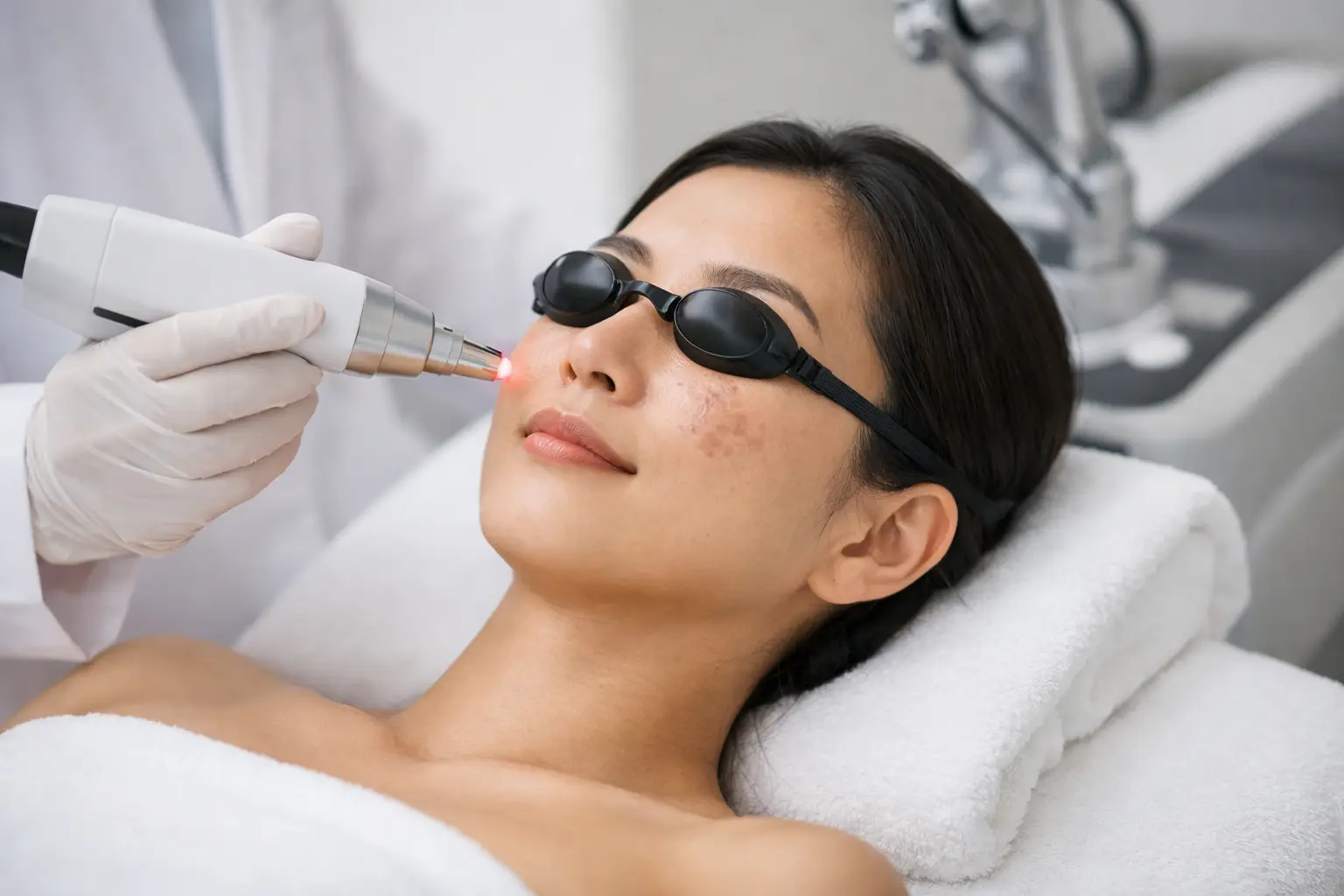
Vascular laser treatments utilize concentrated light energy to target and manage visible blood vessels. The procedure relies on sophisticated physical principles to selectively address the targeted tissue without causing undue harm to the surrounding skin.
The Principle of Selective Photothermolysis
The foundational science behind energy-based vascular treatments is selective photothermolysis. This principle involves using a specific wavelength of light that is highly absorbed by a target structure—in this case, the blood—while being largely ignored by surrounding tissues. When the specialized light pulse is directed at the skin, it passes safely through the outer layers and is absorbed by the intended target. This selective targeting is crucial in aesthetic medicine to minimize collateral damage to the surrounding epidermis and dermis.
Targeting Hemoglobin
In the context of treating spider veins, the target chromophore (the light-absorbing component) is hemoglobin, the protein responsible for carrying oxygen in red blood cells. As the laser energy is absorbed by the hemoglobin, it is converted into localized thermal energy, or heat. This rapid elevation in temperature coagulates the blood within the vein and selectively damages the inner lining of the blood vessel wall.
The Body’s Natural Healing Response
Once the blood vessel wall has been sufficiently heated and damaged by the laser energy, the vessel collapses and seals shut. Blood flow is naturally redirected to deeper, healthier veins nearby. Following the procedure, the treated vessel essentially becomes a microscopic form of cellular debris. Over the course of several weeks to months, the body’s lymphatic and immune systems, specifically scavenging cells known as macrophages, gradually absorb and metabolize the collapsed vein. As this natural absorption process occurs, the appearance of the spider vein may progressively fade from the skin’s surface.
Evaluating Suitability for Vascular Laser Treatments
While energy-based skin treatments are a recognized method for addressing spider veins, they are not universally suitable for everyone. A thorough evaluation by a qualified medical practitioner is necessary to determine if this approach aligns with an individual’s specific physiological condition.
Assessing the Type and Size of Veins
The efficacy of vascular laser treatment is highly dependent on the anatomical characteristics of the veins being targeted. Energy-based treatments are typically most effective for small, superficial spider veins and fine telangiectasia measuring less than a few millimeters in diameter. During a consultation, a practitioner will examine the depth, size, and color of the vessels. If underlying venous insufficiency (a deeper circulatory issue) is diagnosed, the practitioner may recommend alternative or concurrent medical treatments, as addressing only the superficial veins without managing the underlying pressure issue may result in suboptimal outcomes.
Skin Type and Pigmentation Considerations
An individual’s skin type, characterized by the Fitzpatrick scale, is a critical factor in determining suitability for laser treatments. Because lasers target pigment (such as hemoglobin), there is a risk that the melanin (skin pigment) in darker skin types may also absorb the light energy. This incidental absorption can increase the risk of thermal burns or post-inflammatory hyperpigmentation. To mitigate this, practitioners utilize specific wavelengths of laser light that penetrate deeper and bypass the superficial melanin to safely target the blood vessels. A thorough assessment of the patient’s skin phototype is mandatory to select the appropriate treatment parameters.
Contraindications and Medical History
Certain medical conditions and medications may disqualify an individual from undergoing energy-based vascular treatments. Contraindications typically include active skin infections in the treatment area, a history of keloid scarring, bleeding disorders, or the presence of autoimmune diseases that impact skin healing. Additionally, individuals taking photosensitizing medications or oral retinoids must disclose this to their practitioner, as these can increase skin sensitivity to light therapies. Treatment is also generally contraindicated for women who are pregnant or nursing, primarily as a precautionary measure.
The Treatment Journey: Preparation, Procedure, and Recovery
Understanding what happens before, during, and after an energy-based vascular treatment helps individuals prepare adequately and adhere to protocols that support proper healing and recovery.
Pre-Treatment Preparation
Prior to the procedure, practitioners will provide specific guidelines to condition the skin and minimize potential risks. Patients are typically advised to strictly avoid ultraviolet (UV) exposure, including natural sunlight and tanning beds, for several weeks before the treatment. Tanned skin contains heightened melanin, which can interfere with the laser’s precision and increase the risk of adverse side effects. Furthermore, patients may be advised to gently cease the use of certain topical skincare products, such as strong exfoliants or acids, and to consult their prescribing doctor about pausing blood-thinning medications or supplements, which could exacerbate bruising.
The Treatment Experience
During the procedure, both the patient and the practitioner must wear protective eyewear. The treatment area is cleansed, and depending on the specific equipment used, a clear ultrasound gel may be applied to the skin. Modern vascular lasers are often equipped with integrated cooling mechanisms—such as a chilled sapphire tip or a continuous cold air spray—that cool the epidermis shortly before, during, and after the laser pulse is delivered.
As the practitioner directs the laser pulses along the length of the spider vein, patients may experience a distinct physical sensation. This is frequently described as a mild stinging feeling, akin to the quick snap of a rubber band against the skin, accompanied by a brief sensation of heat. The duration of the treatment session varies depending on the size and number of the areas being addressed, generally ranging from fifteen to forty-five minutes.
Post-Treatment Care Protocols
Immediately following the procedure, the treated area may exhibit erythema (redness) and mild edema (swelling), similar to a localized sunburn. Practitioners may apply a soothing ointment or recommend the use of cold compresses to manage discomfort. For lower extremity treatments, patients are often advised to wear medical-grade compression stockings for a prescribed period. Compression helps to apply gentle, continuous pressure to the treated legs, encouraging the collapsed blood vessels to remain closed and facilitating the body’s absorption process.
During the recovery phase, it is crucial to avoid activities that induce vasodilation (the widening of blood vessels). This includes steering clear of hot environments such as saunas, steam rooms, and hot baths, as well as abstaining from strenuous aerobic exercise and heavy lifting for several days to a week. Rigorous sun protection using a broad-spectrum sunscreen and protective clothing is imperative to prevent post-inflammatory hyperpigmentation while the skin barrier is healing.
If you’re considering treatments for spider veins, you might find it interesting to explore how various factors can influence skin health and appearance. A related article discusses the impact of facial expression habits on aging skin, which can provide valuable insights into overall skin care. For more information, you can read the article here. Understanding these connections can enhance your approach to both spider vein treatments and maintaining youthful skin.
Risks, Limitations, and Managing Expectations
| Treatment Type | Cost | Duration | Effectiveness |
|---|---|---|---|
| Laser Treatment | Varies | 30-60 minutes | Effective for small to medium spider veins |
| Sclerotherapy | Varies | 30-60 minutes | Effective for larger spider veins |
| Number of Sessions | Varies | Multiple sessions may be required | Results may be seen after 1-3 sessions |
In compliance with the Singapore Healthcare Services Act and responsible medical practices, it is essential to communicate that no aesthetic medical procedure is devoid of risks. Establishing realistic expectations is a cornerstone of patient education.
Potential Side Effects and Complications
While energy-based vascular treatments are generally well-tolerated when performed by trained professionals, potential side effects may occur. Common and temporary reactions include localized bruising, redness, and swelling, which typically subside over a matter of days. Transient changes in skin pigmentation, presenting as dark spots (hyperpigmentation) or light spots (hypopigmentation), may also arise; though usually temporary, they can occasionally be prolonged.
More severe complications, while rare, can include epidermal blistering, crusting, or the formation of fine scars. Adherence to post-treatment care instructions heavily influences the healing trajectory and minimizes the likelihood of these adverse events.
Understanding That Results Vary Between Individuals
It is important to understand that results from vascular treatments vary significantly between individuals. Complete clearance of spider veins is not guaranteed. While some veins may visibly diminish after a single session, it is standard practice to require a series of treatments—often spaced several weeks apart—to achieve the desired reduction in appearance.
Furthermore, the fading process is gradual. Because the treatment relies on the body’s innate immune system to clear the cellular debris of the collapsed vein, it may take several weeks or even months for the final outcome of a single session to become fully apparent. Immediate results should not be expected.
Long-Term Maintenance and Lifestyle Adjustments
A vital aspect of managing expectations is acknowledging that energy-based skin treatments do not cure the underlying predisposition to venous dilation. The procedure may help manage the appearance of existing spider veins, but it does not prevent the formation of new ones in the future. As time passes, aging, ongoing gravitational pressure, and continued hormonal fluctuations may lead to the emergence of new telangiectasias.
To maintain vascular health over time, patients are often encouraged to adopt supportive lifestyle modifications. This may include integrating regular, low-impact exercise into one’s routine to promote healthy blood circulation. Engaging in calf-strengthening exercises is particularly beneficial, as the calf muscles act as a pump to assist blood flow back to the heart. Other recommendations may include elevating the legs while resting, avoiding continuous standing or sitting for prolonged periods, maintaining a healthy body weight, and routinely wearing compression garments during long flights or extended periods of immobility.
In conclusion, energy-based vascular treatments offer a scientifically grounded method for addressing the visible signs of superficial spider veins. By utilizing targeted thermal energy to selectively coagulate unwanted vessels, this modality may help improve the evenness of the skin’s appearance. However, proper patient selection, adherence to pre- and post-procedural guidelines, and a realistic understanding of the potential risks and limitations are fundamental to a satisfactory aesthetic journey. Individuals considering this procedure should seek a comprehensive evaluation with a licensed medical practitioner to discuss their unique circumstances, ensure clinical suitability, and develop a personalized approach to their aesthetic and therapeutic goals.
FAQs
What are spider veins?
Spider veins are small, damaged veins that can appear on the surface of the legs or face. They often look like a spider web or tree branches and are typically red, blue, or purple in color.
What is laser treatment for spider veins?
Laser treatment for spider veins involves using a focused beam of light to target and heat the veins, causing them to collapse and eventually fade from view. This non-invasive procedure is often used to improve the appearance of spider veins on the legs and face.
Is laser treatment for spider veins safe?
Laser treatment for spider veins is considered safe when performed by a qualified and experienced healthcare professional. It is important to consult with a doctor to determine if you are a suitable candidate for the procedure and to discuss any potential risks or complications.
How long does it take to see results from laser treatment for spider veins?
Results from laser treatment for spider veins can vary, but many patients start to see improvement in the appearance of their veins within a few weeks of the procedure. Multiple treatment sessions may be needed to achieve the desired results.
Where can I find laser treatment for spider veins in Singapore?
Laser treatment for spider veins is available at various medical aesthetic clinics and dermatology centers in Singapore. It is important to research and choose a reputable clinic with qualified healthcare professionals who specialize in laser treatments for spider veins.