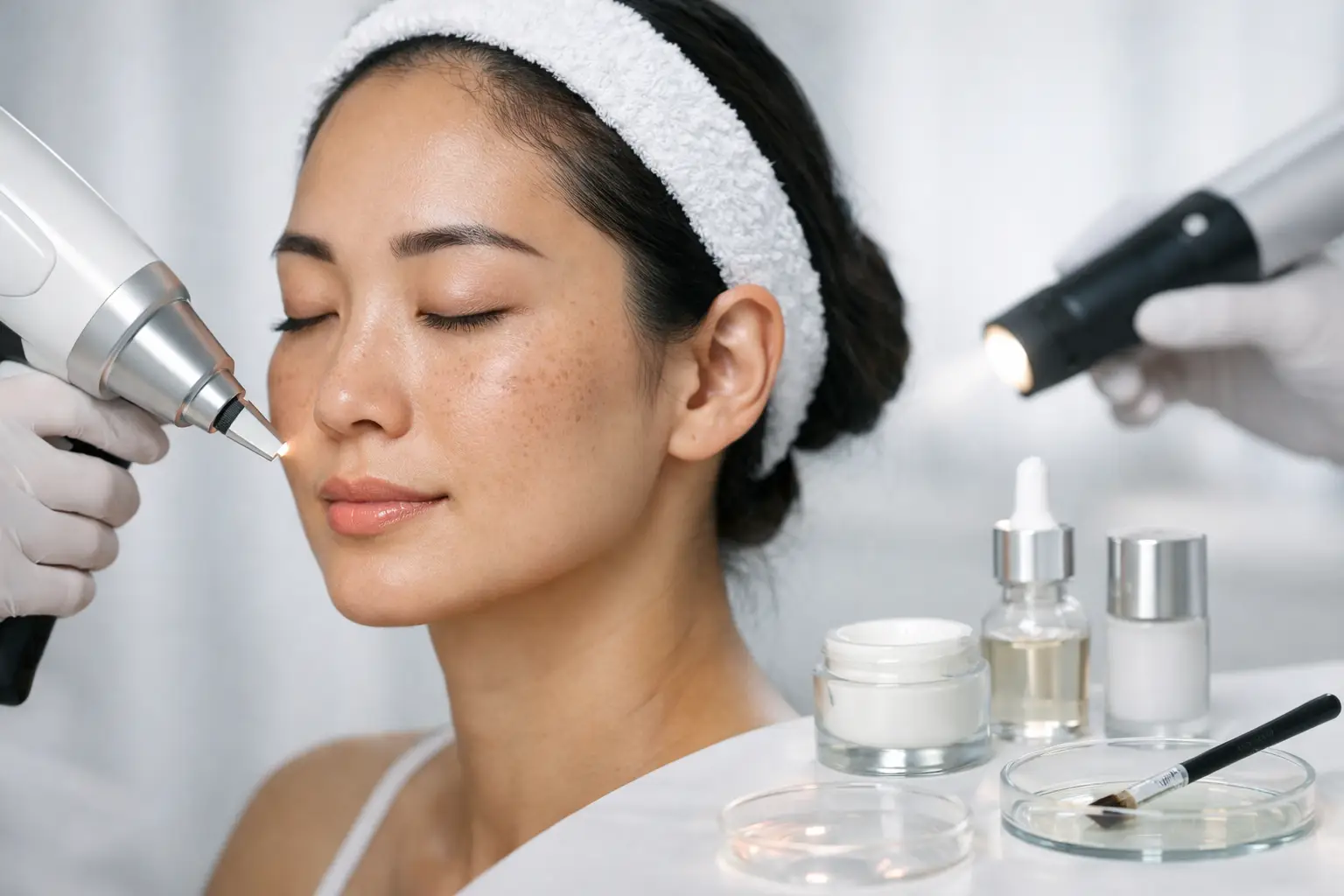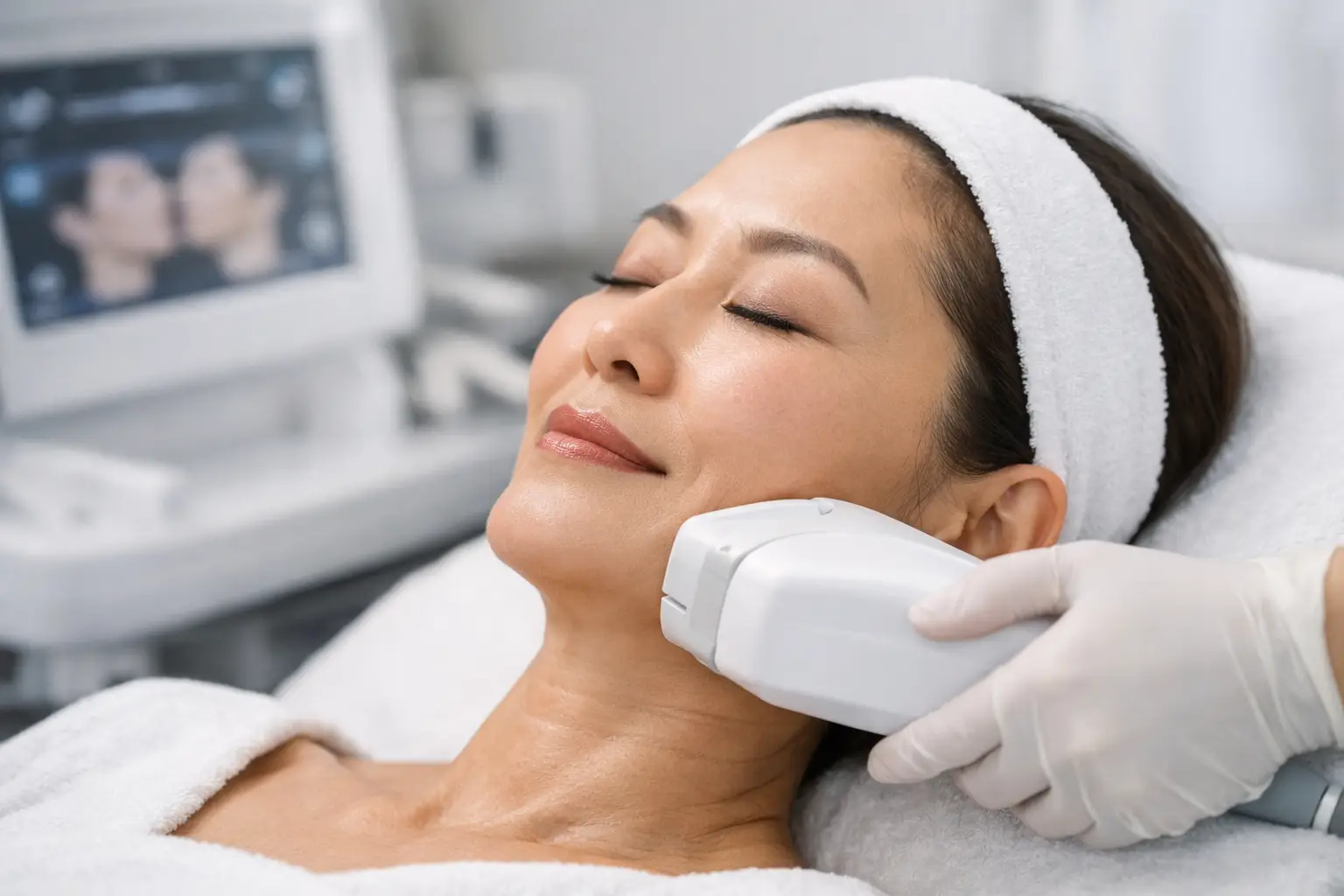
When your jawline starts to look softer, your cheeks sit a little lower, or the skin under your chin no longer feels as firm, the question usually is not whether aging is happening. It is how to respond without jumping straight to surgery. That is where hifu for sagging skin often enters the conversation. For many patients, it offers a non-surgical way to support lifting and firmness with little interruption to daily life.
HIFU stands for high-intensity focused ultrasound. In aesthetic treatment, it is used to deliver focused ultrasound energy to precise depths beneath the skin. That energy creates controlled thermal points, which stimulate the skin’s natural repair response and encourage collagen production over time. The goal is not to change your features. It is to improve skin support, tighten areas of mild to moderate laxity, and create a more defined, refreshed look.
Why HIFU for sagging skin appeals to so many patients
The main appeal is simple. Many people want visible improvement, but they do not want scars, significant downtime, or the commitment of surgery. HIFU sits in that middle ground. It is often chosen by patients who are beginning to notice laxity in the lower face, jawline, neck, or brow area and want a treatment that is evidence-based, results-oriented, and compatible with a busy schedule.
It also appeals to patients who want gradual, natural-looking change. Results from HIFU do not appear overnight in the way swelling-based treatments sometimes can. Instead, the skin improves progressively as collagen remodeling develops. For the right patient, that slow shift can feel more discreet and more in line with how they want to age.
That said, HIFU is not a universal answer. It can be a strong option for some concerns, but it is not designed to replace a surgical facelift, and it is not the best fit for every type of skin laxity.
How HIFU works beneath the surface
Aging skin loses structural support over time. Collagen declines, elastin weakens, and facial fat distribution changes. The result is looser skin, softer contours, and less definition around the lower face and neck.
HIFU works by targeting deeper foundational layers without cutting the skin. The ultrasound energy bypasses the surface and reaches selected depths where heat can trigger a wound-healing response. As the skin repairs itself, new collagen forms. This process can improve firmness and create a mild lifting effect.
One reason HIFU is distinct from many other non-invasive treatments is the depth it can reach. Some treatments focus mainly on the skin’s surface or very superficial layers. HIFU is used to target deeper tissue planes involved in support and tightening, which is why it is often considered when sagging, not just texture, is the main concern.
Who is a good candidate for HIFU for sagging skin
The best candidates are usually adults with mild to moderate skin laxity who want improvement without surgery. Common concerns include early jowling, a less defined jawline, mild drooping in the cheeks, loose skin under the chin, or a heavy-looking brow area.
In practical terms, HIFU tends to work best when there is still enough natural skin elasticity and structure for collagen stimulation to make a visible difference. If the skin is only just starting to loosen, results may be quite satisfying. If laxity is more advanced, the treatment may still help, but expectations need to be realistic.
Age alone does not determine suitability. Skin quality, degree of sagging, facial anatomy, and treatment goals all matter. A younger patient with early laxity may do very well, while an older patient with severe skin redundancy may need a different plan. This is where a personalized consultation matters. A results-oriented clinic should assess not just whether HIFU can be done, but whether it is the right treatment for the outcome you want.
What areas can be treated
HIFU is commonly used on the brow, cheeks, jawline, under-chin area, and neck. These are the areas where patients most often notice early loss of firmness and contour.
For example, a patient may not be bothered by wrinkles as much as they are bothered by facial heaviness or a blurred jawline. In that case, a treatment aimed at supporting lift and tightening may be more relevant than one focused mainly on resurfacing. On the other hand, if the main concern is skin texture or pigmentation, HIFU may need to be combined with other treatments rather than used alone.
That distinction matters. Sagging skin is only one part of facial aging. If volume loss, dynamic lines, enlarged pores, or pigment changes are also present, a comprehensive plan often produces the most balanced result.
What treatment feels like and what downtime to expect
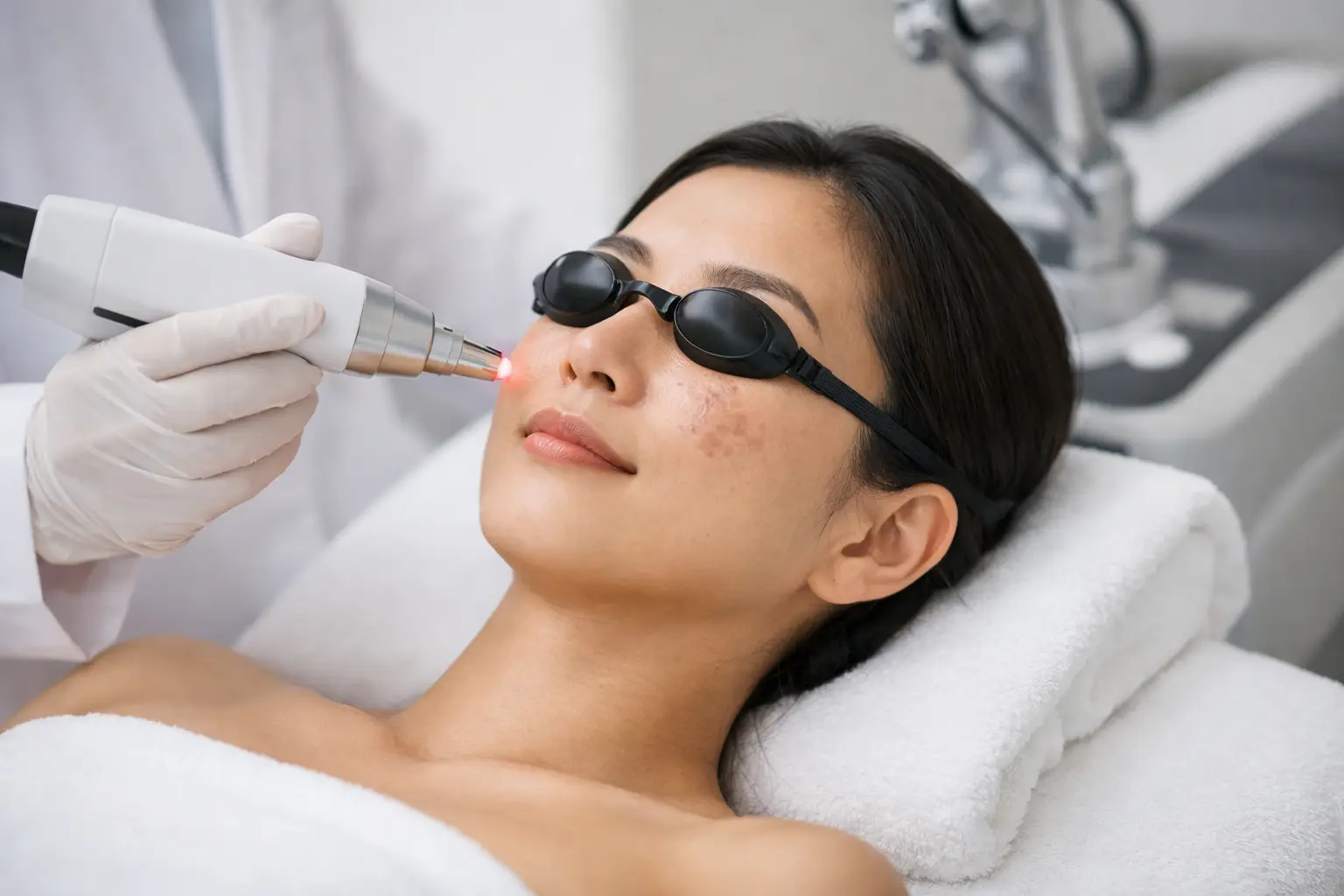
During treatment, a handheld device is placed against the skin and ultrasound energy is delivered in measured lines. Most patients describe the sensation as heat, tingling, or brief zapping discomfort under the skin. Comfort levels vary depending on the area treated and individual sensitivity.
A full session length depends on the treatment area and plan. Afterward, some patients return to work or social activities the same day. Mild redness, tenderness, or temporary swelling can happen, but downtime is generally limited.
This is one reason HIFU remains attractive for working professionals. It fits into a schedule more easily than surgical options and does not usually require a long recovery period. Still, limited downtime does not mean zero aftercare. Your provider may advise you on skin care, sun protection, and what to expect in the days that follow.
When results show up and how long they last
Some patients notice a subtle early tightening effect, but the more meaningful change usually takes time. Because HIFU relies on collagen remodeling, results often become more noticeable over the following weeks and months.
That gradual timeline can be a benefit or a drawback, depending on your expectations. If you want immediate, dramatic lifting for a major event next week, HIFU may not be the right answer. If you want progressive improvement that looks natural and builds over time, it can be a very appealing option.
How long results last depends on age, skin condition, the degree of laxity, and your body’s collagen response. Lifestyle factors also matter. Ongoing aging does not pause after treatment, so maintenance may be recommended. For many patients, HIFU works best as part of a longer-term approach to skin quality and facial support rather than a one-time fix.
The trade-offs patients should understand
This is the part many people appreciate hearing clearly. HIFU can be effective, but it has limits.
If your sagging is mild to moderate, you may see a worthwhile improvement in firmness and contour. If your skin laxity is more severe, the result may be modest. That does not mean the treatment failed. It may simply mean the treatment was asked to do more than non-surgical technology realistically can.
There is also the question of comfort. Some patients tolerate HIFU very well. Others find parts of the session intense, especially in areas with less soft tissue. A well-planned treatment and clear communication help, but comfort is a genuine consideration.
Cost is another factor. While HIFU avoids surgical downtime, it is still an investment, and some patients may need combination treatments or maintenance sessions for best results. The right decision is not just about whether a treatment is popular. It is about whether it matches your anatomy, goals, and timeline.
HIFU versus other non-surgical options
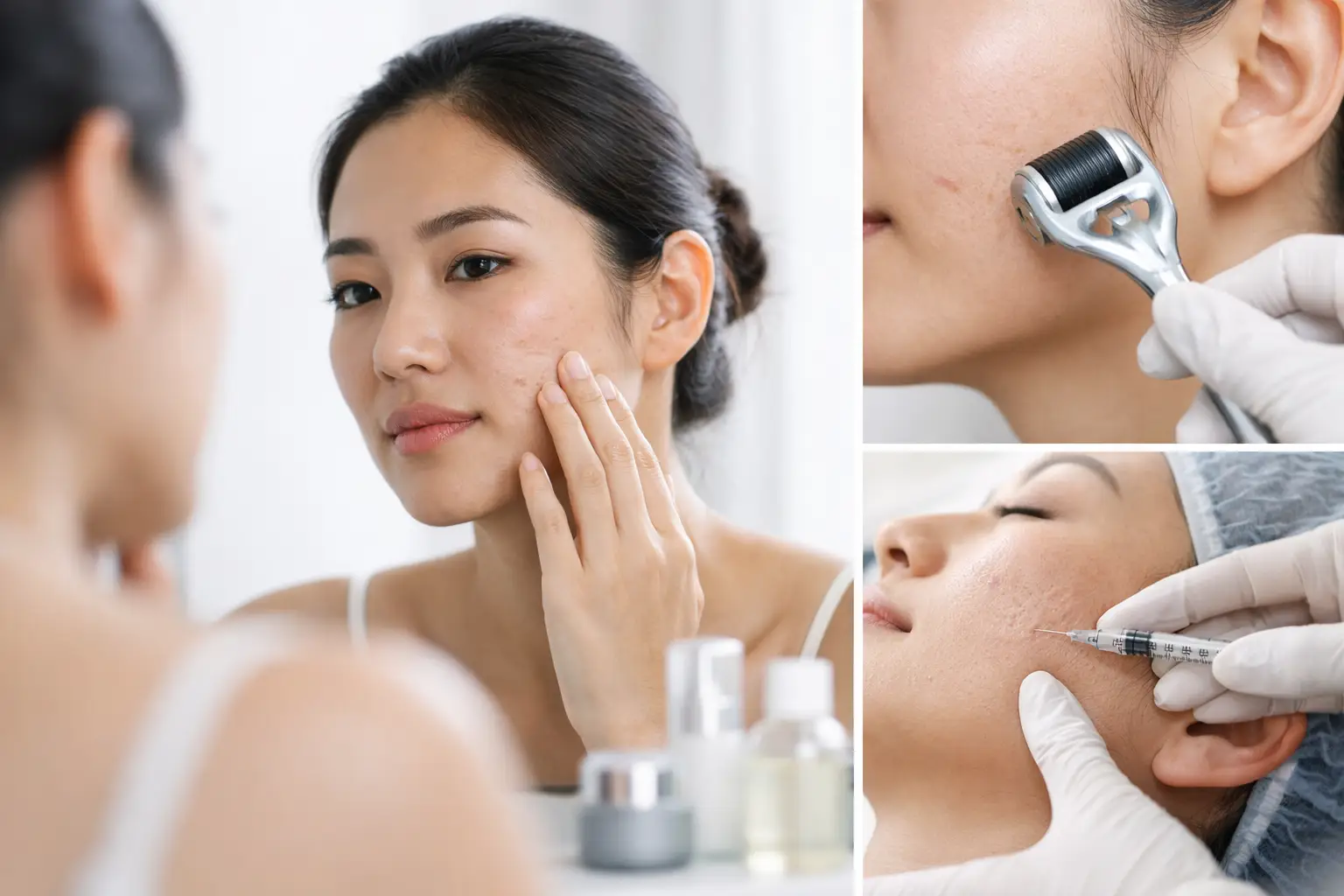
Patients often compare HIFU with radiofrequency, injectables, thread-based lifting approaches, or collagen-stimulating treatments. The best choice depends on what is actually causing the concern.
If the issue is mainly skin laxity, HIFU may be a strong contender because it targets deeper support layers. If volume loss is making the face look deflated, a lifting treatment alone may not create the result you expect. If the skin surface is dull or uneven, resurfacing or rejuvenation treatments may be more relevant.
This is why experienced assessment matters so much. Good aesthetic treatment planning is not about pushing one device for every concern. It is about matching the treatment to the problem with precision.
How to know if it is worth considering
HIFU is worth considering if you want a non-surgical option for early to moderate sagging, prefer gradual natural-looking improvement, and understand that results build over time. It is especially appealing for patients who want a more defined jawline or firmer lower face without interrupting work and social life.
It may be less suitable if you want a dramatic lift, have significant excess skin, or are looking for instant change. In those situations, another treatment pathway may be more appropriate.
At a solution-driven clinic, the real value is not just access to HIFU. It is having your concerns assessed properly so the recommendation is based on what will serve you best, not what sounds trend-forward. When a treatment is selected with care, the result tends to look more natural, more balanced, and more worth the investment.
If your reflection is starting to show softness where you used to see definition, that is often the right moment to get expert guidance. Early treatment planning can open up more non-surgical options and help you choose a path that supports your features with confidence, not guesswork.