Pigmentation rarely looks the same twice. For one person, it shows up as scattered sunspots that catch the light. For another, it sits deeper as patchy melasma or lingering post-acne marks that do not fade as quickly as expected. That is why pico laser for pigmentation has become such a sought-after option – it offers a more targeted way to address uneven tone when skincare alone is not doing enough.
The appeal is not just speed. Patients are often looking for visible improvement with a treatment plan that feels precise, medically guided, and realistic about what skin can achieve. A good pico laser treatment is not about chasing overly aggressive change. It is about choosing the right energy, the right intervals, and the right strategy for your specific type of pigmentation.
What pico laser for pigmentation actually does
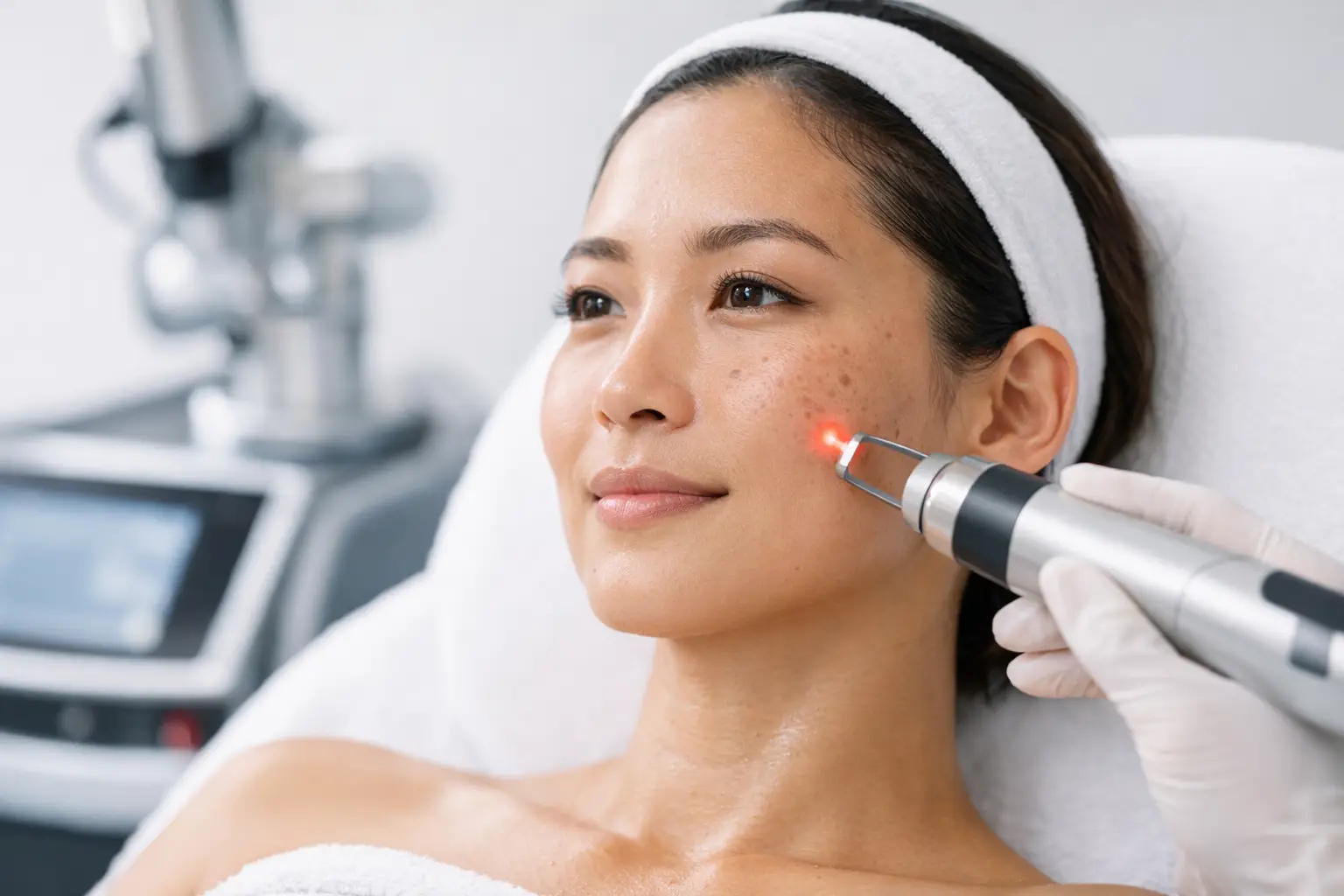
A pico laser delivers ultra-short pulses of energy into the skin. Those pulses are measured in picoseconds, which means the energy is delivered extremely quickly. In practical terms, that speed helps break up pigment particles into much smaller fragments so the body can gradually clear them away.
This matters because pigmentation is not one single condition. Sunspots, freckles, post-inflammatory hyperpigmentation, and melasma can all look similar to the untrained eye, but they behave differently. Some sit more superficially. Some are triggered by inflammation or hormones. Some are stubborn because the pigment keeps getting reactivated.
Pico technology is often chosen because it can target pigment with less reliance on heat than older laser approaches. Less heat can be an advantage, especially for patients who want effective treatment with a gentler recovery profile. That said, gentler does not mean casual. The treatment still needs proper assessment, because using the wrong settings or treating the wrong pigment type can lead to disappointing results.
Who is a good candidate for pico laser for pigmentation
The best candidates are usually patients with clearly diagnosed pigment concerns who want a non-surgical, results-oriented treatment plan. That includes people with sun-induced spots, acne-related discoloration, and certain forms of uneven skin tone that have not improved enough with topical products.
Suitability depends on more than the marks themselves. Your skin tone, history of sensitivity, tendency to develop post-inflammatory pigmentation, and daily sun exposure all affect how well you may respond. If your skin is frequently inflamed, or if the pigmentation is heavily influenced by hormones, treatment may need a more cautious approach.
This is especially true with melasma. Pico laser can help in some cases, but melasma is rarely a one-and-done issue. It often needs a broader plan that may include pigment control skincare, strict sun protection, and maintenance sessions. Patients who do best are usually the ones who understand that improvement is possible, but management matters just as much as treatment.
What concerns respond best
Not every dark mark needs laser first. Some improve well with topical care, chemical peels, or simply time. But pico laser tends to be most useful when the pigmentation is more persistent, cosmetically noticeable, or resistant to skincare.
It is commonly considered for sunspots, age spots, freckles, post-acne pigmentation, and dull, uneven tone caused by scattered excess pigment. In some patients, it is also used as part of an overall skin rejuvenation plan because improving pigmentation can make the complexion look clearer and more refined.
Where expectations need to stay grounded is with mixed pigmentation. If you have redness, textural scarring, active acne, and deeper pigment all at once, one laser session is not going to solve everything. The right plan may involve combining treatments over time rather than relying on a single device to do every job.
What treatment feels like and what to expect after
Most patients describe the sensation as quick snapping or warmth across the treated area. The exact feeling depends on the treatment settings and the size of the area being treated. Sessions are usually fairly efficient, which appeals to busy professionals who want evidence-based care without a major interruption to their schedule.
After treatment, the skin may look pink or slightly flushed. Some pigment spots temporarily darken before they gradually fade. Mild dryness or sensitivity can also happen for a few days. Downtime is often manageable, but that does not mean you should assume zero recovery. Skin still needs gentle care, sun avoidance, and a properly guided post-treatment routine.
Visible change can start after the first session, especially for more superficial spots. But most patients need a series of treatments to see meaningful improvement. Pigmentation that developed over years usually does not disappear in one visit, and any provider who suggests otherwise is oversimplifying the process.
How many sessions are usually needed
This depends on the type and depth of the pigmentation. Superficial sunspots may respond more quickly, while diffuse or deeper pigment often needs multiple treatments spaced out over time. Some patients see good clearing in a few sessions. Others need a longer plan with maintenance.
The more honest answer is that the number of sessions should follow the skin, not a fixed package promise. If the skin is responding well, the treatment can continue at an appropriate pace. If the pigmentation is reactive or recurring, the plan may need adjustment.
That is where personalized consultation matters. A results-oriented clinic will usually look at whether your pigmentation is stable, whether there are triggers that need control, and whether laser is the primary treatment or part of a larger strategy.
Benefits patients often notice beyond pigment reduction
The main goal is clearer, more even-looking skin, but many patients also appreciate the overall refinement that can come with treatment. When scattered pigmentation fades, the skin often appears brighter and fresher, even without makeup.
Some also notice that their complexion looks less tired because discoloration no longer dominates the face. This can make a real difference in confidence, particularly for patients who have spent years trying to cover pigment with concealer or corrector.
That said, the best aesthetic outcomes still look natural. Good treatment does not erase every feature or make the skin look artificially processed. It improves what is distracting while preserving a healthy, believable skin appearance.
When pico laser may not be the first choice
Pico laser is effective, but it is not automatically the answer for every case of pigmentation. If the skin barrier is irritated, acne is active, or the underlying diagnosis is uncertain, it may be wiser to calm the skin first. In some cases, a pigment-focused skincare plan or another in-clinic treatment may be more appropriate before laser starts.
There are also patients whose main issue is not pigmentation at all, but vascular redness or textural irregularity. Treating the wrong concern wastes time and can lead to frustration. This is why careful diagnosis matters more than chasing a trendy treatment name.
For patients prone to recurrence, especially with melasma, long-term management is part of success. Laser can improve the appearance, but maintenance habits determine how well those results hold.
How to get the best results from treatment
The quality of your results depends on more than the laser itself. It depends on whether the treatment plan is tailored, whether the skin is prepared properly, and whether aftercare is taken seriously.
Sun protection is non-negotiable. Freshly treated skin is more vulnerable, and unprotected UV exposure can trigger pigmentation all over again. Skincare also matters. Harsh products, over-exfoliation, or picking at darkened spots after treatment can interfere with recovery.
Equally important is choosing a provider who takes a measured, evidence-based approach. A polished consultation should explain what type of pigmentation you likely have, what degree of improvement is realistic, how many sessions may be needed, and what trade-offs to expect. Confidence in treatment should come from clarity, not exaggerated promises.
At Lynn Medical & Aesthetic Clinic, this is where personalized planning becomes valuable. Patients are not all treated the same way just because they share the word pigmentation. The concern may look similar on the surface, but the treatment pathway should reflect the skin in front of you.
Is it worth it?
If pigmentation is affecting how you feel about your skin, and topical products have plateaued, pico laser can be a worthwhile investment. It offers a precise, non-surgical option for patients who want visible improvement with manageable downtime and a medically guided plan.
Worth, though, depends on expectations. If you want one session and permanent perfection, you may be disappointed. If you want a treatment that can steadily improve uneven tone, support clearer-looking skin, and fit into a broader skin health strategy, it can be an excellent choice.
The most helpful next step is not guessing from photos online. It is having your pigmentation assessed properly so the plan matches the cause, the skin type, and the result you actually want. Clearer skin usually starts with a clear diagnosis.