Acne may be over, but the marks it leaves behind can still shape how your skin looks in bright light, on video calls, and without makeup. That is why pico laser for acne scars has become a treatment many patients ask about – not as a trend, but as a practical option for smoother-looking skin with relatively manageable downtime.
If you are weighing treatment, the right question is not simply whether pico laser works. It is whether it matches your scar type, skin condition, expectations, and comfort level with a series of sessions. Acne scarring is not one single problem, and the best outcomes usually come from a personalized plan rather than one device alone.
How pico laser for acne scars works
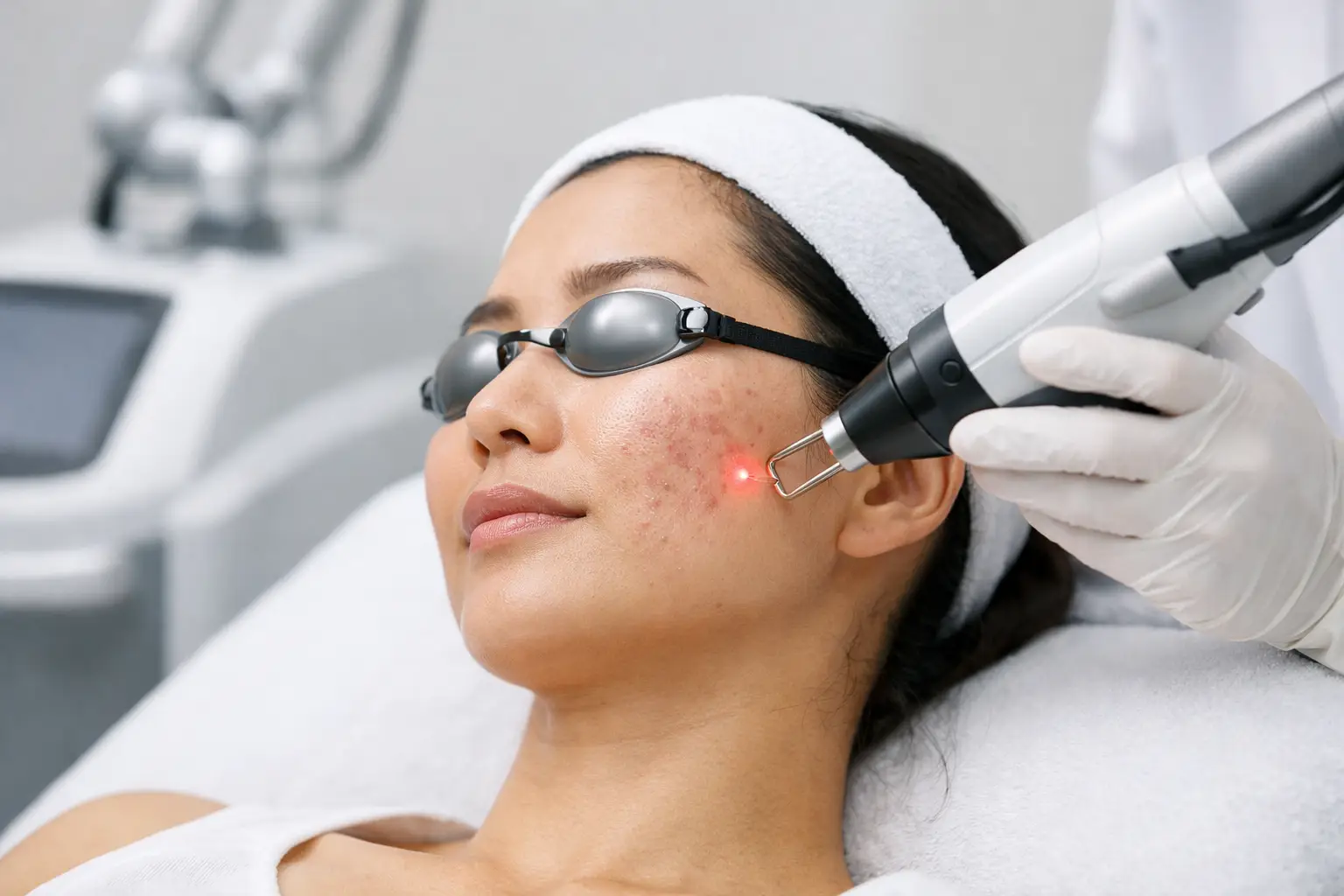
Pico laser delivers energy in ultra-short pulses measured in picoseconds. Those very brief pulses create a photoacoustic effect in the skin, which means the energy is delivered quickly enough to stimulate change without relying only on heat. In acne scar treatment, this can help trigger collagen remodeling and improve the appearance of uneven texture over time.
That matters because acne scars often form when inflammation disrupts normal collagen during healing. The result may be depressed areas, rough texture, and uneven skin surface that topical products cannot meaningfully correct. A laser-based approach aims to encourage the skin to rebuild in a more organized way.
Compared with some traditional resurfacing treatments, pico laser may appeal to patients who want an option that is less aggressive while still being results-oriented. That said, less aggressive does not mean one-and-done. Improvement tends to be gradual, and most people need multiple sessions.
Which acne scars respond best?
Not every scar responds the same way to pico laser for acne scars. In general, shallow atrophic scars, mild textural irregularities, and post-acne skin quality concerns may respond better than very deep, sharply defined scars.
Acne scars are usually grouped into ice pick, boxcar, and rolling scars. Rolling scars and some shallow boxcar scars often improve more readily because the treatment can help soften the edges and stimulate collagen in the surrounding skin. Ice pick scars are narrower and deeper, so they are often more resistant. In those cases, combination treatment may be more appropriate.
This is where a careful assessment makes a real difference. Some patients think they have scarring when they are mainly dealing with post-inflammatory marks or enlarged pores. Others have a mix of redness, pigmentation, and true textural scarring. Each concern behaves differently, and each may need a different strategy.
It is often best for mixed texture concerns
Pico laser can be a strong option when the goal is overall refinement rather than correction of one isolated deep scar. Patients with diffuse uneven texture, mild depressions, and lingering post-acne discoloration often appreciate that broader skin quality improvement.
If your scarring is severe, tethered, or highly uneven, your provider may recommend pairing laser treatment with other modalities rather than relying on one device to do all the work.
What treatment feels like
Most patients describe the sensation as quick snapping or prickling across the skin. A topical numbing cream may be used depending on the device settings and treatment area. The session itself is typically fairly efficient, which suits busy professionals who want effective care without setting aside a full day.
After treatment, the skin may look pink or mildly swollen for a short period. Some patients notice a dry or slightly rough texture as the skin recovers. Downtime varies depending on settings, skin sensitivity, and whether the treatment is focused only on scars or combined with a broader rejuvenation approach.
Visible change is usually not immediate. Collagen remodeling takes time, so results develop progressively over several weeks and continue to build across a treatment series.
How many sessions you may need
This is one of the most common questions, and the honest answer is that it depends. Scar depth, scar type, skin response, and your treatment goals all influence the number of sessions recommended.
For mild acne scarring, a series of around three to five sessions may be discussed. Moderate to more established scarring may require more. Sessions are often spaced several weeks apart to allow the skin time to respond.
Patients who do best with treatment usually understand that improvement is the goal, not perfection. Acne scars can often be softened significantly, but complete removal is not a realistic promise. A results-oriented clinic should be clear about that from the start.
Benefits that make patients consider pico laser
The appeal of pico laser is not only in what it targets, but in how it fits into a modern aesthetic plan. It offers a non-surgical option for patients who want visible improvement in texture without committing to more invasive resurfacing.
Another reason patients ask about it is versatility. Depending on the individual case, the same broader treatment plan may also address post-acne pigmentation or overall skin clarity. For adults who want to improve multiple visible concerns efficiently, that can be a meaningful advantage.
There is also the question of downtime. While every skin response is different, many patients find pico laser easier to fit into work and social schedules than more intensive resurfacing approaches. That does not mean there is zero recovery, but it may be more manageable for those who want a practical path forward.
When pico laser may not be enough on its own
This is the nuance many articles skip. Pico laser can be an excellent tool, but it is still one tool. If scars are deeply tethered under the skin, if there is active acne, or if there is a strong mismatch between expectations and what laser can realistically achieve, another or combined approach may be better.
For example, some depressed scars respond better when released mechanically first, then refined with laser later. Other patients may benefit from skin boosters, chemical peels, or additional texture-focused treatments depending on the pattern of scarring and overall skin quality. The best treatment plans are rarely copied from someone else.
Active breakouts should also be addressed before focusing heavily on scar revision. There is little value in treating old acne scars while new inflammation continues to create new ones.
What to discuss at your consultation
A good consultation should feel specific to your skin, not scripted. Your provider should examine the type of acne scarring you have, review your skin history, and explain whether pico laser is suitable as a standalone treatment or part of a more complete plan.
It helps to discuss how much downtime you can accept, whether you have an upcoming event, and what result would feel worthwhile to you. Someone hoping to look fresher and smoother on camera may have a different endpoint than someone focused on long-standing, deep cheek scarring.
You should also mention any history of skin sensitivity, pigment changes after inflammation, recent aesthetic procedures, or medications that may affect healing. These details shape both safety and treatment strategy.
Setting realistic expectations
The patients happiest with pico laser for acne scars are usually the ones who go in with a clear understanding of the process. Skin texture improves in stages. Some scars soften more than others. Lighting, pore size, oil production, and skin tone can all influence how dramatic the change looks.
Before-and-after photos are useful, but they should be viewed carefully. Results vary from person to person, and what looks subtle in a clinical photo may still feel very meaningful in daily life. A smoother cheek, softer scar edges, or better makeup application can make a noticeable difference in confidence.
At a clinic like Lynn Medical & Aesthetic Clinic, the strongest value is not a single machine. It is the combination of assessment, evidence-based treatment planning, and a personalized approach that matches the procedure to the person.
Is pico laser for acne scars worth it?
For the right candidate, it can be. If you have mild to moderate textural acne scarring, want a non-surgical option, and are prepared for a course of treatment rather than an instant fix, pico laser may be a worthwhile investment in your skin.
If your scars are deeper or more complex, it may still play an important role, but likely as part of a combination plan. That is not a drawback. It is simply how acne scar treatment works when the goal is meaningful improvement rather than oversimplified promises.
The most productive next step is a consultation that looks beyond the device name and focuses on your actual skin. When the plan is tailored well, treatment feels less like guesswork and more like progress.