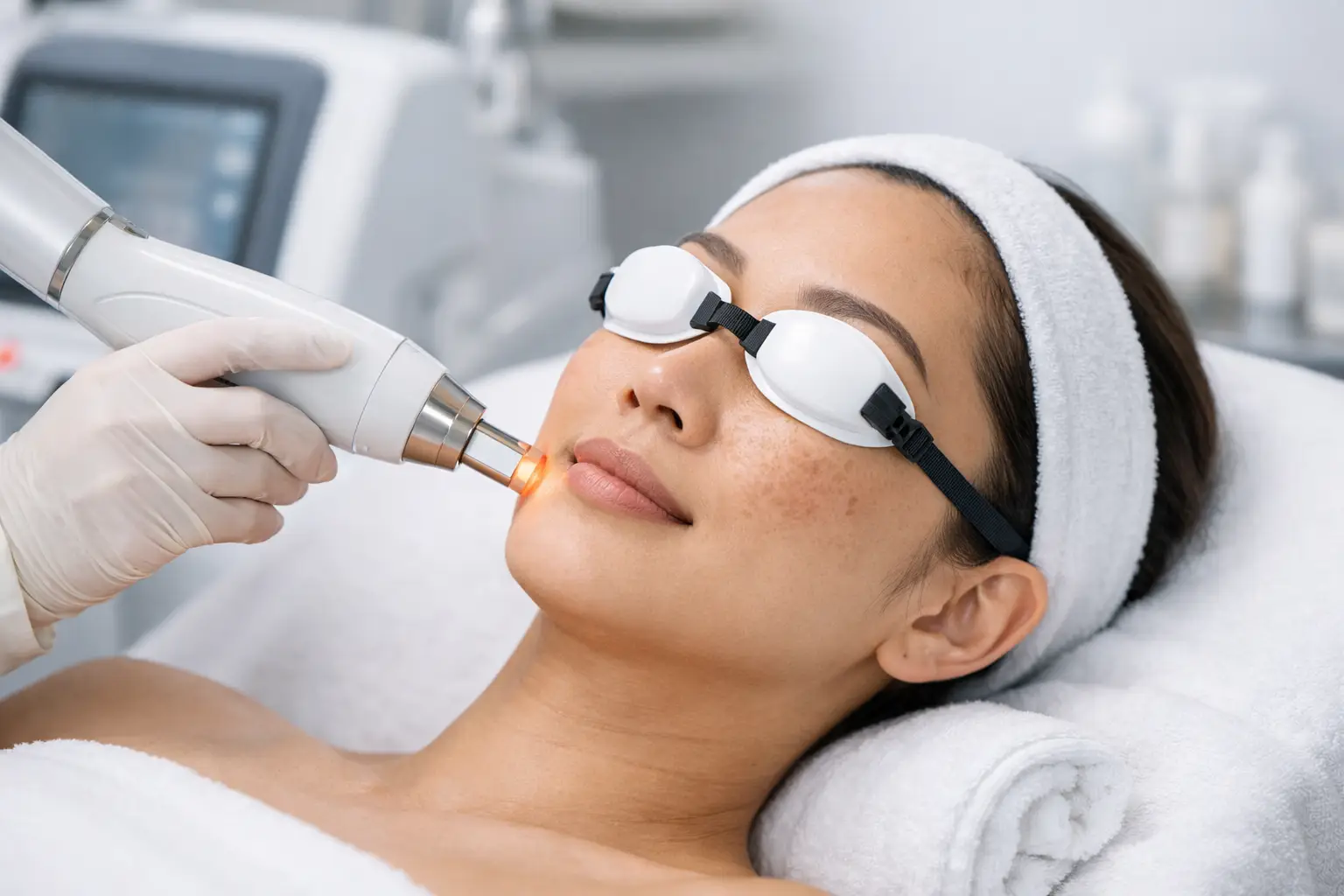
Uneven skin tone has a way of drawing your attention every time you look in the mirror. A patch of melasma across the cheeks, sun spots that linger after summer, or post-acne marks that refuse to fade can make skin look older, duller, or less polished than it really is. That is why pigmentation laser treatment benefits are often discussed in clinic consultations – not as a trend, but as a practical option for patients who want visible improvement with a medically guided, non-surgical approach.
What pigmentation laser treatment is designed to do
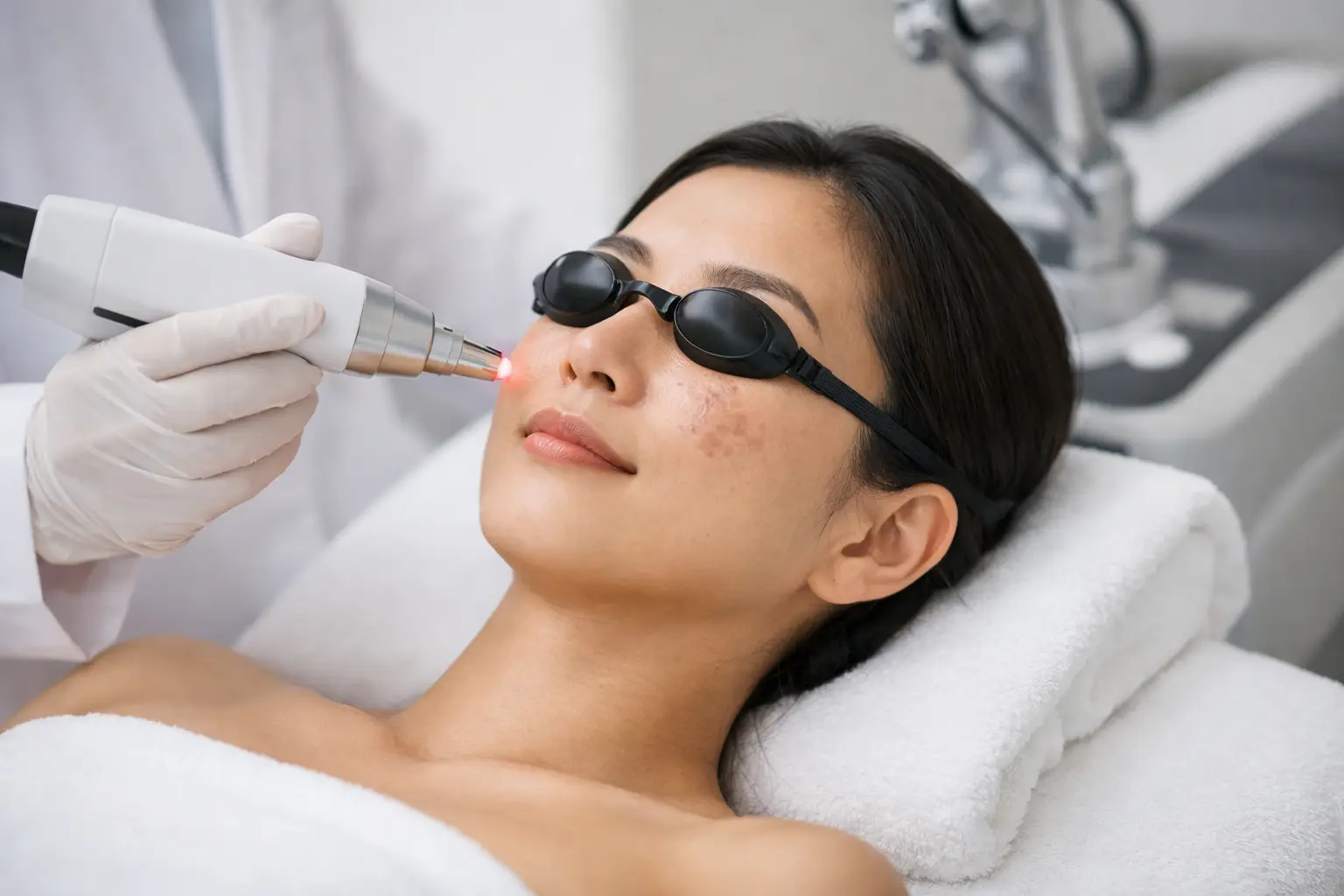
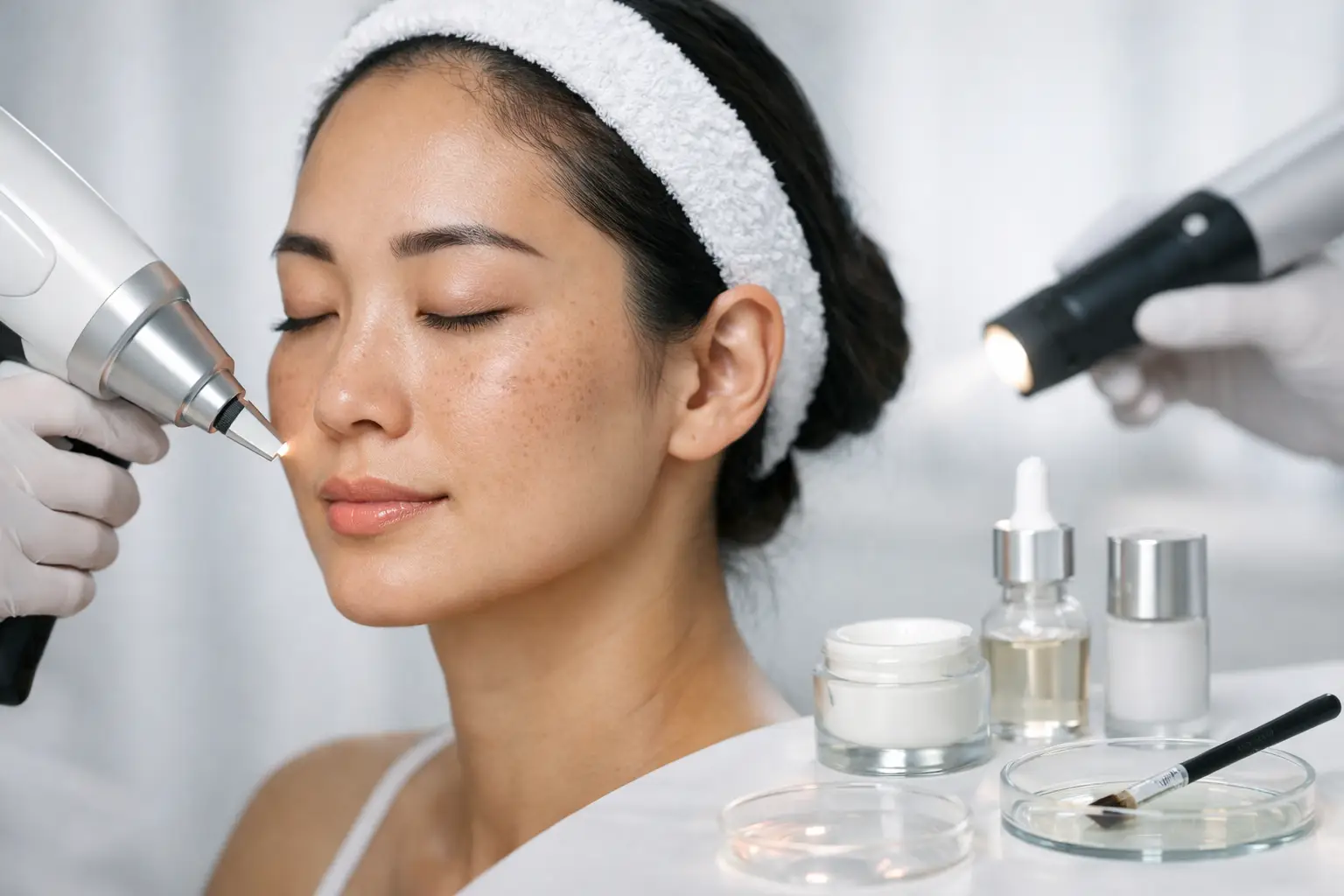
Pigmentation laser treatment targets excess pigment in the skin. Depending on the device used and the nature of the pigmentation, the laser energy is absorbed by melanin, helping to break up concentrated pigment so the body can gradually clear it.
The goal is not simply to “brighten” skin in a vague way. It is to address specific concerns such as freckles, sun spots, age spots, post-inflammatory hyperpigmentation, and in some cases melasma, with a treatment plan that reflects your skin type, sensitivity, and pattern of pigmentation. This is where a personalized assessment matters. Pigmentation is not one condition, and different causes respond differently.
Pigmentation laser treatment benefits for visible skin concerns
One of the main pigmentation laser treatment benefits is that it can directly target the areas that make skin tone look uneven. Topical products can be useful, especially for maintenance, but they often work slowly and may not be enough for deeper or more established discoloration.
For patients with stubborn pigmentation, laser treatment can offer a more focused path to improvement. Brown spots may appear lighter, patchy discoloration can become less obvious, and the overall complexion may look more balanced. The result many patients want is not skin that looks altered or artificial. It is skin that looks clearer, fresher, and more refined.
Another benefit is precision. A well-chosen laser protocol can treat pigment with far more specificity than a one-size-fits-all skincare routine. That makes it especially appealing for patients who are tired of guessing which serum or cream may or may not work.
Why laser can be appealing compared with a product-only approach
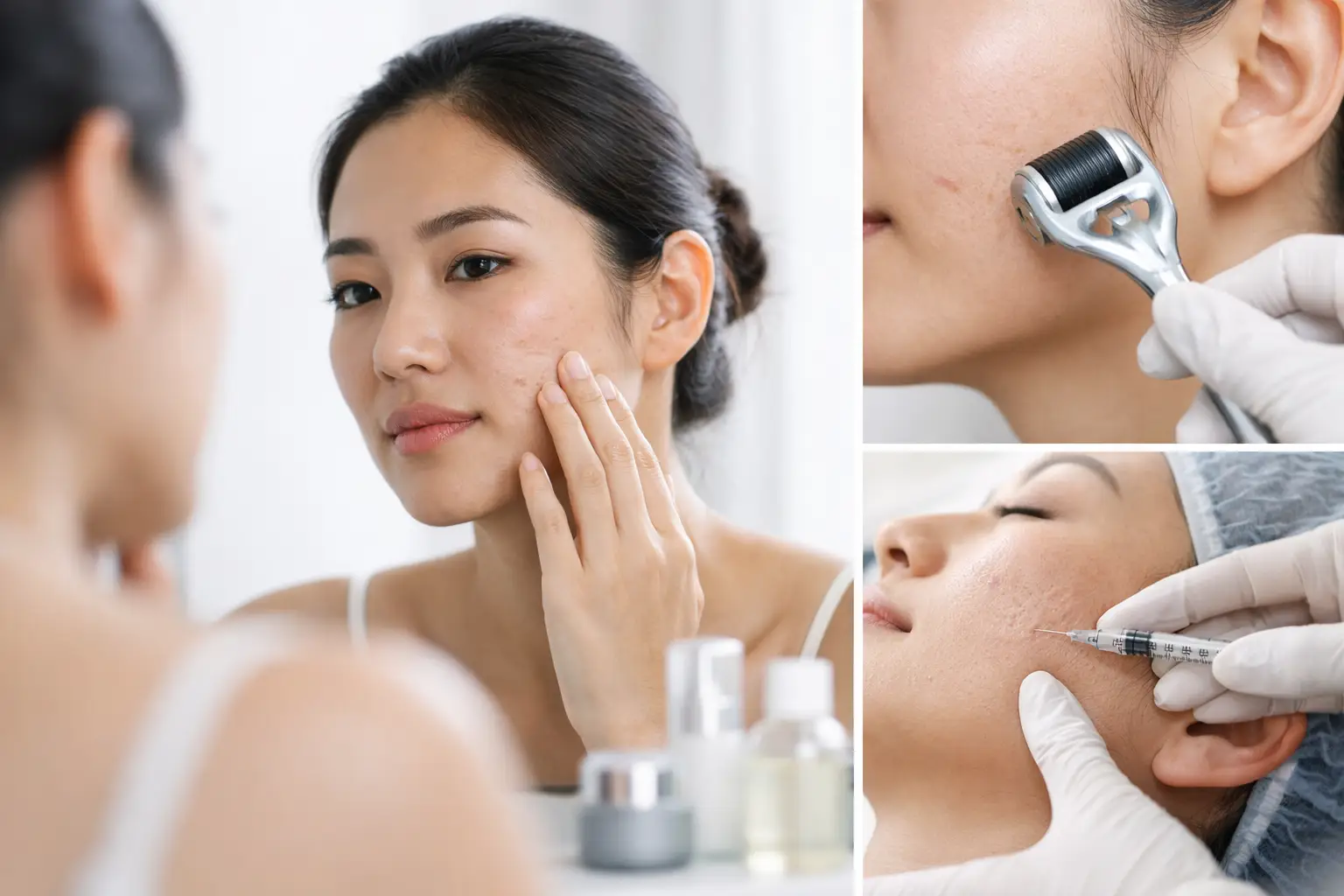
Many patients first try to manage pigmentation with skincare alone. That is a reasonable place to start, but pigmentation can be complex. Some spots sit more superficially, while others are influenced by inflammation, hormones, heat, or ongoing sun exposure.
Laser treatment is often appealing because it is procedure-based, measurable, and guided by an experienced provider. Instead of applying multiple products for months without clarity on whether they are helping, patients can follow a treatment plan built around their skin concern and response over time.
That said, laser is not always a replacement for skincare. In many cases, the best results come from combining in-clinic treatment with the right home care. Pigmentation can improve with laser, but maintaining those results usually depends on daily sun protection and supportive skincare.
Benefits beyond pigment reduction
Patients often come in asking about dark spots, but they leave appreciating secondary improvements as well. Depending on the laser platform used, treatment may also support overall skin rejuvenation. Skin can look brighter, smoother, and more even in texture, not just more even in color.
This matters because pigmentation rarely exists in isolation. A patient may also be noticing dullness, enlarged pores, mild acne marks, or early signs of photoaging. When treatment is chosen carefully, it can support a more rested and refined appearance overall.
There is also an emotional benefit that should not be dismissed. Pigmentation concerns can affect how confident people feel at work, socially, or without makeup. When visible spots begin to fade, many patients feel more comfortable in their own skin. For a results-oriented aesthetic treatment, that confidence shift is often part of the value.
Who may benefit most from pigmentation laser treatment
The best candidates are usually patients with clearly identifiable pigment concerns who want a non-surgical option and have realistic expectations about gradual improvement. This may include adults dealing with sun-induced spots, post-acne discoloration, or uneven tone that has not responded well enough to skincare.
It may also suit busy professionals who want effective treatment without the commitment of a more invasive procedure. Many laser treatments involve limited downtime, although this depends on the device, settings, and individual skin response.
Still, suitability is never universal. Skin tone, pigment depth, history of sensitivity, current skincare use, and the exact type of pigmentation all influence whether laser is the right choice. Melasma, for example, can be more challenging because it may be triggered by heat, hormones, and sun exposure. In those cases, treatment needs to be especially thoughtful, and improvement may require a broader strategy rather than laser alone.
What to expect from the treatment process
A consultation should come first. This is where the skin is assessed closely, your concerns are clarified, and the likely cause of the pigmentation is considered. A results-oriented clinic will not treat every dark mark the same way, because that is how disappointment happens.
During treatment, patients often describe the sensation as mild snapping or warmth on the skin. The session length varies by area, but many appointments are relatively efficient. Afterward, the skin may look pink or feel slightly warm for a short time. Some pigmented spots may darken temporarily before they lighten or flake away, depending on the treatment used.
The number of sessions varies. A few superficial spots may respond well in fewer treatments, while diffuse pigmentation or melasma typically needs a series. This is one of the most important expectation-setting points. Laser can produce meaningful improvement, but the process is often progressive rather than instant.
The trade-offs patients should understand
A good consultation does not frame laser as magic. It explains the benefits clearly, along with the limits.
First, results depend on the type of pigmentation. Sun spots usually respond differently from melasma. Post-inflammatory pigmentation after acne may improve well, but new breakouts can lead to new marks if the underlying acne is not controlled.
Second, maintenance matters. Even excellent laser results can be undermined by ongoing UV exposure or inconsistent aftercare. If a patient is not prepared to wear sunscreen daily, recurring pigmentation becomes more likely.
Third, there can be temporary downtime. While many treatments are considered low downtime, that does not mean no recovery at all. Mild redness, dryness, darkening of treated spots, or transient sensitivity may occur. For most patients, these effects are manageable, but they should still be part of the decision.
Why personalization matters in pigmentation treatment
One of the biggest reasons patients see different outcomes from laser is that pigmentation is often oversimplified. Two people may both say they have dark spots, but one may have sun damage while the other has hormonally influenced melasma. Treating both with the same protocol is not a results-driven approach.
This is why evidence-based aesthetic care matters. The device selection, treatment intensity, spacing between sessions, and supporting skincare should all reflect the patient in front of you. In a clinic setting focused on trust, safety, and excellence, the plan should be shaped around your skin rather than forced into a preset package.
At Lynn Medical & Aesthetic Clinic, that personalized mindset is central to how treatment decisions are made. For patients who want visible improvement without surgery, a well-structured plan can make the process feel clearer and more reassuring from the start.
How to support better results after treatment
Post-treatment care is part of the outcome, not an afterthought. Sun protection is essential. If pigment was triggered or worsened by UV exposure in the first place, protecting the skin afterward helps preserve the improvement you worked for.
Gentle skincare is also important in the days following treatment. Over-exfoliating or using irritating active ingredients too soon can stress the skin and work against recovery. Your provider may also recommend a maintenance approach to help reduce the risk of recurrence, especially if your pigmentation has a known tendency to return.
For patients with acne-related marks, it may also be worth addressing the acne itself. For patients with melasma tendencies, long-term management is often more realistic than expecting a once-and-done fix. Better outcomes usually come from consistency, not chasing quick answers.
Is it worth it?
For many patients, yes – especially when pigmentation is affecting confidence and skincare alone has not delivered enough improvement. The value of laser lies in targeted treatment, clinically guided planning, and the potential for clearer, more even-looking skin without surgery.
The right question is not whether laser is universally worth it. It is whether it is appropriate for your type of pigmentation, your skin, and your expectations. When those pieces align, the treatment can be a strong option for patients who want visible change in a way that feels professional, personalized, and grounded in real aesthetic goals.
Clearer skin tone can shift more than your reflection. It can change how much effort it takes to feel comfortable leaving the house, going makeup-light, or simply seeing your skin as balanced again. That is often where the real benefit begins.