Clinic Botox revitalizes your appearance by temporarily relaxing the specific facial muscles responsible for deep expression lines. By blocking the nerve signals that tell these muscles to contract, the overlying skin gets a break from constant folding. Over a few days, this allows the skin to smooth out, reducing the appearance of dynamic wrinkles—the lines that form when you smile, frown, or raise your eyebrows.
If you are considering getting this treatment, knowing the mechanics, what happens at the clinic, and how to manage the aftercare will help you get the best possible outcome. Here is a practical look at everything involved in the process.
To understand how Botox smooths the skin, it helps to look at the biology of your facial movements and how the medication interacts with your nervous system.
The Science Behind the Smoothing
Botox is a brand name for a purified protein called botulinum toxin type A. Your body uses a neurotransmitter called acetylcholine to send messages from your nerves to your muscles, telling them to move. When a clinician injects Botox into a targeted muscle, the protein binds to the nerve endings and blocks the release of acetylcholine.
Without that chemical signal, the muscle simply stays at rest. Because the muscle isn’t constantly contracting and folding the skin above it, existing lines soften, and new lines are prevented from forming. The binding process is temporary. Over three to four months, your body naturally grows new nerve endings, and muscle function gradually returns to normal.
Understanding Dynamic vs. Static Wrinkles
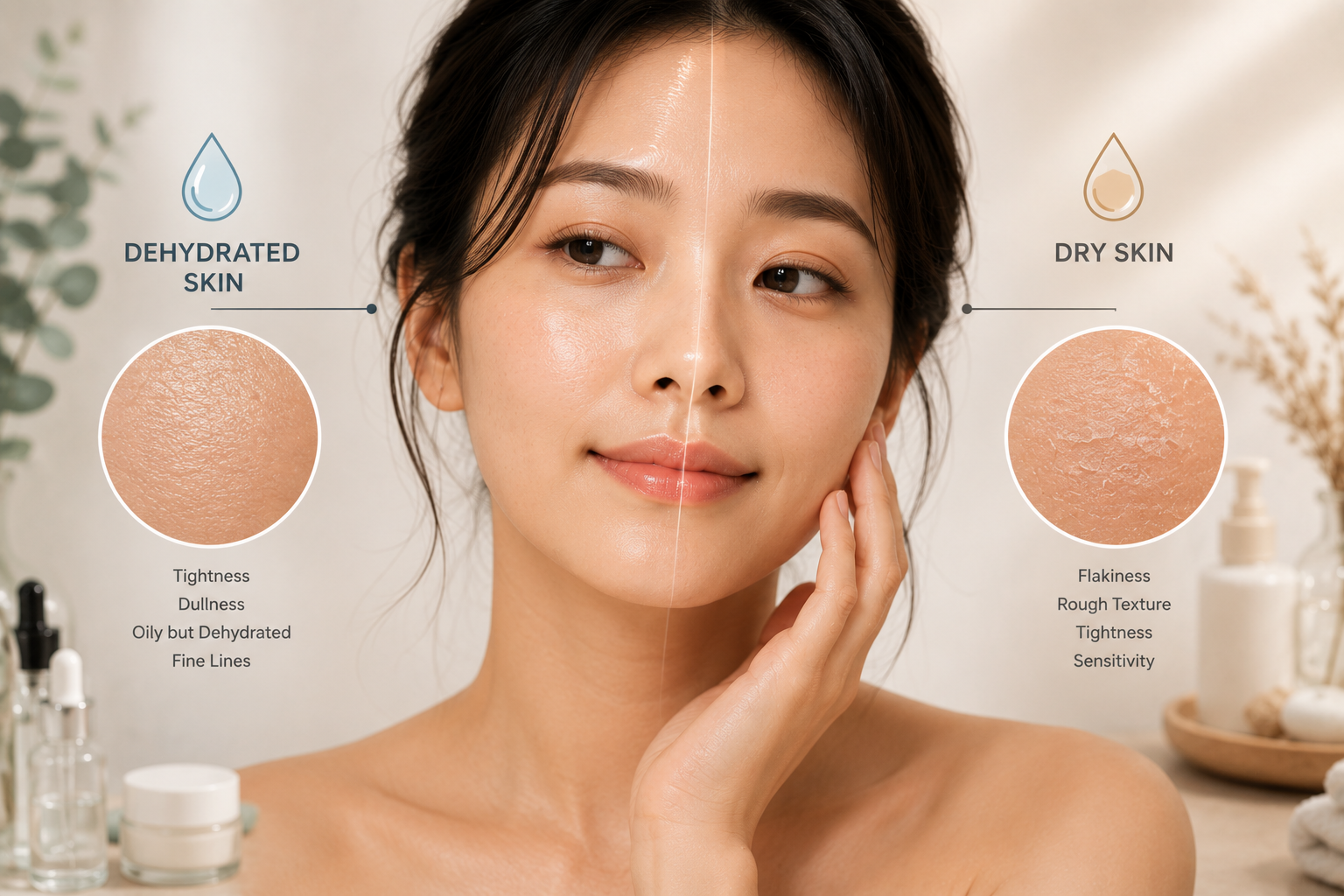
It is important to manage expectations regarding what neurotoxins can actually fix. Botox is highly effective on dynamic wrinkles. These are the lines that appear only when your face is in motion, like when you squint or look surprised.
Static wrinkles, on the other hand, are the deep creases that remain visible even when your face is completely at rest. While relaxing the muscle with Botox can soften static wrinkles over time by preventing them from getting worse, it usually will not erase them entirely. In these cases, clinicians often use Botox in combination with dermal fillers, which physically restore lost volume beneath the skin.
Alternative Neurotoxin Brands
While Botox is the most recognized name, you will likely see other brands at a medical clinic, such as Dysport, Xeomin, or Jeuveau. They all utilize botulinum toxin type A but have slight variations in their manufacturing processes and carrier proteins.
For instance, Dysport tends to spread a bit further from the injection site, making it useful for larger areas like the forehead. Xeomin is uniquely formulated without complex proteins, which can be a good option for people who have developed an anti-body resistance to traditional Botox. Your clinician will help you choose the right one based on your muscle mass and treatment goals.
If you’re interested in exploring more about skin treatments, you might find this article on understanding skin pigmentation, its causes, and cures with Pico laser particularly insightful. It provides a comprehensive overview of how advanced laser technology can address various skin concerns, complementing the benefits of clinic Botox treatments. You can read the article here: Understanding Skin Pigmentation: Causes and Cures with Pico Laser.
Navigating the Clinic Consultation and Procedure
A visit to the clinic for neurotoxin injections is usually quick, often taking less than 30 minutes from start to finish. However, the exact process requires precision and careful planning.
The Initial Facial Mapping
Before a single needle is prepped, a qualified provider will conduct a thorough consultation. They will ask about your medical history, any medications you are taking, and your specific aesthetic goals.
Next, they will perform facial mapping. The injector will ask you to make various exaggerated expressions—frowning deeply, raising your eyebrows as high as possible, and smiling widely. This allows them to see exactly how your specific muscles pull and where your dynamic lines form. Because no face is perfectly symmetrical, a good clinician will often adjust the dosage for different sides of your face to ensure a balanced, natural result.
The Injection Process
Once the mapping is complete, the clinician will clean your skin with an antiseptic wipe. Some clinics offer a topical numbing cream or a small ice pack to minimize discomfort, though many patients find the procedure tolerable without it.
The needles used for these injections are incredibly thin—usually a 31-gauge or 32-gauge needle, which is roughly the thickness of a few human hairs. You will feel a quick pinch as the needle enters the skin, followed by a minor stinging sensation as the fluid is injected. The entire injection phase usually lasts less than five minutes. Afterward, you might have tiny, mosquito-bite-like bumps at the injection sites, but these typically resolve within 15 to 30 minutes.
Key Targeted Areas: Where It Makes the Most Impact
While neurotoxins can be used on various parts of the face and neck, they are predominantly utilized in the upper third of the face. Here is a breakdown of the most common treatment zones and the muscles involved.
Glabella Lines (The “11s”)
The glabella is the smooth part of the forehead above and between the eyebrows. When you concentrate, squint, or feel angry, the procerus and corrugator muscles pull the tissue inward and downward. Over time, this creates vertical lines often referred to as “the 11s.”
Treating the glabella is one of the most common requests in aesthetic clinics. By relaxing these heavy puller muscles, the area opens up, making you look more rested and approachable, rather than unintentionally stern.
Forehead Lines and Creases
Horizontal forehead lines are caused by the frontalis muscle, which contracts every time you raise your eyebrows. Treating this area requires careful clinical judgment.
The frontalis is the only muscle responsible for lifting the brow. If a clinician uses too much Botox here, or injects it too low on the forehead, it can result in a heavy, lowered brow that makes the eyes look tired. The goal is to use just enough product to soften the horizontal creases while still allowing for natural eyebrow elevation and expression.
Crow’s Feet Around the Eyes
Crow’s feet are the prominent wrinkles that branch out from the outer corners of the eyes. They are caused by the orbicularis oculi, a circular muscle that closes the eyelids and contracts when you squint or smile.
Injecting small amounts of neurotoxin into the outer edges of this muscle relaxes the tension, significantly smoothing the skin around the eyes. A careful injection pattern here can also provide a subtle, non-surgical “brow lift” by relaxing the part of the muscle that pulls the tail of the eyebrow downward.
Lower Face and Off-Label Uses
While less common, neurotoxins are frequently used in the lower face by experienced injectors. Injecting the masseter muscles at the back of the jaw can relieve teeth-grinding (bruxism) and visibly slim a wide lower face.
Another popular technique is the “lip flip,” where tiny amounts of Botox are placed above the upper lip. This relaxes the muscle just enough to let the top lip roll slightly outward, creating the illusion of a fuller lip without using dermal fillers.
The Timeline of Results and Aftercare Rules
Unlike dermal fillers, which offer instant gratification, neurotoxins require patience. How you treat your face in the hours following your appointment can directly impact your results.
Critical Aftercare for the First 24 Hours
Immediately after your treatment, the liquid product is sitting in the targeted muscles, and it takes time to bind to the nerve receptors. To prevent the Botox from migrating to unintended muscles, clinicians enforce strict aftercare rules.
For the first four hours, you must remain upright—no lying down on the couch or taking a nap. You should also avoid bending over for long periods. For the first 24 hours, do not rub or massage your face, skip any tight-fitting headwear like tight baseball caps, and avoid intense cardiovascular exercise. Increased blood flow and heat from working out can metabolize the product faster or cause it to spread, leading to uneven results.
When Will You See Changes?
You will walk out of the clinic looking exactly the same as when you walked in. It typically takes between three to five days to start noticing a stiffening sensation or a reduction in movement.
The product is doing its work on a microscopic level. By day seven, you will see a noticeable smoothing effect, but it takes a full 14 days for the Botox to reach its maximum clinical efficacy. Most clinics ask patients to wait exactly two weeks before deciding if they need a touch-up.
How Long Does It Last?
On average, the results from a Botox treatment will last between three and four months. As your body generates new nerve terminals, muscle movement will gradually return.
Longevity varies from person to person. People with highly active metabolisms or those who engage in intense daily workouts often find their results wear off closer to the three-month mark. Conversely, patients who have been getting consistent treatments for years sometimes experience a slight atrophy in the treated muscles, allowing them to stretch their appointments to four or five months.
If you’re considering enhancing your appearance with clinic Botox, you might also be interested in exploring the benefits of deep hydration treatments. These treatments can complement your Botox results by providing your skin with a radiant and youthful glow. For more information on how to achieve that festive glow, check out this insightful article on deep hydration treatments.
Side Effects, Safety, and Choosing a Provider
| Month | Number of Botox Procedures | Customer Satisfaction Rate |
|---|---|---|
| January | 120 | 90% |
| February | 150 | 85% |
| March | 130 | 88% |
Botox has a long, established safety profile when administered by a trained medical professional. However, it is an invasive procedure and carries inherent, albeit minor, risks.
Anticipating Common Physical Reactions
The most common side effect is localized bruising at the injection site. The face is covered in a dense network of tiny blood vessels, and if the needle nicks one, a small bruise will form. To minimize this risk, clinics recommend avoiding blood-thinning agents like ibuprofen, aspirin, fish oil, and alcohol for 48 hours before your appointment.
Some patients also experience a mild headache later in the day following their injections. This is a common, short-lived reaction to the needle trauma and the muscle’s initial response to the medication. It usually resolves within 24 hours with over-the-counter pain relief.
The Risk of Migration and Drooping
A less common but more frustrating side effect is ptosis, or eyelid drooping. This happens when the neurotoxin migrates from the intended injection site (usually the glabella or lower forehead) into the levator palpebrae superioris muscle, which holds the upper eyelid open.
If this muscle becomes relaxed, the eyelid feels heavy and droops. While temporary, ptosis can last for several weeks. It is exclusively caused by either poor injection technique or failure to follow post-care instructions. If this happens, your clinician can prescribe special eye drops, such as Upneeq or apraclonidine, which stimulate a different muscle to lift the eyelid until the Botox wears off.
Vetting Your Injector and Clinic
Because the margin for error on the face is so small, credentials matter. Look for a clinic staffed by registered nurses (RN, NP), physician assistants (PA), or doctors (MD, DO) who specialize in facial anatomy.
During your consultation, ask about their specific training in aesthetics and roughly how many treatments they perform a week. Reputable clinics will gladly share their portfolio of before-and-after photos, clearly explain the risks, and never pressure you into buying more units than you are comfortable with.
Understanding Costs and Long-Term Maintenance
Maintaining a wrinkle-free look is an ongoing financial commitment. Understanding how clinics price their services will help you budget accurately.
Breaking Down the Price per Unit
Most medical clinics price Botox by the “unit,” which is a standardized measurement of the medication’s biological activity. Depending on your geographic location and the experience level of the injector, prices generally range from $10 to $20 per unit.
Different areas of the face require different amounts of product. A typical treatment for the heavy muscles in the glabella (the 11s) usually takes 15 to 25 units. The forehead might take 10 to 15 units, and treating crow’s feet on both sides typically requires 10 inside up to 24 units in total. Consequently, treating the full upper face usually requires anywhere from 40 to 60 units.
Pricing by Area vs. Area Tolerance
Some clinics offer “per area” pricing instead. This means you pay a flat rate to treat your forehead, regardless of how many units it takes. While this can seem convenient, unit-based pricing is generally more transparent, as you only pay for exactly the amount of medication your specific muscle mass requires.
A rare but real issue in long-term maintenance is neurotoxin resistance. Over years of repeated use, some patients develop neutralizing antibodies that make standard Botox less effective, resulting in shorter durations or less dramatic smoothing. If you notice your usual dose isn’t lasting as long as it used to, your clinician can switch your treatment to a “naked” neurotoxin like Xeomin, which lacks the complex proteins that typically trigger antibody resistance.
Planning Your Follow-Up Schedule
Consistency is the most practical way to maintain your results. Most patients pre-book their appointments every three to four months.
If you allow the botox to wear off completely and wait for your muscles to regain full strength before your next visit, you are essentially starting from scratch each time. Catching the muscle as the movement is just beginning to return keeps the tissue weak, preventing the deep static creases from gaining a foothold and maintaining a smooth, revitalized look year-round.