Skin pigmentation is a common dermatological concern, particularly in regions with high levels of year-round ultraviolet (UV) radiation, such as Singapore. While pigmentation is a natural biological process, uneven distribution of pigment can lead to concerns regarding skin tone and texture. The management of pigmentation is a medically guided process that requires a thorough understanding of the skin’s anatomy, the underlying causes of the condition, and the appropriate selection of clinical interventions.
This article serves as an educational guide on the biological mechanisms of skin pigmentation, the various conditions that manifest on the skin, and the medical-grade aesthetic treatments available. All information provided is for educational purposes and is designed to help individuals understand their options before engaging in a consultation with a qualified medical professional.
To comprehend how aesthetic treatments address uneven skin tone, it is essential to first understand the biology of the skin and the mechanisms that produce pigment.
The Role of Melanin and Melanocytes
Skin colour is primarily determined by a pigment known as melanin. Melanin is produced by specialized cells called melanocytes, which are located at the basal layer of the epidermis (the outermost layer of the skin). The production of melanin, a process known as melanogenesis, is typically a protective response to ultraviolet radiation. The pigment absorbs UV rays, helping to shield the DNA within skin cells from potential photodamage. However, when melanocytes become overactive due to external or internal triggers, they may produce excess melanin. This excess pigment can accumulate in concentrated areas, leading to visible dark spots or patches on the skin.
Common Types of Pigmentation Disorders
Hyperpigmentation is a broad medical term that encompasses several distinct conditions. An accurate understanding of these types is crucial, as the required management strategy may differ significantly depending on the diagnosis.
Ephelides (Freckles): These are small, flat, light brown marks that frequently appear on sun-exposed areas such as the face, shoulders, and arms. They are most commonly seen in individuals with a genetic predisposition and lighter skin types, often darkening during periods of increased sun exposure and fading when UV exposure is minimized.
Solar Lentigines (Sunspots or Age Spots): Unlike freckles, solar lentigines are generally larger, defined pigmented spots associated with chronic, cumulative sun exposure rather than acute sunburns. They are prevalent in mature skin because the accumulated UV damage over decades causes a localized proliferation of melanocytes.
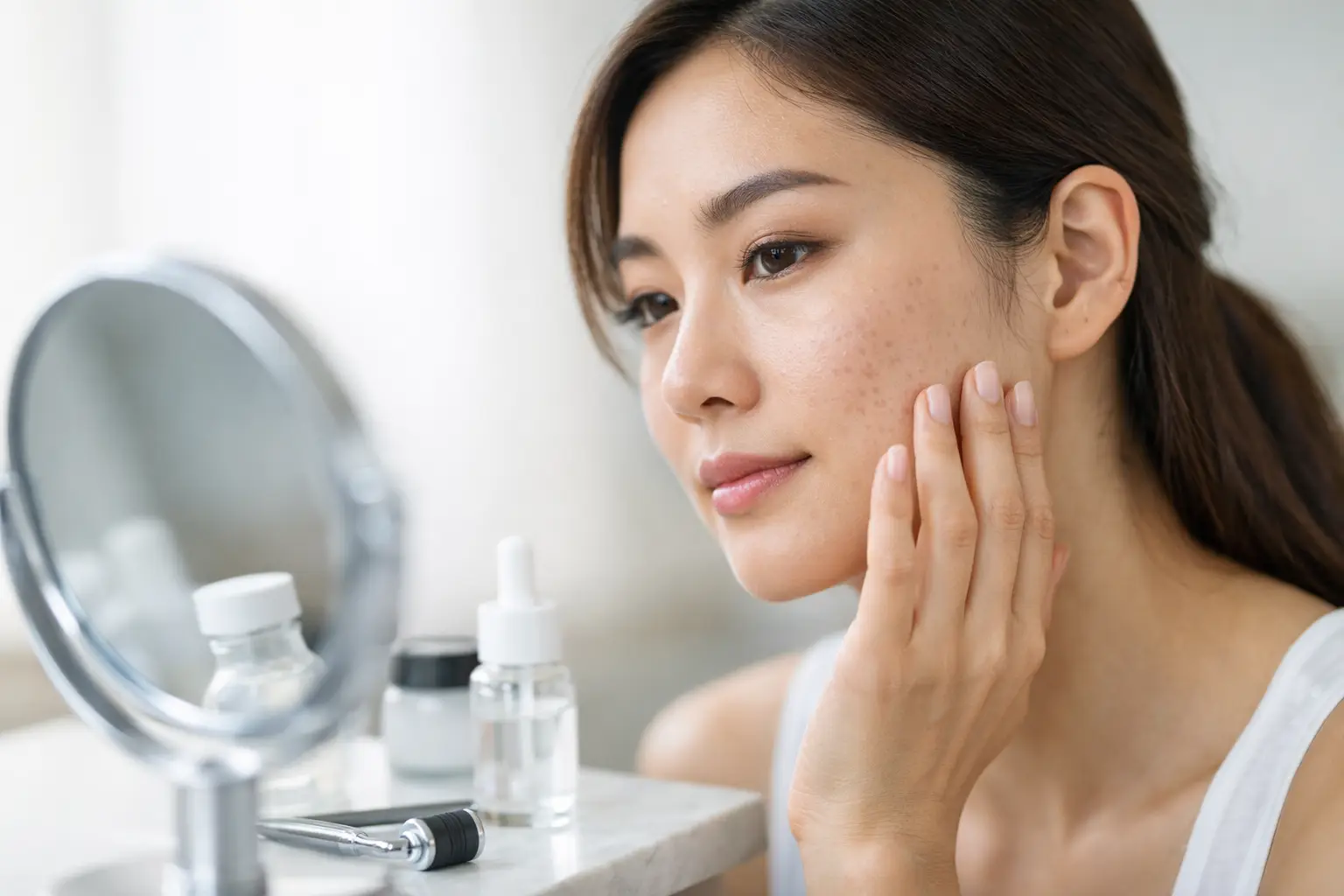
Melasma: Melasma presents as larger, irregular patches of brownish or greyish pigmentation, typically distributed symmetrically across the central face, cheeks, forehead, and upper lip. It is heavily influenced by a combination of hormonal fluctuations, genetic susceptibility, and sun exposure. Melasma is widely considered a chronic condition, meaning that it requires ongoing management rather than a single curative treatment.
Post-Inflammatory Hyperpigmentation (PIH): PIH is a secondary form of pigmentation that occurs following trauma or inflammation to the skin. Conditions such as severe acne vulgaris, eczema, burns, or even overly aggressive cosmetic procedures can trigger an inflammatory cascade. As part of the healing process, melanocytes may overproduce pigment, leaving behind marks long after the initial injury or inflammation has resolved.
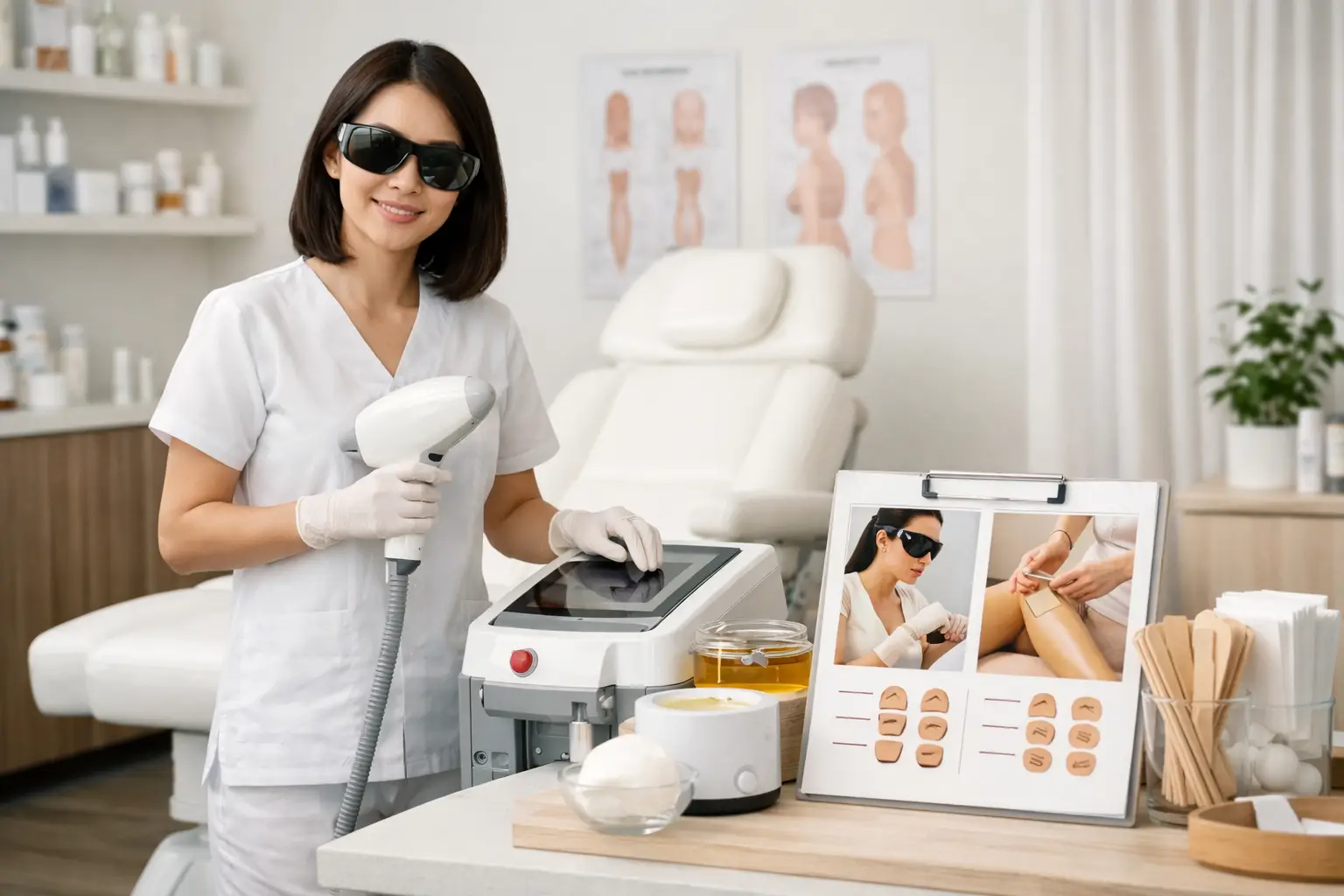
For those interested in aesthetic treatments for pigmentation, you may find valuable insights in a related article that discusses smooth and fuss-free hair removal options. This article explores various techniques and their effectiveness, which can complement pigmentation treatments by ensuring an even skin tone. To learn more about these hair removal methods, visit the article here: Smooth Fuss-Free Hair Removal Treatment.
Factors Contributing to Pigmentation
The development of hyperpigmentation is rarely due to a single isolated cause. It is usually the result of multiple compounding factors that compromise the skin’s natural regulatory mechanisms.
Ultraviolet (UV) Radiation
UV radiation from the sun is the most significant exogenous (external) trigger for melanogenesis. Both UVA and UVB rays penetrate the skin, inducing an inflammatory response and generating reactive oxygen species (free radicals). This oxidative stress signals the melanocytes to increase tyrosinase—an essential enzyme in the production of melanin. Regular, unprotected exposure to UV radiation not only worsens existing pigmentation but also precipitates the formation of new lesions.
Hormonal Influences
Endogenous (internal) factors, particularly hormonal changes, play a critical role in conditions like melasma. Fluctuations in oestrogen and progesterone levels can directly stimulate melanocytes. This is frequently observed during pregnancy (sometimes colloquially referred to as “the mask of pregnancy”), or with the use of oral contraceptives and hormone replacement therapies.
Cutaneous Inflammation and Skin Trauma
When the skin barrier is compromised, chemical messengers known as cytokines are released to mediate the natural wound-healing response. Unfortunately, these inflammatory mediators can also stimulate the melanocytes. The intensity of post-inflammatory hyperpigmentation often correlates with the severity of the initial inflammation. Darker skin phototypes are generally more susceptible to profound and persistent PIH compared to lighter skin types.
Genetic Predisposition and Chronological Ageing
Genetics dictate an individual’s baseline skin phototype and their inherent susceptibility to certain pigmentation disorders. Concurrently, as the skin ages chronologically, cellular turnover slows down. This gradual decline in epidermal renewal means that melanin naturally accumulates over time, and the skin becomes less efficient at shedding pigmented, damaged cells. Additionally, years of microscopic sun damage accumulate and manifest visibly in later decades.
Diagnostic Considerations for Skin Pigmentation
Pigmentation disorders can appear visually similar to the untrained eye, making professional medical diagnosis an essential first step before any aesthetic intervention is initiated.
Clinical Assessment by Medical Professionals
During a medical consultation, a physician will typically perform a comprehensive clinical assessment. This includes taking a detailed medical history to identify potential contraindications, current medications (especially those that may cause photosensitivity), and a review of daily skincare regimens. A visual examination allows the doctor to assess the distribution, pattern, and color of the pigmented lesions.
Epidermal Versus Dermal Pigmentation
One of the most critical aspects of the diagnosis involves determining the depth of the pigment.
- Epidermal pigmentation: The melanin is situated superficially in the top layers of the skin. It often has well-defined borders and responds relatively well to topical formulations and lighter exfoliating treatments.
- Dermal pigmentation: The melanin has dropped into the deeper dermal layer. These lesions usually appear lighter, have ill-defined borders, and are physically out of reach for superficial treatments, necessitating the use of deeper-penetrating modalities such as specific laser wavelengths.
- Mixed pigmentation: Many conditions, particularly chronic melasma, feature a combination of both epidermal and dermal melanin, requiring a multi-modal treatment approach.
Aesthetic Medical Treatments for Pigmentation
Modern aesthetic medicine offers a variety of treatment modalities designed to target excess melanin. It is important to note that results vary between individuals, and treatments may help improve the appearance of the skin but are rarely permanent cures. Medical professionals typically recommend a customized combination of therapies.
Topical Medical Formulations
The first line of management often involves the application of scientifically formulated topical agents. These are designed to interfere with the chemical pathways of melanin production, most commonly by inhibiting the tyrosinase enzyme. Generic active ingredients such as hydroquinone, cysteamine, kojic acid, tranexamic acid, and retinoids may be prescribed. Retinoids also assist by accelerating cellular turnover, helping the skin to shed superficially pigmented cells more rapidly. Patient compliance is paramount, as topical treatments require consistent, long-term application to yield visible improvements.
Dermal Chemical Peels
Chemical peels involve the controlled application of acid solutions—such as alpha-hydroxy acids (e.g., glycolic acid or lactic acid) or beta-hydroxy acids (e.g., salicylic acid)—to the skin surface. The purpose of this treatment is to lower the skin’s pH, breaking the bonds between dead skin cells and forcing exfoliation. By purposefully inducing a controlled chemical exfoliation, the body is stimulated to generate new, more evenly pigmented skin cells. Peels are formulated at various depths (superficial, medium, or deep) and the appropriate depth is determined by the specific skin condition and patient tolerance.
Energy-Based Skin Treatments
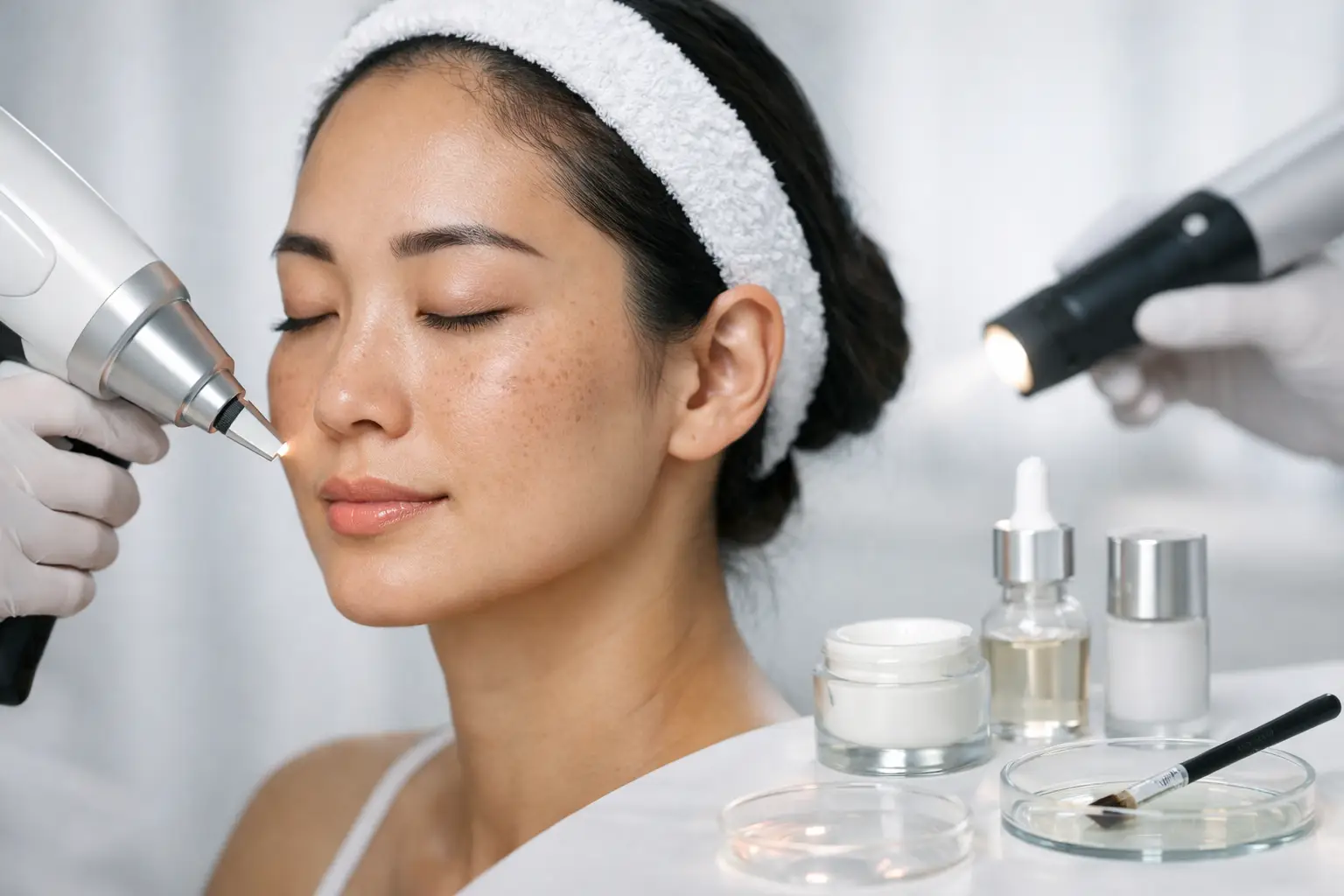
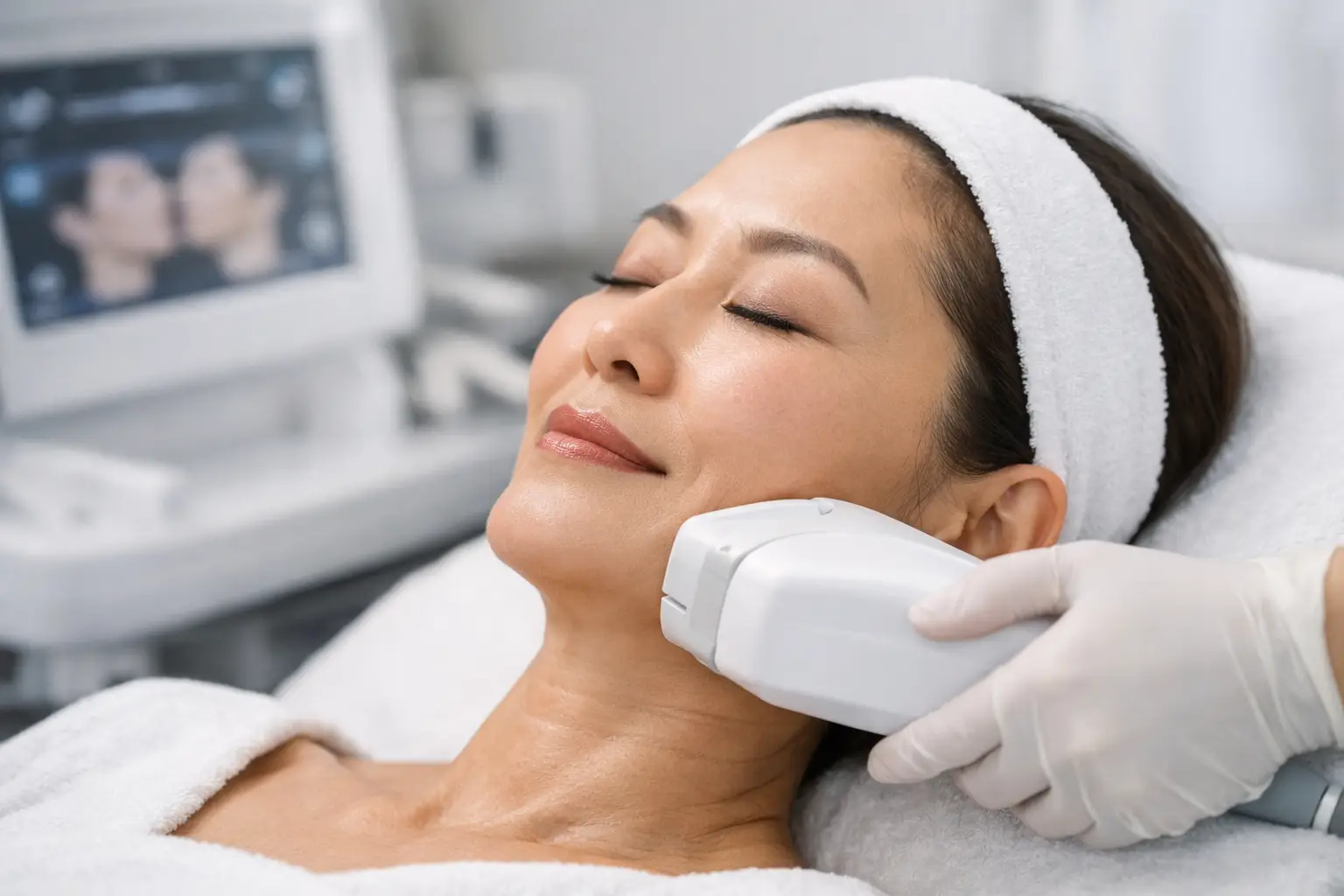
Energy-based devices, particularly laser therapies, form a cornerstone of aesthetic pigmentation management. These devices emit specific wavelengths of light that are highly absorbed by melanin.
- Targeted Pigment Lasers: Treatments utilizing Q-switched or ultra-short pulse duration (picosecond) laser technology are commonly utilized. These lasers deliver high-intensity energy in fractions of a second. This rapid delivery creates an acoustic or thermal effect that shatters the targeted melanin particles into microscopic fragments. Once broken down, the body’s natural immune system (specifically macrophages) gradually clears the fragmented pigment away.
- Intense Pulsed Light (IPL): While not technically a laser, IPL uses a broad spectrum of light with specific filters to target shallower epidermal pigmentation and associated vascularity.
Energy-based skin treatments may help improve skin clarity, but they require precise calibration by a medical professional to ensure the energy breaks down the pigment without generating excessive heat, which could paradoxically trigger further inflammation.
Injectable Skin Hydration and Collagen-Stimulating Treatments
In recent years, aesthetic medicine has recognized the importance of optimizing overall skin health, specifically the dermal environment, to manage complex conditions like melasma. Chronic pigmentary conditions are often associated with a weakened basement membrane (the junction between the epidermis and dermis) and altered dermal collagen.
Treatments involving generic hyaluronic acid fillers, polynucleotides, or collagen-stimulating treatments may be administered via micro-injections. These modalities are not meant to bleach or shatter pigment directly; instead, they are designed to provide deep hydration, stimulate fibroblast activity, and fortify the structural integrity of the skin. A healthier, more resilient dermal layer may help regulate melanocyte activity and reduce the likelihood of melanin dropping into the deeper tissues.
If you’re exploring options for aesthetic treatments targeting pigmentation, you might find valuable insights in a related article that discusses the latest trends in skincare. This resource highlights various approaches to managing pigmentation issues, including innovative treatments and expert recommendations. For more information, you can check out the article here: latest trends in skincare.
Clinical Risks, Limitations, and Suitability Considerations
| Treatment Type | Success Rate | Recovery Time |
|---|---|---|
| Laser Therapy | 80% | 1-2 days |
| Chemical Peels | 70% | 3-7 days |
| Microdermabrasion | 60% | 1-2 days |
All medical interventions carry inherent risks, and aesthetic pigmentation treatments are no exception. Patients must be fully informed of these limitations and potential adverse effects prior to proceeding.
Potential Side Effects
Generally, topical treatments and superficial peels may cause temporary erythema (redness), flaking, dryness, and a mild stinging sensation. Energy-based skin treatments carry a risk of mild swelling, temporary darkening of the pigmented spots before they flake off, and localized redness.
A more significant risk associated with laser and peel treatments is rebound hyperpigmentation or worsened PIH. If the skin is subjected to overly aggressive energy or harsh chemical injury, the resulting inflammation can provoke the melanocytes into producing even more pigment. Conversely, hypopigmentation (undesired lightening or whitening of the skin) can occur if the melanocytes are permanently damaged.
Individual Suitability
Not all treatments are suitable for every individual. Medical professionals carefully evaluate a patient’s Fitzpatrick skin type (a scale that measures skin color and its response to UV light). Individuals with darker skin types are generally at a higher risk for PIH and require a more conservative, gradual treatment approach. Furthermore, patients with active bacterial or viral skin infections, severe active autoimmune skin conditions, or those taking photosensitizing oral medications may have to delay certain procedures.
The Role of Long-Term Management and Preventive Strategies
The clinical management of skin pigmentation is an ongoing process. Even successful aesthetic treatments do not fundamentally change an individual’s genetic predisposition or halt the chronological ageing process. Therefore, continuous maintenance is required.
Sun Protection and Avoidance
The cornerstone of any pigmentation management protocol is strict, relentless sun protection. Medical professionals universally advise the daily application of a broad-spectrum sunscreen that protects against both UVA and UVB radiation. Sunscreen must be applied generously and reapplied throughout the day, particularly in highly sunny environments like Singapore. Adjunctive protective measures, such as seeking shade, wearing wide-brimmed hats, and using UV-protective clothing, are equally important. Without adequate sun protection, the results of medical aesthetic treatments will be compromised, and the pigmentation will likely recur.
Setting Realistic Clinical Expectations
Patients must maintain realistic expectations regarding their treatment outcomes. It is vital to understand that absolute claims, such as a “permanent” eradication of melasma or an “instant” removal of complex pigmentation, are scientifically inaccurate. While a customized protocol combining topical agents, chemical peels, and energy-based skin treatments may help improve the overall uniformity of the skin tone, a completely flawless complexion is rarely a realistic medical goal.
Pigmentation treatment requires patience, as the cellular turnover and pigment clearance processes take time—often a matter of weeks to months. Maintenance treatments are frequently necessary to manage chronic conditions.
In conclusion, understanding the biological nature of skin pigmentation allows individuals to approach aesthetic medicine with a well-informed mindset. Uneven skin tone is a multifaceted issue influenced by sun exposure, hormones, genetics, and inflammation. Through comprehensive consultation, accurate diagnosis, and the careful selection of combined generic medical therapies, patients can embark on a structured clinical pathway. Always seek the advice of a registered medical professional or licensed aesthetic clinic to comprehensively discuss your specific skin concerns, assess your suitability for various treatments, and formulate a safe, individualized management plan.
FAQs
What is pigmentation and what causes it?
Pigmentation refers to the coloring of the skin. It is caused by an overproduction of melanin, which can be triggered by factors such as sun exposure, hormonal changes, and skin injuries.
What are the common aesthetic treatments for pigmentation?
Common aesthetic treatments for pigmentation include chemical peels, laser therapy, microdermabrasion, and topical creams. These treatments aim to reduce the appearance of pigmentation and even out skin tone.
Are aesthetic treatments for pigmentation safe?
When performed by a qualified and experienced professional, aesthetic treatments for pigmentation are generally safe. However, it is important to follow pre and post-treatment care instructions to minimize any potential risks.
How long does it take to see results from aesthetic treatments for pigmentation?
The time it takes to see results from aesthetic treatments for pigmentation can vary depending on the type of treatment and the individual’s skin. In general, it may take several weeks to months to see noticeable improvements.
Are there any side effects associated with aesthetic treatments for pigmentation?
Common side effects of aesthetic treatments for pigmentation may include redness, swelling, and temporary darkening or lightening of the skin. These side effects are usually temporary and subside within a few days to weeks.