Spider veins, medically referred to as telangiectasias or venulectasias, are minute, dilated blood vessels that appear close to the surface of the skin. Typically manifesting as red, purple, or blue branching lines, these fine vessels often form web-like patterns, which is how they acquired their common name. While they can develop anywhere on the body, they present most frequently on the lower extremities and the face.
For many individuals in Singapore, spider veins represent a primary cosmetic concern that influences their clothing choices and overall dermatological confidence. In some cases, they may also be accompanied by mild physical symptoms such as localized itching, aching, or a sensation of heaviness in the legs. Modern aesthetic medicine offers several minimally invasive modalities aimed at managing and reducing the appearance of these vascular formations. Exploring these options requires a balanced understanding of how these treatments function, the clinical assessment involved, and the necessary post-treatment care.
To comprehend how clinical treatments address spider veins, it is essential to first understand the underlying mechanisms that cause them to form. The human circulatory system relies on a network of veins to return blood to the heart. This process is supported by tiny, one-way valves within the veins that prevent blood from flowing backward under the pull of gravity.
The Mechanisms Behind Spider Vein Formation
When the structural integrity of these microscopic venous valves weakens, or when venous pressure increases, blood can begin to pool within the vessels. This phenomenon, known as localized venous hypertension, exerts outward pressure on the relatively thin walls of capillaries and superficial veins. The sustained pressure causes the vessel walls to stretch, dilate, and eventually become permanently engorged with blood, leading to the visible web-like formations on the skin.
Common Risk Factors and Predispositions
The development of spider veins is multifactorial, usually resulting from a combination of genetic predispositions and lifestyle factors. A strong family history of vascular conditions significantly increases an individual’s susceptibility. Hormonal fluctuations also play a critical role; variations in estrogen and progesterone levels during puberty, pregnancy, and menopause can relax the smooth muscles within vein walls, making them more prone to dilation.
Furthermore, lifestyle habits and occupational requirements frequently contribute to their onset. Professions that demand prolonged periods of standing or sitting—such as teaching, nursing, or office-based roles—limit the activation of the calf muscle pump, which normally assists in propelling venous blood upward. Age is another contributing factor, as natural chronological aging leads to a gradual loss of tissue elasticity and weakening of vascular structures.
Distinguishing Spider Veins from Varicose Veins
While they share a similar pathophysiological origin, spider veins and varicose veins are distinct conditions. Spider veins are superficial, generally flat or only slightly raised, and typically measure less than one millimeter in diameter. Conversely, varicose veins are larger, deeper, and often appear as twisted, protruding, rope-like structures under the skin. Varicose veins are more frequently associated with underlying chronic venous insufficiency and may require different, more intensive medical interventions. A thorough medical evaluation is necessary to distinguish between the two and to ensure that treating the superficial spider veins is clinically appropriate.
If you’re considering spider vein removal in Singapore, you might find valuable insights in a related article that discusses the latest trends and treatments in aesthetic medicine. This resource provides information on effective procedures, expert advice, and patient testimonials that can help you make an informed decision. For more details, check out the article here: What’s Trending in Aesthetic Treatments.
Differentiating Facial and Lower Extremity Spider Veins
Spider veins can present on various parts of the body, but the underlying triggers and subsequent treatment strategies may differ depending on their anatomical location.
Characteristics of Facial Veins
Facial spider veins, particularly those surrounding the nose, cheeks, and chin, are frequently influenced by environmental factors rather than venous pressure. Chronic exposure to ultraviolet (UV) radiation from the sun can degrade the structural collagen and elastin in the skin, reducing the supportive matrix around facial capillaries. Additionally, dermatological conditions such as rosacea, as well as extreme temperature fluctuations, can trigger the dilation of these delicate facial vessels.
Characteristics of Leg Veins
In contrast, spider veins on the thighs, calves, and ankles are predominantly driven by hydrostatic pressure and gravity. The lower extremities bear the brunt of the body’s weight and the mechanical challenge of pumping blood against gravity. Consequently, treatments for leg veins often require a combined aesthetic and structural approach, sometimes necessitating post-procedural compression to manage the higher ambulatory pressures involved.
Evidence-Based Treatment Modalities
The aesthetic management of spider veins involves targeted techniques designed to close off the dysfunctional vessels, prompting the body’s immune system to naturally absorb and clear them over time. The two primary categories of minimally invasive treatments are injectable therapies and energy-based skin treatments.
Sclerotherapy: The Injection Approach
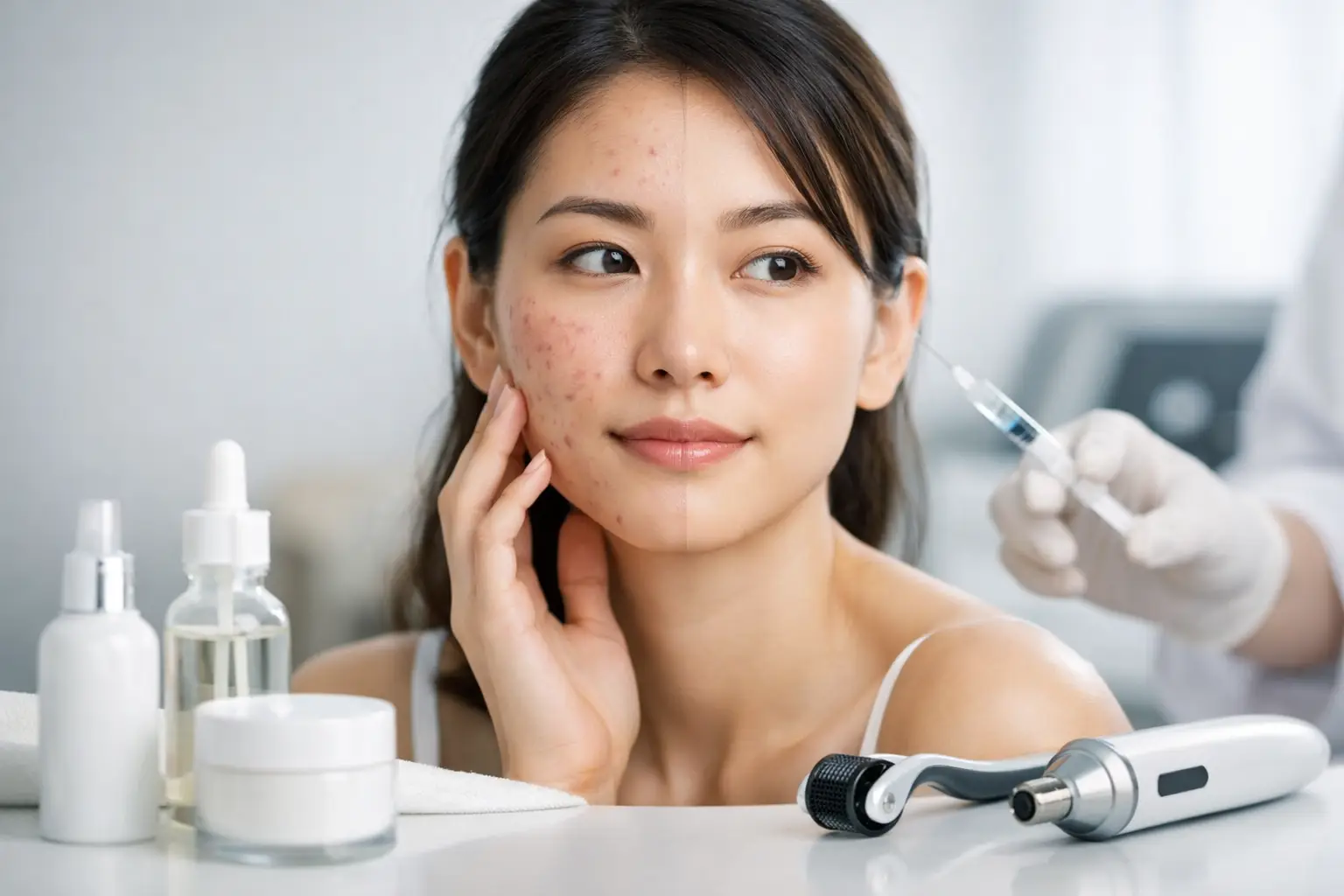
Sclerotherapy is a widely utilized, established medical procedure for the treatment of superficial leg veins. During this procedure, a medical practitioner uses a micro-needle to precisely inject a specialized chemical solution, known as a sclerosant, directly into the targeted spider vein.
The sclerosant agent works by intentionally irritating the endothelial lining (the inner wall) of the blood vessel. This localized irritation causes the vein walls to swell, adhere to one another, and ultimately seal shut, effectively stopping the flow of blood through that specific vessel. Deprived of circulation, the treated vein transitions into microscopic scar tissue. Over a period of several weeks to months, the body’s natural metabolic processes break down and absorb this tissue, which may help diminish the visible appearance of the vein on the skin’s surface.
Energy-Based Vascular Skin Treatments
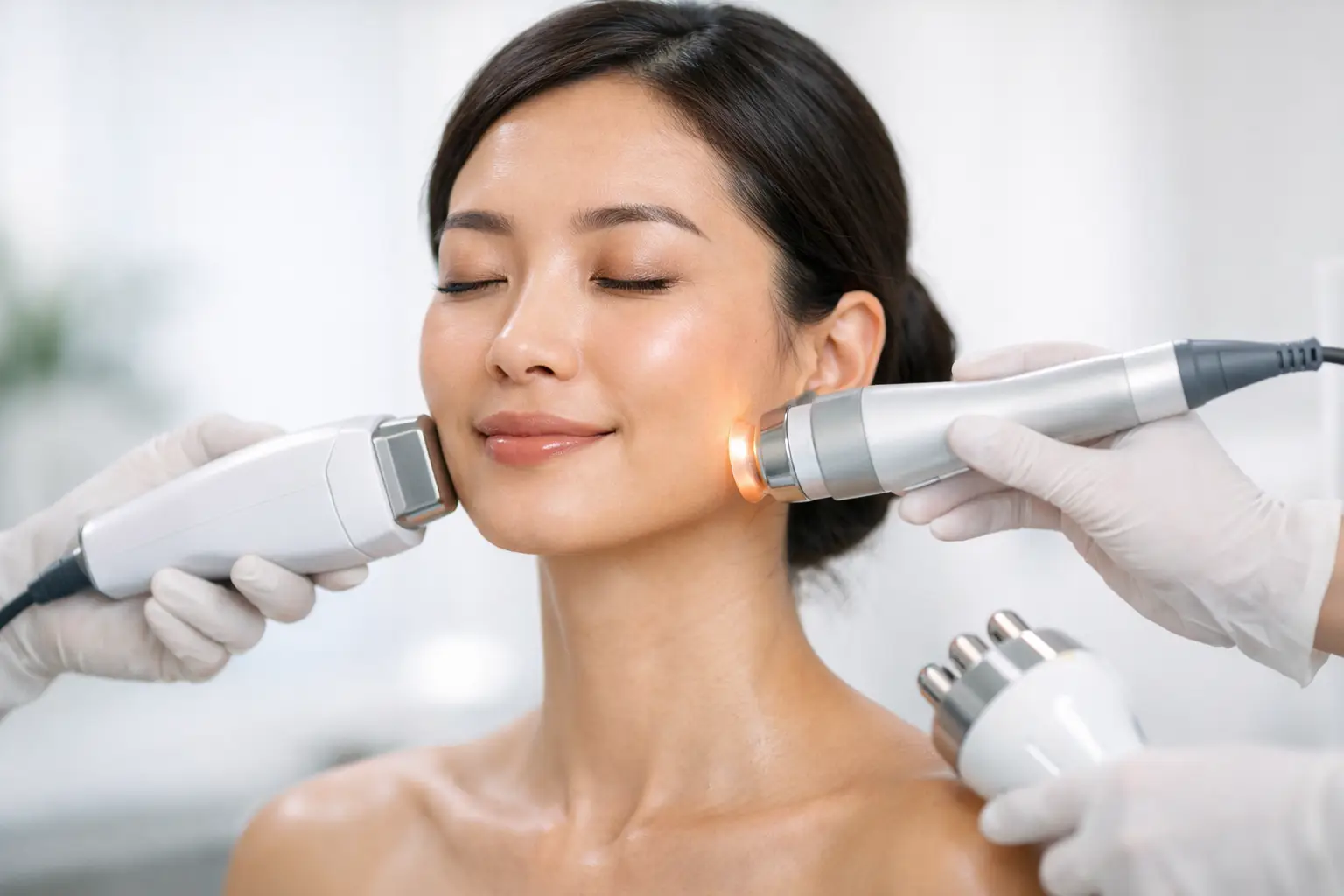
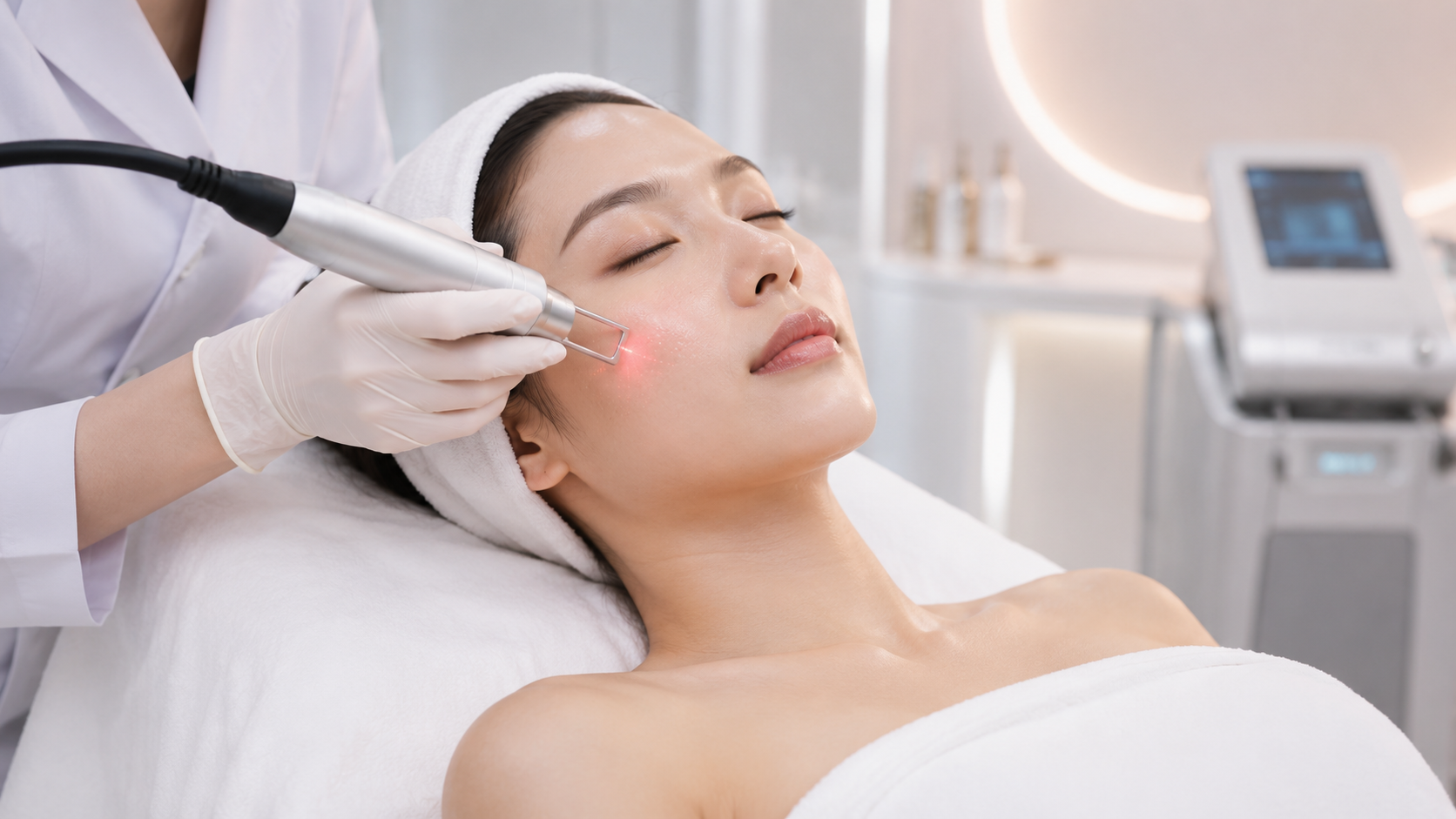
For particularly fine spider veins, those located on the face, or for individuals who may not be suitable candidates for injection-based therapies, energy-based skin treatments present a viable alternative. This modality encompasses specific vascular laser treatments and intensive light-based therapies.
These technological platforms operate on the principle of selective photothermolysis. The device emits a highly focused wavelength of light that safely passes through the outer layers of the skin and is selectively absorbed by oxyhemoglobin, the oxygen-carrying protein in the pooled blood. As the light energy is absorbed, it converts into thermal energy (heat). This localized heat coagulates the blood and subtly damages the structural wall of the problematic vessel, causing it to collapse. Similar to sclerotherapy, the collapsed vein is then gradually cleared by the body’s lymphatic and immune systems. Advanced energy-based devices are equipped with integrated cooling mechanisms to protect the epidermis and manage patient comfort during the application of heat.
The Clinical Consultation and Assessment Process
Due to the medical nature of vascular treatments, a comprehensive consultation with a qualified medical professional is an essential first step. There is no universally applicable treatment, and a clinical assessment is mandated by aesthetic medical guidelines in Singapore to ensure patient safety and suitability.
Comprehensive Medical Assessment
The consultation begins with a detailed review of the patient’s medical history, including past vascular issues, systemic conditions, current medications, and known allergies. A physical examination of the affected areas is conducted to evaluate the size, depth, and distribution of the spider veins. In some scenarios, particularly when lower extremity veins are accompanied by swelling or pronounced aching, the practitioner may recommend a Doppler ultrasound scan. This diagnostic step helps assess the function of deeper veins and ensures there is no underlying chronic venous insufficiency that could compromise the outcome of superficial treatments.
Establishing Realistic Treatment Goals
In aesthetic medicine, managing patient expectations is crucial. It is important to understand that spider vein treatments are designed to improve cosmetic appearance, but results vary between individuals. The clearing of treated veins is not an instantaneous process; the body requires time to break down and process the treated vascular tissue.
Furthermore, multiple treatment sessions—typically spaced several weeks apart—are frequently required to achieve optimal visual improvement. Patients must also be advised that while current spider veins can be treated, the procedures do not permanently alter an individual’s genetic predisposition or structural tendencies. Therefore, new spider veins may still develop in the future, and periodic maintenance sessions may be necessary to sustain the visual outcomes over the years.
If you’re considering spider veins removal in Singapore, you might find it helpful to explore various body contouring options available in the region. A related article discusses the different choices and their benefits, which can help you make an informed decision. For more information, you can read about these smart body contour choices here. Understanding your options can enhance your overall experience and satisfaction with the treatment.
Risks, Limitations, and Contraindications
| Treatment | Cost | Effectiveness | Recovery Time |
|---|---|---|---|
| Laser Treatment | Varies | High | Minimal |
| Sclerotherapy | Varies | High | Minimal |
| Vein Stripping | Varies | High | 1-4 weeks |
All clinical interventions carry inherent risks and potential side effects. Medical practitioners are obligated to discuss these thoroughly prior to the commencement of any treatment plan.
Expected Post-Procedural Effects
Following both sclerotherapy and energy-based treatments, patients can commonly expect localized, transient skin reactions. These may include mild erythema (redness), localized edema (swelling) resembling mosquito bites, and moderate bruising along the treatment site. Specifically with sclerotherapy, the skin overlying the treated vein may exhibit a temporary yellowish or brownish discoloration—a condition known as post-inflammatory hyperpigmentation or hemosiderin staining, caused by the breakdown of red blood cells. This staining usually fades gradually over a period of months.
Another potential, though less common, occurrence is “matting,” which involves the formation of a network of extremely fine red blood vessels around the treated area. Should matting occur, it can usually be addressed with further energy-based treatments or injection sessions. Severe complications, such as skin ulceration, deep vein thrombosis, or significant allergic reactions to sclerosant agents, are comparatively rare when treatments are administered by trained medical professionals within a clinical setting.
Recognizing Contraindications
Not everyone is a suitable candidate for spider vein removal modalities. Treatments are generally contraindicated for individuals who are pregnant or currently breastfeeding. Furthermore, patients with a documented history of deep vein thrombosis (DVT), severe systemic illnesses, active skin infections in the treatment area, or certain autoimmune conditions that affect skin healing may be advised against undergoing these procedures. A thorough clinical evaluation ensures that elective aesthetic treatments are not performed on patients for whom the risks outweigh the potential cosmetic benefits.
If you’re considering options for spider veins removal in Singapore, you might find it helpful to explore related treatments that can enhance your overall skin appearance. For instance, a comprehensive approach to skin care often includes effective hair removal solutions, which can complement vein treatments. You can read more about such services in this informative article on smooth and fuss-free hair removal. This could provide you with valuable insights into maintaining healthy skin while addressing concerns like spider veins.
Post-Treatment Care and Long-Term Management
The success of spider vein treatments is distinctly influenced by patient adherence to post-procedural care instructions and the integration of supportive lifestyle modifications.
Immediate Aftercare Protocols
To optimize the efficacy of sclerotherapy and minimize specific side effects, patients are typically required to wear medical-grade compression stockings or garments for varying durations post-treatment. The external pressure exerted by these garments helps to keep the treated vein walls compressed together, facilitating the necessary scarring process and mitigating the chance of blood re-entering the treated vessels. While wearing compression garments may require a degree of acclimatization given Singapore’s humid tropical climate, strict adherence is vital for favorable outcomes.
Additionally, patients are usually instructed to abstain from strenuous physical exertion, heavy weightlifting, and high-impact exercises for a defined period following the procedure. Exposure to extreme heat environments—such as hot baths, saunas, and intense, direct ultraviolet sunlight—should also be avoided, as heat induces vasodilation (the expansion of blood vessels) which can counteract the clinical intent of the treatments and exacerbate post-procedural swelling.
Proactive Lifestyle Modifications
While clinical treatments address existing aesthetic concerns, long-term vascular health requires proactive management. Implementing targeted lifestyle adjustments may help minimize the rate at which new spider veins form.
Maintaining a healthy body weight reduces the structural burden placed on the lower extremities and vascular system overall. Engaging in regular, low-impact cardiovascular exercises, such as walking, swimming, or cycling, promotes overall blood circulation and activates the calf muscles, which mechanically assist in venous return. For individuals whose occupations demand prolonged standing or sitting, taking deliberate breaks to flex the ankles, walk briefly, or elevate the legs can relieve accumulated venous pressure. When resting, elevating the legs slightly above the level of the heart can significantly assist in reducing hydrostatic pressure in the lower limbs.
In conclusion, while spider veins are a common occurrence, individuals do not necessarily have to live with the aesthetic discomfort they may cause. Through scientifically grounded modalities such as sclerotherapy and energy-based skin treatments, patients can explore options that may help diminish the appearance of these vascular concerns. However, treatment should always be approached with a measured understanding of clinical realities, potential risks, and the individual variability of results. Those wishing to explore aesthetic options for vascular management should seek advice from a qualified medical professional to ensure that any proposed treatment aligns safely and effectively with their specific dermatological and physiological requirements.
FAQs
What are spider veins?
Spider veins, also known as telangiectasia, are small, damaged veins that can appear on the surface of the legs or face. They often look like a spider web or tree branches with their short, jagged lines.
What causes spider veins?
Spider veins can be caused by a variety of factors, including genetics, hormonal changes, pregnancy, obesity, prolonged standing or sitting, and sun exposure. They can also be a result of certain medical conditions such as blood clots or liver disease.
What are the treatment options for spider veins removal in Singapore?
In Singapore, common treatment options for spider veins removal include sclerotherapy, laser therapy, and intense pulsed light (IPL) therapy. These treatments are minimally invasive and can effectively reduce the appearance of spider veins.
Are there any risks or side effects associated with spider veins removal treatments?
While spider veins removal treatments are generally safe, there are some potential risks and side effects to be aware of. These may include temporary redness, swelling, bruising, or discoloration at the treatment site. In rare cases, more serious complications such as infection or allergic reactions may occur.
How can I find a reputable clinic for spider veins removal in Singapore?
When looking for a clinic for spider veins removal in Singapore, it’s important to do thorough research. Look for clinics with experienced and qualified medical professionals, positive patient reviews, and a clean and professional environment. It’s also a good idea to schedule a consultation to discuss your treatment options and any concerns you may have.