Advances in aesthetic dermatology have introduced various energy-based skin treatments designed to address pigmentation, textural irregularities, and overall skin rejuvenation. Among the modalities commonly utilised in medical aesthetic clinics today is picosecond laser technology. Originating as a scientific progression from traditional nanosecond (Q-switched) lasers, picosecond lasers represent a significant refinement in how light energy is delivered to the skin. By administering ultra-short pulses of energy, this technology aims to target specific skin concerns with increased precision and a modified safety profile.
This article provides an educational overview of picosecond lasers, exploring the science behind the technology, the common dermatological conditions it may help address, and the critical considerations regarding safety and patient suitability. As with all medical interventions, it is crucial to understand that results vary between individuals, and any aesthetic procedure carries inherent risks that must be carefully evaluated by a qualified medical professional.
To appreciate how this energy-based skin treatment interacts with human tissue, one must first understand the fundamental physics of laser therapy in dermatology. Lasers work by emitting precise wavelengths of light that are absorbed by specific chromophores—targets in the skin such as melanin (pigment), haemoglobin (blood), or foreign pigment (tattoo ink).
How Picosecond Lasers Work
The defining characteristic of a picosecond laser is its pulse duration. The term “picosecond” refers to one trillionth of a second. When compared to the older generation of nanosecond lasers (which operate at one billionth of a second), picosecond lasers deliver laser energy to the targeted tissue at a substantially faster rate. This ultra-short pulse duration fundamentally alters how the laser energy affects the target chromophore.
When light energy is delivered this rapidly, the targeted pigment or ink is subjected to intense stress before it has the opportunity to transfer significant heat to the surrounding skin. This rapid delivery aims to confine the energy strictly to the targeted area, attempting to preserve the integrity of the adjacent healthy cells.
The Photoacoustic Effect Explained
Traditional dermatological lasers generally rely on a photothermal effect, where the light energy is converted into heat to destroy the target. While effective, excessive heat generation can sometimes lead to collateral damage in surrounding tissues. Picosecond technology, due to its ultra-short pulse duration, primarily utilises a photomechanical or “photoacoustic” effect.
Instead of merely heating the pigment, the rapid delivery of energy creates a microscopic acoustic wave within the target. This wave exerts mechanical stress on the pigment particles, fracturing them into exceptionally small, micro-fine fragments. Because the particles are broken down into such minute sizes, the body’s immune system—specifically, scavenger cells called macrophages—can more readily engulf and remove them through the natural lymphatic system. This precise shattering mechanism may help improve the clearance of unwanted pigment while aiming to reduce the overall thermal load on the skin.
Laser-Induced Optical Breakdown (LIOB)
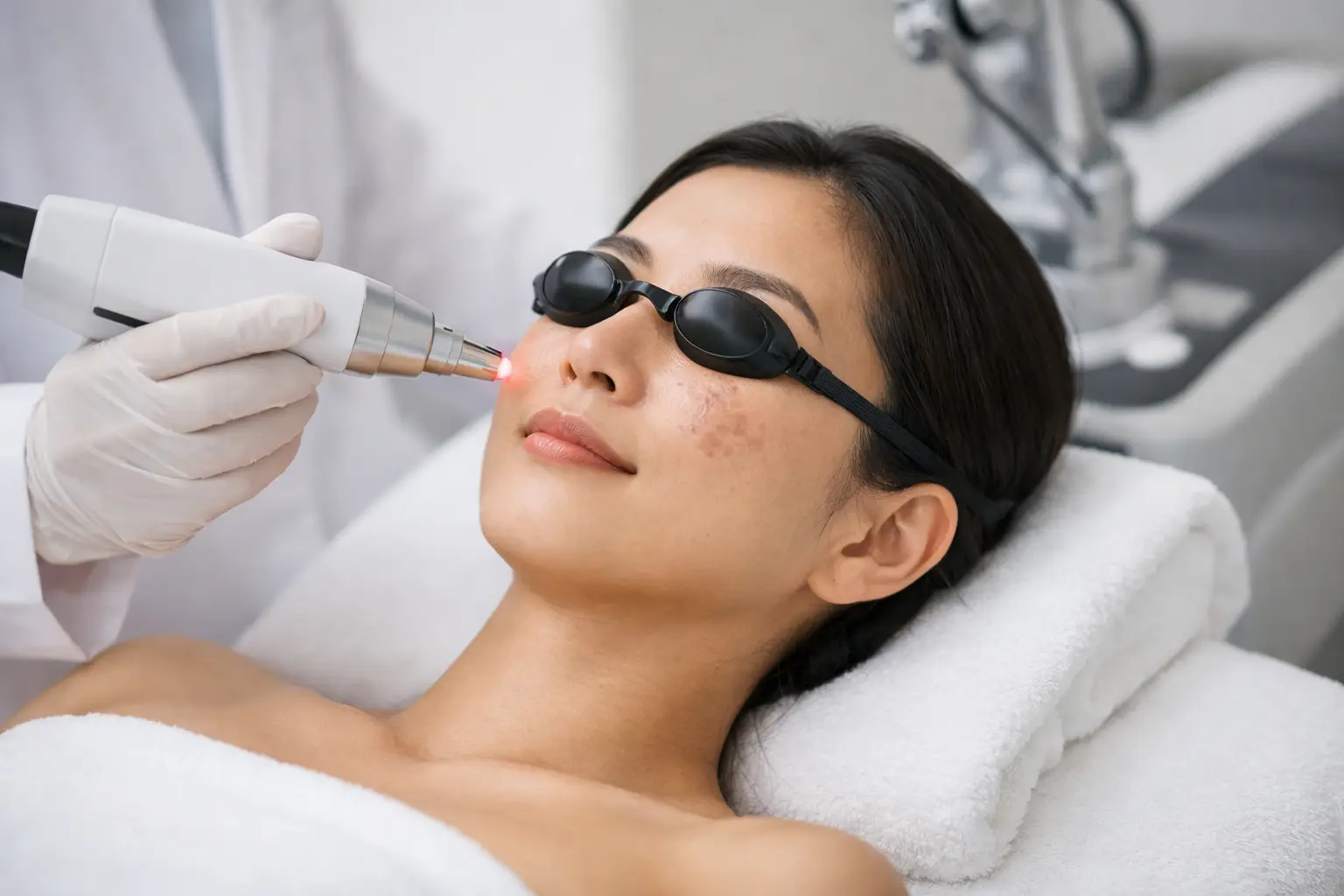
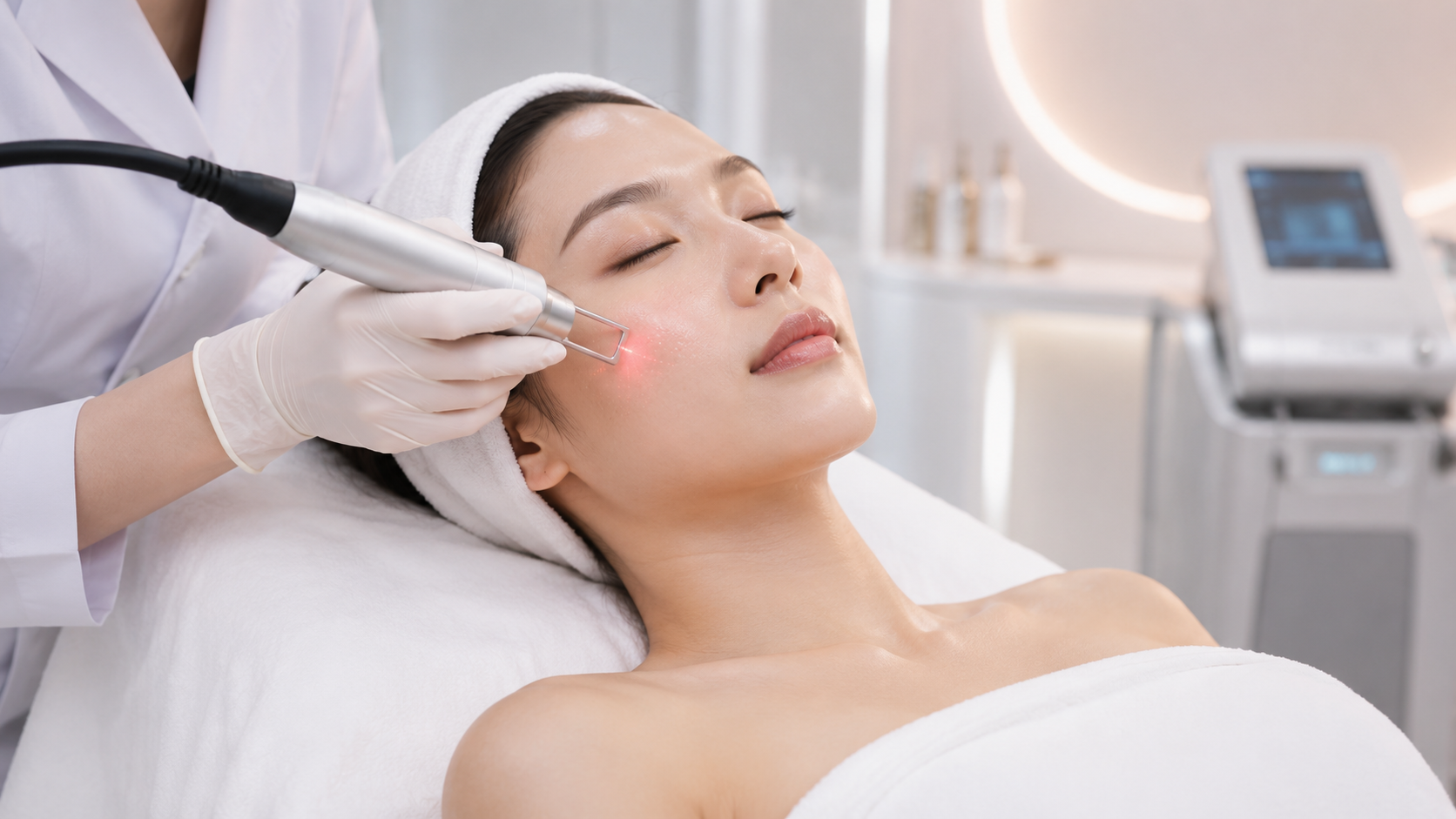
Beyond targeting pigment, picosecond lasers can be equipped with specialised fractional handpieces that distribute the laser beam into arrays of concentrated micro-beams. This configuration facilitates a phenomenon known as Laser-Induced Optical Breakdown (LIOB). LIOB creates microscopic vacuoles, or tiny zones of controlled injury, within the dermal layer without breaking the surface of the skin (the epidermis). This process is intended to trigger the skin’s natural wound-healing cascade, promoting the production of new collagen and elastin fibers, which are essential structural components for skin repair and remodeling.
Pico laser treatments have gained popularity for their numerous benefits, including effective skin rejuvenation and pigmentation removal. For those interested in learning more about the advantages of pico lasers, a related article can provide valuable insights. You can read about the effective pigmentation laser treatment options available in Singapore by visiting this link: 2026 Guide to Effective Pigmentation Laser Treatment in Singapore. This resource offers a comprehensive overview of how pico lasers can enhance your skin’s appearance and address various concerns.
Common Indications Addressed by Picosecond Lasers
Because picosecond lasers can be configured with different wavelengths (such as 532 nm or 1064 nm) and energy settings, they are versatile tools in a medical aesthetic clinic. A treating physician will select specific parameters based on the patient’s individual presentation.
Pigmentation Irregularities
Hyperpigmentation occurs when there is an overproduction and uneven distribution of melanin in the skin. Picosecond lasers are frequently utilised as part of a management plan for various hyperpigmentary conditions, including:
- Solar Lentigines (Sun Spots): Discrete areas of darkened skin resulting from prolonged exposure to ultraviolet (UV) radiation.
- Ephelides (Freckles): Small, genetically predisposed spots that darken with sun exposure.
- Post-Inflammatory Hyperpigmentation (PIH): Darkened areas of skin that linger after an inflammatory event, such as an acne breakout or superficial skin injury.
- Melasma: A complex, chronic condition characterised by diffuse, symmetrical pigmented patches, often influenced by hormonal fluctuations and sun exposure. Management of melasma requires extreme care, as excessive heat can exacerbate the condition. The photoacoustic profile of picosecond lasers may offer a gentler energy-based approach, though it is often combined with topical therapies for comprehensive management.
Tattoo Removal Support
Tattoo ink consists of relatively large particles of foreign pigment situated deep within the dermis. The body’s immune system is unable to clear these large particles natively. Picosecond lasers were initially championed in the aesthetic field for their role in tattoo removal.
By applying the photoacoustic effect, the laser attempts to shatter the large ink aggregates into smaller, manageable fragments. Different wavelengths are implemented to target different ink colours; for example, darker inks like black and dark blue often respond to a 1064 nm wavelength, whereas red or yellow pigments may require a 532 nm wavelength. It is important to note that tattoo clearance requires multiple sessions spaced several weeks apart, and complete removal cannot be guaranteed.
General Skin Rejuvenation and Textural Refinement
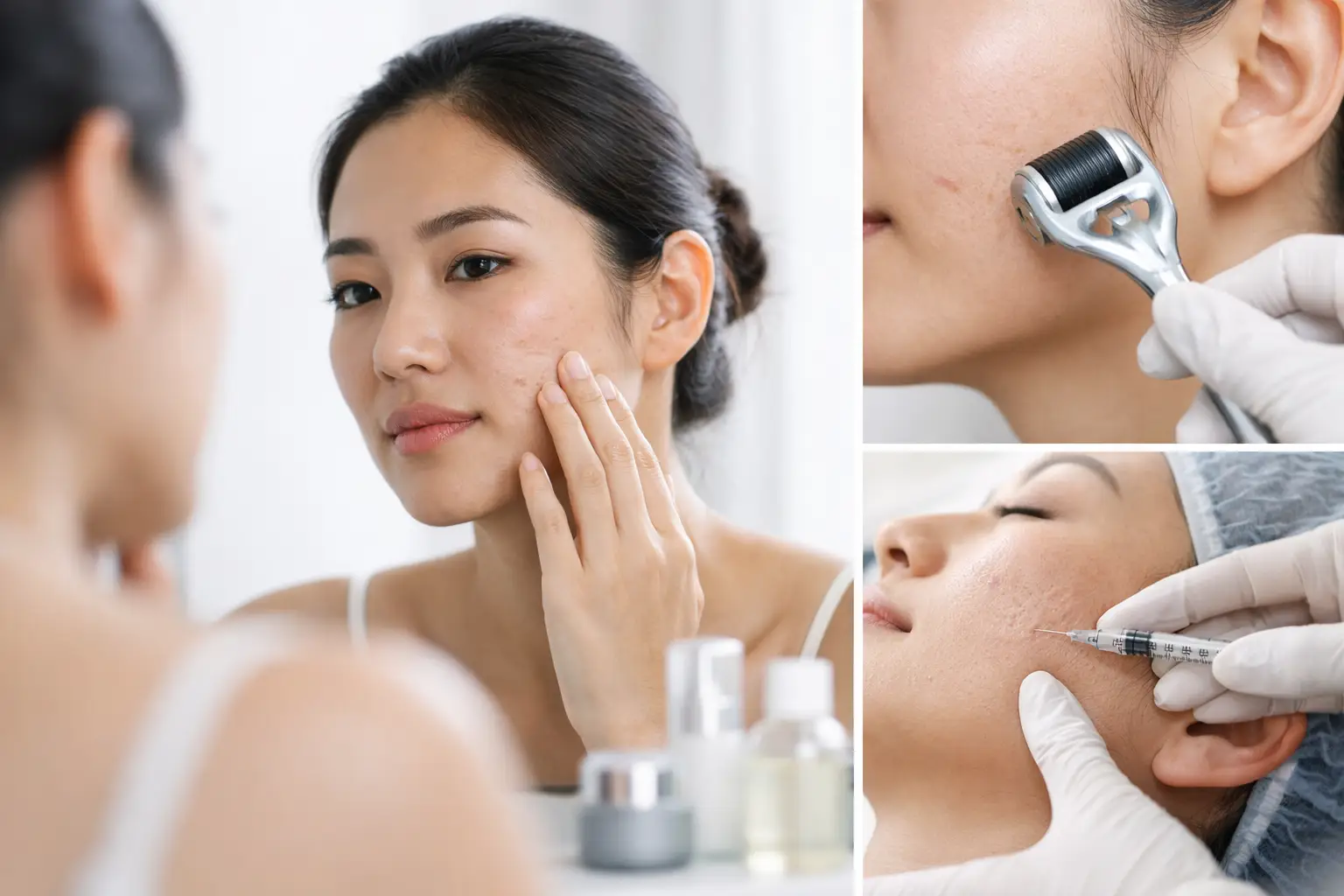
When used with a fractional handpiece, the picosecond laser acts as a collagen-stimulating treatment. The creation of dermal vacuoles via LIOB aims to remodel the skin’s deeper structures. This application may help improve the appearance of atrophic acne scars, enlarged pores, and fine lines. Because the surface layer of the skin remains largely intact during this non-ablative process, patients may experience textural improvements with differently managed downtime compared to traditional ablative resurfacing lasers.
Examining the Efficacy and Speed of Treatment
When discussing energy-based skin treatments, the concepts of efficacy and procedure duration are often evaluated by medical professionals to design appropriate treatment protocols. The characteristics of the picosecond pulse contribute to distinct clinical outcomes.
Reduced Thermal Damage
The fundamental advantage of limiting heat diffusion is the preservation of non-targeted tissue. In traditional laser therapy, when a target is heated for a duration longer than its Thermal Relaxation Time (the time it takes for the target to lose 50% of its heat), the excess thermal energy spills over into adjacent normal cells. This collateral heat is what typically causes pain, prolonged redness, swelling, and increases the risk of complications.
By delivering energy in the picosecond domain, the energy administration is completed before significant heat transfer can occur. This precise targeting mechanism aims to confine the localized damage strictly to the unwanted pigment or dermal concern, thereby aiming to optimise the clinical outcome while carefully managing tissue safety.
Potential Impact on Treatment Duration
Because the photoacoustic effect is capable of fracturing pigment into exceptionally small particles, the physiological clearance of these fragments by the body’s lymphatic system may proceed more efficiently. In certain clinical scenarios, particularly with specific tattoo pigments or superficial epidermal pigmentation, patients may require fewer total treatment sessions to achieve their desired outcome compared to older generations of laser technology.
However, patients must maintain realistic expectations. The speed of clearance relies heavily on the individual’s immune system, the depth of the pigment, and adherence to aftercare guidelines. Complete resolution is not always achievable, and maintenance sessions may be necessary for chronic conditions like melasma.
Safety Considerations and Managing Patient Expectations
Patient safety is the paramount concern in any medical aesthetic clinic. While picosecond laser technology introduces refined mechanisms of action, it remains a powerful medical intervention that requires respect, understanding, and professional oversight.
Risk Minimisation for Asian Skin Types
Individuals of Asian descent, often corresponding to Fitzpatrick Skin Types III, IV, and V, possess higher concentrations of active melanocytes (melanin-producing cells). Consequently, Asian skin is naturally more prone to developing post-inflammatory hyperpigmentation (PIH) when subjected to trauma, inflammation, or excessive heat.
The reduced thermal profile of picosecond lasers makes them a relevant consideration for treating Asian skin types. Because less heat is generated during the shattering of pigment, there is theoretically a lower risk of triggering the melanocytes into producing excess pigment in response to heat trauma. Nevertheless, strict parameter control by an experienced practitioner is essential to avoid paradoxical darkening of the skin.
Potential Side Effects and Downtime
While generally well-tolerated when administered correctly, picosecond laser treatments carry potential side effects. Expected, transient post-treatment responses may include:
- Erythema: Mild to moderate redness resembling a light sunburn, typically resolving within a few hours to a few days.
- Oedema: Mild swelling, particularly if treating delicate areas around the eyes or if using a fractional handpiece.
- Petechiae (Pinpoint Bleeding): When undergoing fractional rejuvenation for acne scars, micro-injuries in the dermis may cause harmless, temporary pinpoint bleeding or a bruised appearance that usually resolves within a week.
- Crusting or Flaking: Areas of intense pigmentation may temporarily darken before crusting and flaking off naturally.
Unexpected or adverse risks, though less common, can include blistering, hypopigmentation (lightening of the skin), or persistent PIH.
Necessity of Strict Photoprotection
A critical component of safety and efficacy lies in the patient’s commitment to post-procedure care. Following an energy-based skin treatment, the skin barrier is temporarily sensitized to ultraviolet radiation. Exposure to the sun without adequate protection can severely compromise the treatment outcome and induce severe PIH. Patients are strictly advised to avoid direct sun exposure and apply a broad-spectrum sunscreen with high SPF diligently.
Pico laser treatments have gained popularity for their numerous benefits, including skin rejuvenation and the reduction of pigmentation. If you’re considering these treatments, it’s essential to understand how to prepare your skin effectively. For more insights on this topic, you can check out a related article that discusses the best practices for preparing your skin for laser treatments, especially as the Lunar New Year approaches. You can read more about it here.
Patient Suitability and the Consultation Process
| Benefits of Pico Laser |
|---|
| 1. Faster treatment times |
| 2. Reduced risk of side effects |
| 3. Effective for various skin types |
| 4. Minimal downtime |
| 5. Improved skin texture and tone |
| 6. Targeted treatment for pigmentation and acne scars |
In Singapore, aesthetic treatments are regulated by the Ministry of Health (MOH) to ensure patient safety and proper medical governance. An energy-based skin treatment such as a picosecond laser is a medical procedure, and thorough evaluation is a mandatory precursor to any intervention.
Who May Benefit from the Treatment?
Picosecond lasers are generally suitable for adult patients seeking to address specific pigmentary concerns, tattoo removal, or textural issues like acne scarring. However, it is not a universally applicable solution. Contraindications exist, and treatment may be delayed or refused for individuals who:
- Are currently pregnant or breastfeeding.
- Have active cutaneous infections (such as active Herpes Simplex outbreaks) in the treatment area.
- Have an active, severe acne flare or compromised skin barrier (such as severe eczema or psoriasis).
- Are currently taking or have recently taken oral isotretinoin or certain photosensitising medications.
- Exhibit unrealistic expectations regarding the speed and finality of aesthetic outcomes.
Why a Professional Consultation is Necessary
An in-depth consultation with a qualified medical professional is non-negotiable. During this session, the clinician will conduct a comprehensive assessment of the patient’s dermatological health, medical history, and lifestyle factors.
Accurate diagnosis of pigmentary conditions is vital. For instance, attempting to treat an undiagnosed skin lesion that requires dermatological pathology assessment with a cosmetic laser can delay critical medical care. Furthermore, distinguishing between different types of pigmentation dictates the specific wavelength, energy (fluence), and spot size required for a safe proceeding.
Personalised Treatment Plans
Based on the clinical assessment, the physician will outline a personalized treatment plan. This plan will articulate the proposed technology, the anticipated number of sessions, the required intervals between treatments (typically 4 to 6 weeks to allow for tissue recovery and macrophage clearance), and comprehensive post-care instructions.
A responsible aesthetic clinic will also ensure the patient is fully informed of all possible risks, benefits, and reasonable alternatives, empowering them to make an educated decision regarding their skin health. The focus of the aesthetic journey should always remain firmly fixed on the safe, methodical, and medically sound enhancement of the individual’s natural skin integrity.
FAQs
What is a Pico laser?
A Pico laser is a type of laser technology that delivers ultra-short pulses of energy to the skin in picoseconds (trillionths of a second). This technology is used for various dermatological treatments, including tattoo removal, skin rejuvenation, and pigmentation correction.
What are the benefits of Pico laser treatments?
Pico laser treatments offer several benefits, including faster and more effective tattoo removal, reduced risk of skin damage, minimal discomfort during the procedure, and shorter downtime for recovery. Additionally, Pico laser treatments can target a wide range of skin concerns with precision.
How does Pico laser differ from traditional laser treatments?
Pico laser technology delivers energy in shorter pulses compared to traditional lasers, which allows for better targeting of specific skin concerns and reduces the risk of damaging surrounding tissue. Pico lasers are also more effective in breaking down tattoo ink particles and stimulating collagen production for skin rejuvenation.
Are Pico laser treatments safe for all skin types?
Yes, Pico laser treatments are generally safe for all skin types, including darker skin tones. The ultra-short pulses of energy minimize the risk of hyperpigmentation and other side effects commonly associated with traditional laser treatments.
How many Pico laser sessions are typically needed for optimal results?
The number of Pico laser sessions needed for optimal results varies depending on the specific skin concern being treated. However, most patients require multiple sessions spaced several weeks apart to achieve the desired outcome. Your dermatologist or skincare professional can provide a personalized treatment plan based on your individual needs.