Spider veins, medically referred to as telangiectasias, are small, dilated blood vessels that appear prominently close to the surface of the skin. Presenting most commonly on the lower extremities and the face, these vascular formations can manifest as linear, branch-like, or web-shaped patterns in shades of red, blue, or purple. In Singapore, many individuals seek medical advice for spider veins due to cosmetic concerns, though they can occasionally be accompanied by mild physical discomfort.
Addressing spider veins involves understanding their etiology, the diagnostic protocols utilized by aesthetic and medical practitioners, and the diverse treatment modalities available. This article provides a comprehensive, educational overview of spider vein management in a clinical setting, ensuring individuals are well-informed about the procedures, associated risks, and the importance of professional medical assessment.
To effectively understand how treatments work, it is essential to first comprehend the physiological nature of spider veins and the various factors that contribute to their development over time.
The Anatomy of Spider Veins
The human circulatory system relies on a complex network of arteries, veins, and capillaries to transport blood throughout the body. Veins are specifically responsible for returning deoxygenated blood back to the heart. To facilitate this upward flow against gravity, particularly in the legs, veins are equipped with one-way valves. Spider veins typically develop when there is localized venous insufficiency or microvascular dilation. When these tiny valves weaken or fail, blood can pool within the superficial vessels, increasing localized pressure and causing the delicate vessel walls to dilate and become visible through the skin. On the face, spider veins are usually composed of dilated capillaries rather than vessels with failed valves.
Common Causes and Risk Factors
The development of spider veins is multifactorial, encompassing both intrinsic biological factors and extrinsic lifestyle influences. Genetics plays a substantial role; individuals with a family history of vascular conditions are statistically more predisposed to developing telangiectasias. Hormonal fluctuations also significantly impact vascular elasticity. Milestones such as puberty, pregnancy, and menopause, alongside the use of certain hormonal medications, may contribute to the weakening of vein walls.
Additionally, occupational hazards that require prolonged periods of standing or sedentary sitting—such as nursing, teaching, or office-based roles—can impede optimal venous circulation in the lower limbs, exacerbating the pooling of blood. For facial spider veins, chronic cumulative ultraviolet (UV) exposure from the sun is a primary catalyst, as UV radiation degrades the collagen that structural supports the capillaries. Aging, which naturally leads to thinner skin and diminished tissue elasticity, further increases the visibility of these vessels.
Symptoms and When to Seek Medical Advice
In the majority of cases, spider veins are asymptomatic and are primarily viewed as an aesthetic concern. However, they are not strictly limited to cosmetic implications. Some individuals may experience mild localized symptoms, particularly after prolonged periods of standing. These symptoms might include a sensation of heaviness in the legs, mild aching, throbbing, or localized itching over the affected veins. While spider veins themselves are rarely a serious health threat, they can sometimes indicate a broader venous insufficiency. Individuals experiencing discomfort or persistent symptoms are advised to seek a formal medical evaluation.
If you’re interested in learning more about aesthetic treatments in Singapore, you might find the article on smart body contour choices particularly insightful. It explores various options available for enhancing your appearance, including treatments that can complement spider vein removal procedures. For more information, you can read the article here: Smart Body Contour Choices: What to Choose & Why.
Diagnosing Spider Veins in a Clinical Setting
Proper management of vascular conditions requires an accurate diagnosis. A targeted clinical assessment ensures that the appropriate treatment modality is selected based on the specific anatomical and physiological needs of the patient.
The Initial Medical Assessment
When a patient presents with visible veins, a qualified medical practitioner will conduct a thorough medical consultation. This process typically begins with a comprehensive review of the patient’s medical history, prioritizing past cardiovascular issues, underlying health conditions, previous vascular treatments, and current medications. The physical examination involves a visual inspection and palpation of the veins, both while the patient is standing and resting, to understand how blood flow and gravity affect the vessels.
Differentiating Spider Veins from Varicose Veins
A critical step in the diagnostic process is distinguishing spider veins from varicose veins, as the presence of the latter may necessitate a different medical approach. Spider veins are superficial, generally measuring less than one millimeter in diameter, and they do not bulge significantly above the skin’s surface. In contrast, varicose veins are larger, deeper, severely dilated vessels that often protrude outward, appearing twisted and cord-like. Varicose veins are more commonly associated with significant pain, swelling, and broader cardiovascular implications. A patient may present with both conditions simultaneously, which must be clearly mapped out before a treatment plan is formed.
Importance of Evaluating Underlying Conditions
For some patients, particularly those presenting with extensive networks of spider veins on the legs alongside swelling or skin discoloration, the practitioner may recommend further investigation. Diagnostic tools, such as Doppler ultrasound imaging, may be utilized to assess the structural integrity of the deeper venous system. Evaluating for deeply rooted venous incompetence ensures that superficial treatments are not performed on a structurally unstable foundation, which could lead to suboptimal outcomes or the rapid recurrence of the vessels.
Modalities for Spider Vein Treatment
Advancements in medical aesthetics and dermatology have introduced various minimally invasive modalities to address spider veins. The overarching goal of these procedures is to purposefully close off or destroy the abnormal vessel, prompting the body to naturally absorb the remnant tissue while rerouting blood access to healthier veins. It is important to note that results vary between individuals, and specific outcomes cannot be guaranteed.
Sclerotherapy (Injection-Based Approach)
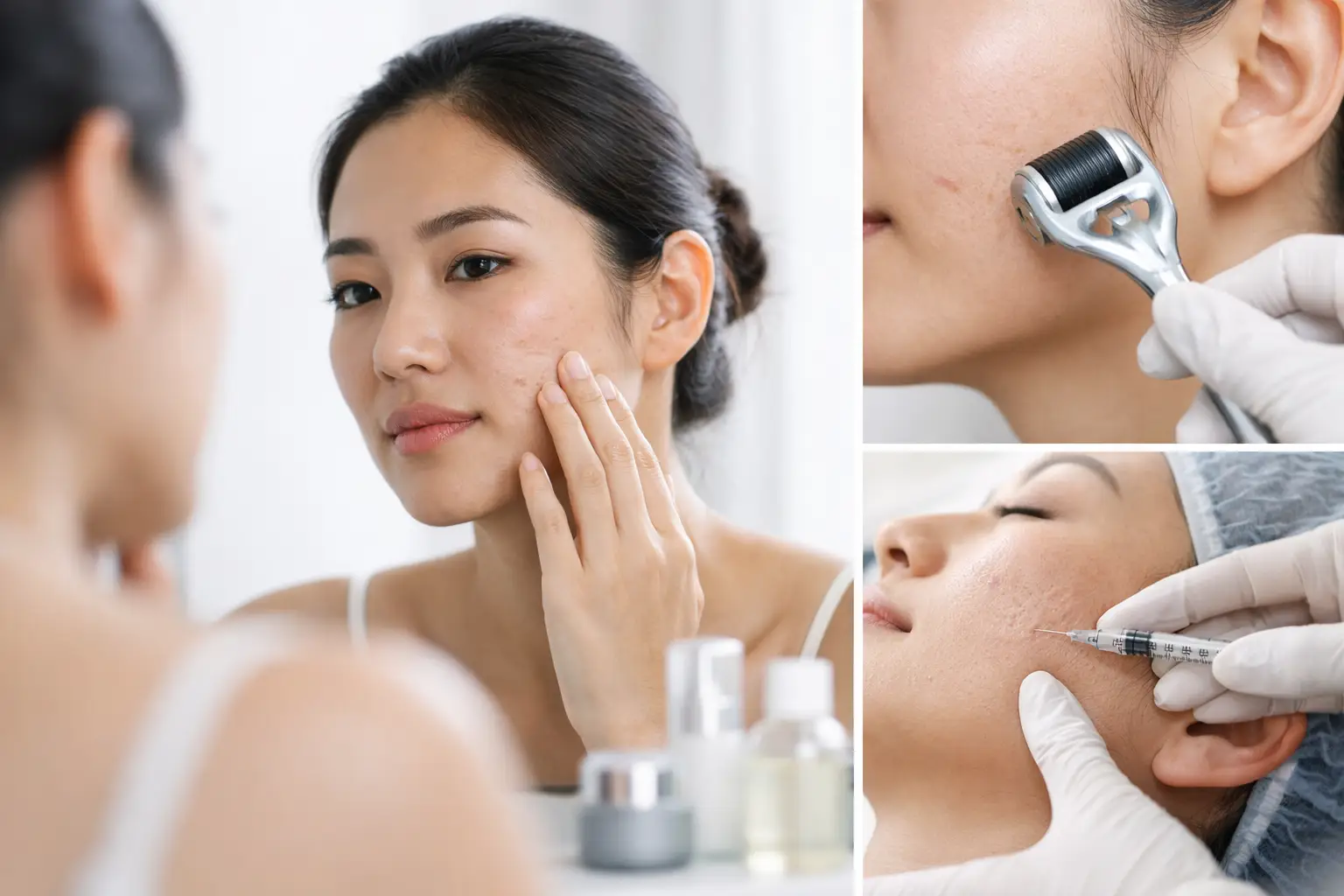
Sclerotherapy remains one of the primary and most established methods for managing spider veins, particularly those located on the lower extremities. The procedure involves the direct administration of a specialized sclerosant solution into the targeted vein using a very fine micro-needle. Once injected, the sclerosant induces a controlled irritation to the endothelial lining—the inner wall of the blood vessel. This irritation triggers localized inflammation, causing the vein walls to swell, adhere together, and ultimately seal shut. Deprived of blood flow, the treated vein transitions into precise scar tissue, which the body relies on its macrophages to gradually break down and absorb over the course of several weeks or months.
Energy-Based Skin Treatments (Lasers and Light Therapy)
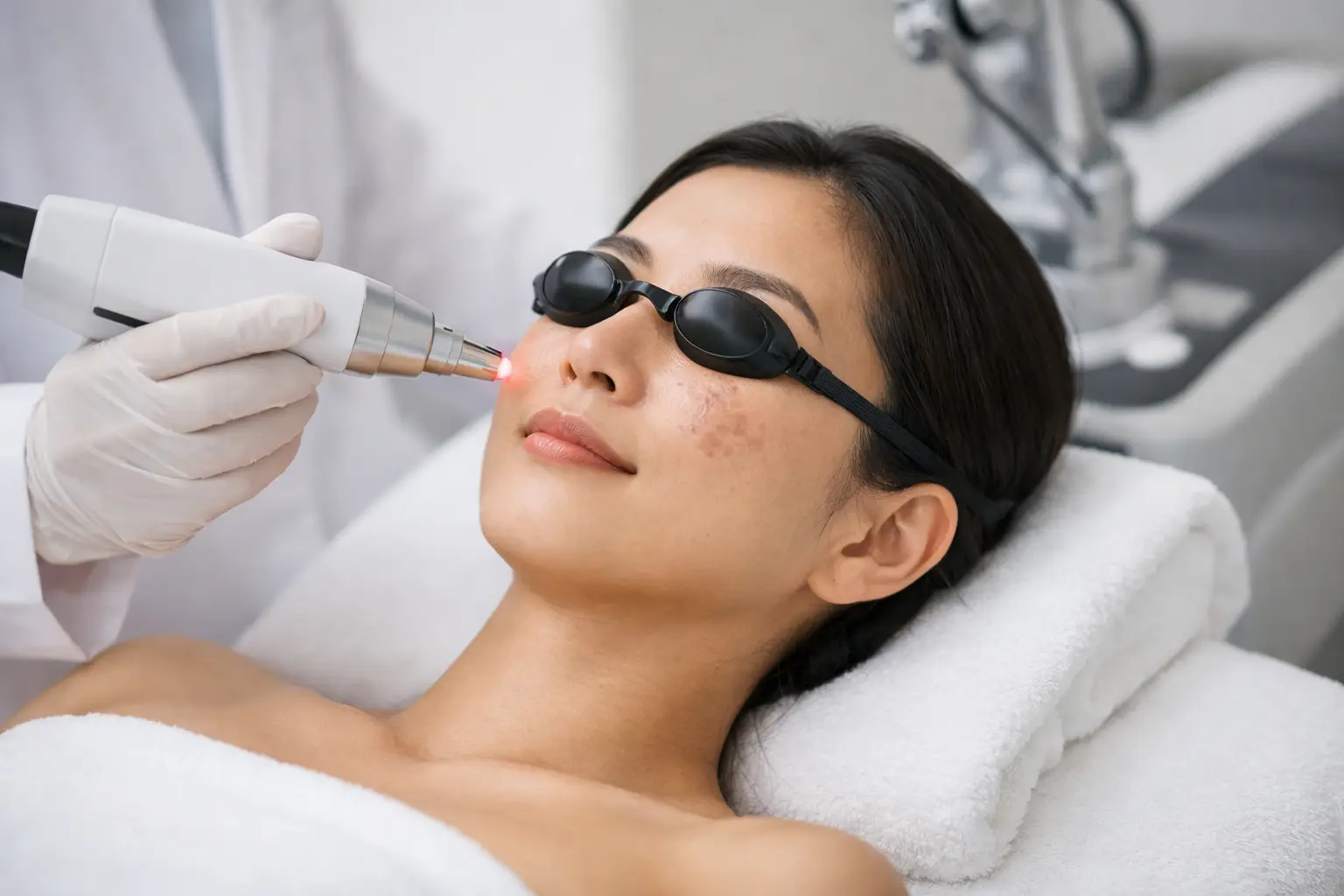
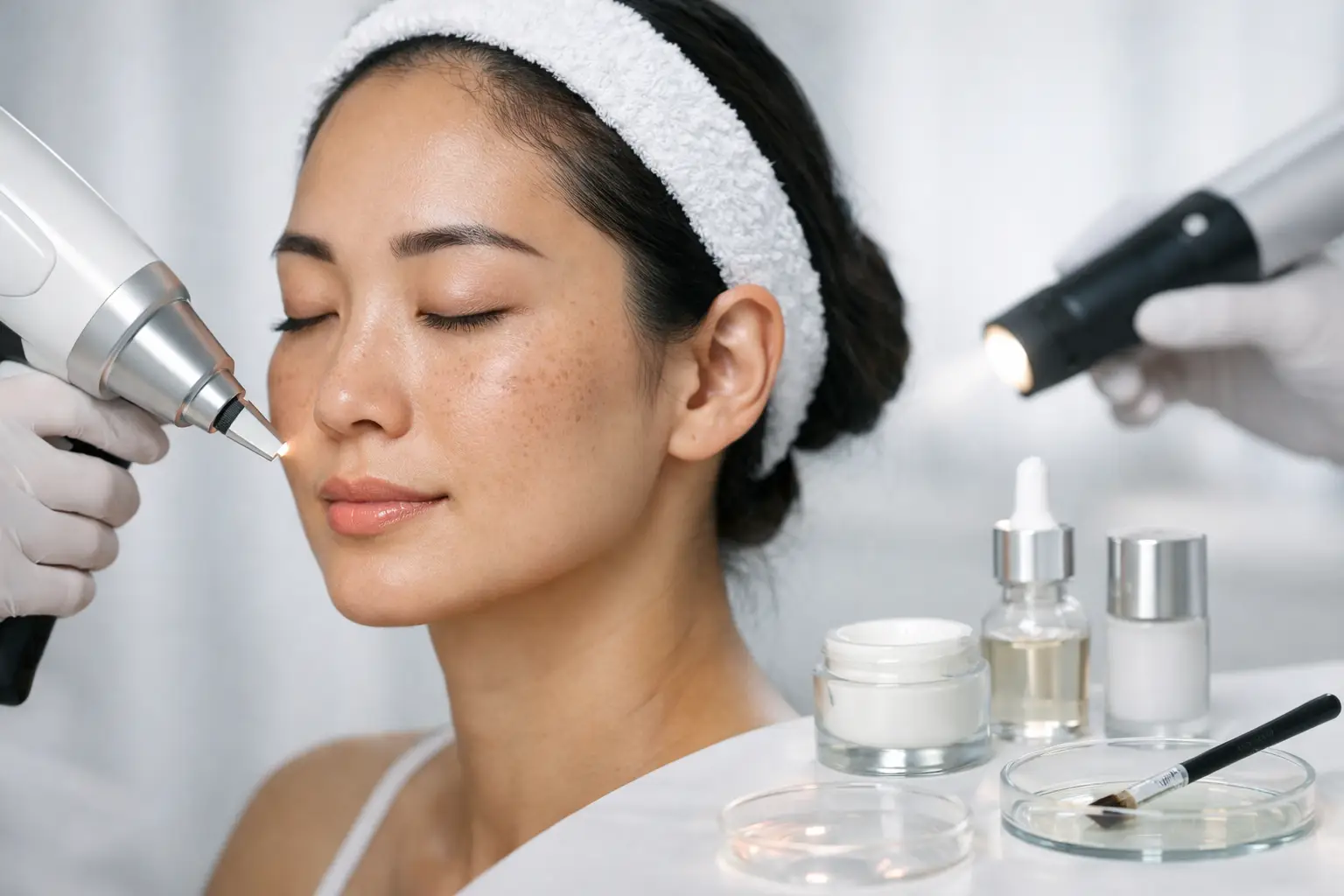
Energy-based treatments, utilizing focused vascular lasers or intense pulsed light technologies, offer a non-invasive alternative to injection-based therapy. These modalities operate on the principle of selective photothermolysis. The device emits targeted wavelengths of light energy that are selectively absorbed by hemoglobin—the oxygen-carrying pigment within the blood—rather than the surrounding skin tissue. As the targeted hemoglobin absorbs the optical energy, it converts into thermal energy. This rapid increase in localized heat coagulates the blood and safely damages the vessel wall, leading to the collapse of the vein. Energy-based treatments are often preferred for very fine spider veins, vessels located on the face where skin is more delicate, or for patients who may be averse to needles.
Combination Approaches
In many clinical scenarios, spider veins present across a spectrum of sizes and depths. Medical practitioners may utilize a combination of injection-based and energy-based modalities within a comprehensive treatment plan to manage the condition comprehensively. Larger feeder veins might be treated first with sclerotherapy to restrict primary blood flow, followed by energy-based applications in subsequent sessions to clear the remaining fine, superficial capillary networks.
The Treatment Process and Patient Journey
Understanding the step-by-step progression of a vein treatment protocol helps individuals manage their expectations and adhere smoothly to necessary pre- and post-procedural guidelines.
Pre-Treatment Preparation
Safety and efficacy during any medical aesthetic procedure begin with proper preparation. Prior to treatment, patients are generally advised to avoid prolonged sun exposure and tanning activities, as increased melanin production can interfere with energy-based skin treatments and elevate the risk of skin discoloration. Practitioners may also require patients to temporarily pause the use of certain supplements or medications that possess blood-thinning properties, provided it is medically safe to do so. This step is crucial for minimizing the risk of excessive bruising or bleeding during injection-based procedures. Hydration and arriving with clean, un-moisturized skin are also standard pre-procedural requests.
What Happens During the Procedure
Vein treatments are typically conducted as outpatient procedures within a clinical setting, without the need for general anesthesia. During sclerotherapy, the skin is sterilized, and a practitioner systematically injects the sclerosant into the mapped veins. Patients may experience a mild, temporary stinging or cramping sensation as the solution enters the vessel. When undergoing energy-based treatments, specialized eye protection is provided. The device handpiece is methodically passed over the targeted areas. Each pulse of energy often feels akin to the quick snap of a rubber band against the skin, followed by a sensation of warmth. Cooling mechanisms integrated into the devices, or topical cooling gels, may be utilized to enhance patient comfort. The duration of the procedure varies depending on the size and location of the treatment area, usually taking between twenty to forty-five minutes.
Post-Treatment Care and Recovery
Diligent post-treatment aftercare is pivotal for supporting the body’s healing process and minimizing potential adverse effects. For leg vein treatments, medical practitioners frequently strongly advocate the use of medical-grade compression stockings. Worn for a designated period, these garments apply sustained pressure, helping to keep the treated veins compressed while reducing swelling and the risk of blood clots. Patients are generally encouraged to maintain light, regular mobility—such as walking—to encourage healthy circulation, but are advised to strictly refrain from vigorous, high-impact cardiovascular exercise, heavy weightlifting, and extended periods of inactivity for a few days to a week. Additionally, exposure to extreme heat, such as saunas, hot tubs, or excessively hot showers, must be avoided, as heat naturally dilates blood vessels, which counteracts the intended effects of the treatment.
If you’re looking for effective treatments for spider veins in Singapore, you might find it helpful to explore various options available in the aesthetic industry. A related article discusses a multi-laser approach to pigmentation, which highlights the advancements in laser technology that can also be beneficial for vein treatments. You can read more about this innovative method by visiting this informative article. Understanding these techniques can help you make an informed decision about your treatment options.
Risks, Suitability, and Managing Expectations
| Metrics | Data |
|---|---|
| Number of cases in Singapore | Approximately 30% of adults |
| Common treatment options | Sclerotherapy, laser therapy, radiofrequency ablation |
| Specialists | Dermatologists, vascular surgeons |
| Risk factors | Heredity, pregnancy, obesity, prolonged standing |
As with any medical intervention, understanding the inherent considerations regarding safety, suitability, and the trajectory of visible outcomes is necessary before embarking on a treatment plan.
Potential Side Effects and Complications
While spider vein treatments are well-established and generally tolerated, they are not without potential side effects. Commonly observed, transient post-procedure reactions include localized erythema (redness), mild swelling, and bruising along the treatment site. These typically resolve independently within a few days to weeks.
Specifically with sclerotherapy, hyperpigmentation—a brownish discoloration along the treated vein pathway—can occasionally occur. This is known as hemosiderin staining and happens when iron from the degrading red blood cells becomes trapped in the skin tissue. While it mostly fades gradually over months, it can sometimes be persistent. Another potential but infrequent side effect is “matting,” which refers to the development of a network of highly superficial, extremely fine new blood vessels near the treated area. Severe complications such as allergic reactions to sclerosants, skin ulcerations, or deep vein thrombosis (DVT) are rare, but represent the primary reasons why these procedures must be performed by qualified medical professionals who can appropriately manage such risks.
Who is a Suitable Candidate?
Determining patient suitability is a vital component of the consultation phase. The ideal candidate is an adult in good overall health with realistic expectations concerning the outcome of the procedures. However, there are established contraindications. Women who are pregnant or nursing are generally advised to postpone spider vein treatments. Furthermore, individuals with a history of blood clotting disorders, active skin infections in the treatment area, severe peripheral arterial disease, or those currently on prescribed, un-adjustable anticoagulant therapies may not be deemed medically suitable for these interventions. A comprehensive assessment is strictly needed to ensure patient safety.
Understanding Realistic Outcomes and Maintenance
It is crucial for individuals to understand that spider vein treatments do not yield immediate results, nor can any medical practitioner offer absolute guarantees or definitive permanence. The human body requires time to physiologically respond to the treatment—whether that involves clearing the fibrotic tissue from an injection or processing the coagulated blood from an energy-based session. Improvements may take several weeks to a few months to become fully apparent. In most instances, a single session is insufficient. Achieving optimal clearing typically requires a series of treatments, spaced strategically over several weeks.
Furthermore, while therapies may help improve the appearance of existing telangiectasias, they do not cure the underlying genetic or systemic predispositions that cause venous walls to weaken. Over time, it is entirely possible, and indeed quite common, for new spider veins to develop in adjacent areas of the body. Many patients may require periodic maintenance treatments in subsequent years to manage new localized venous dilation.
If you’re looking for effective treatments for spider veins in Singapore, you might find it helpful to explore various skin enhancement options available in the region. For instance, a related article discusses the benefits of skin boosters, which can improve overall skin texture and appearance, potentially complementing treatments for spider veins. You can read more about this in the article on skin boosters here.
Conclusion
Understanding the etiology and clinical management of spider veins is the first step toward addressing both their cosmetic and mild symptomatic implications. Through established modalities ranging from injection-based sclerotherapy to targeted energy-based interventions, modern aesthetic medical practices in Singapore offer diverse, methodical approaches tailored to individual anatomical needs.
However, because vascular health is complex, these pathways must be navigated with appropriate clinical oversight. Accurate diagnosis, thorough pre-and post-procedural care, and a realistic understanding of potential risks and required timelines are fundamental. Individuals seeking to address spider veins are strongly advised to engage in a detailed consultation with a qualified medical practitioner, who can formulate a customized, medically sound treatment plan focused on long-term safety and individualized well-being.
FAQs
What are spider veins?
Spider veins are small, damaged veins that can appear on the surface of the legs or face. They often look like a spider web or tree branches with their short, jagged lines.
What causes spider veins?
Spider veins can be caused by a variety of factors, including genetics, hormonal changes, pregnancy, obesity, prolonged standing or sitting, and sun exposure. They are more common in women and can also be a result of aging.
How are spider veins treated in Singapore?
In Singapore, spider veins can be treated through various methods such as sclerotherapy, laser therapy, and intense pulsed light (IPL) therapy. These treatments aim to close off the affected veins or reduce their appearance.
Are spider vein treatments in Singapore safe?
Yes, spider vein treatments in Singapore are generally safe when performed by qualified and experienced medical professionals. However, as with any medical procedure, there are potential risks and side effects that should be discussed with a healthcare provider.
Can spider veins be prevented?
While spider veins cannot always be prevented, there are some measures that can help reduce the risk of developing them. These include maintaining a healthy weight, exercising regularly, avoiding prolonged sitting or standing, wearing compression stockings, and protecting the skin from sun exposure.