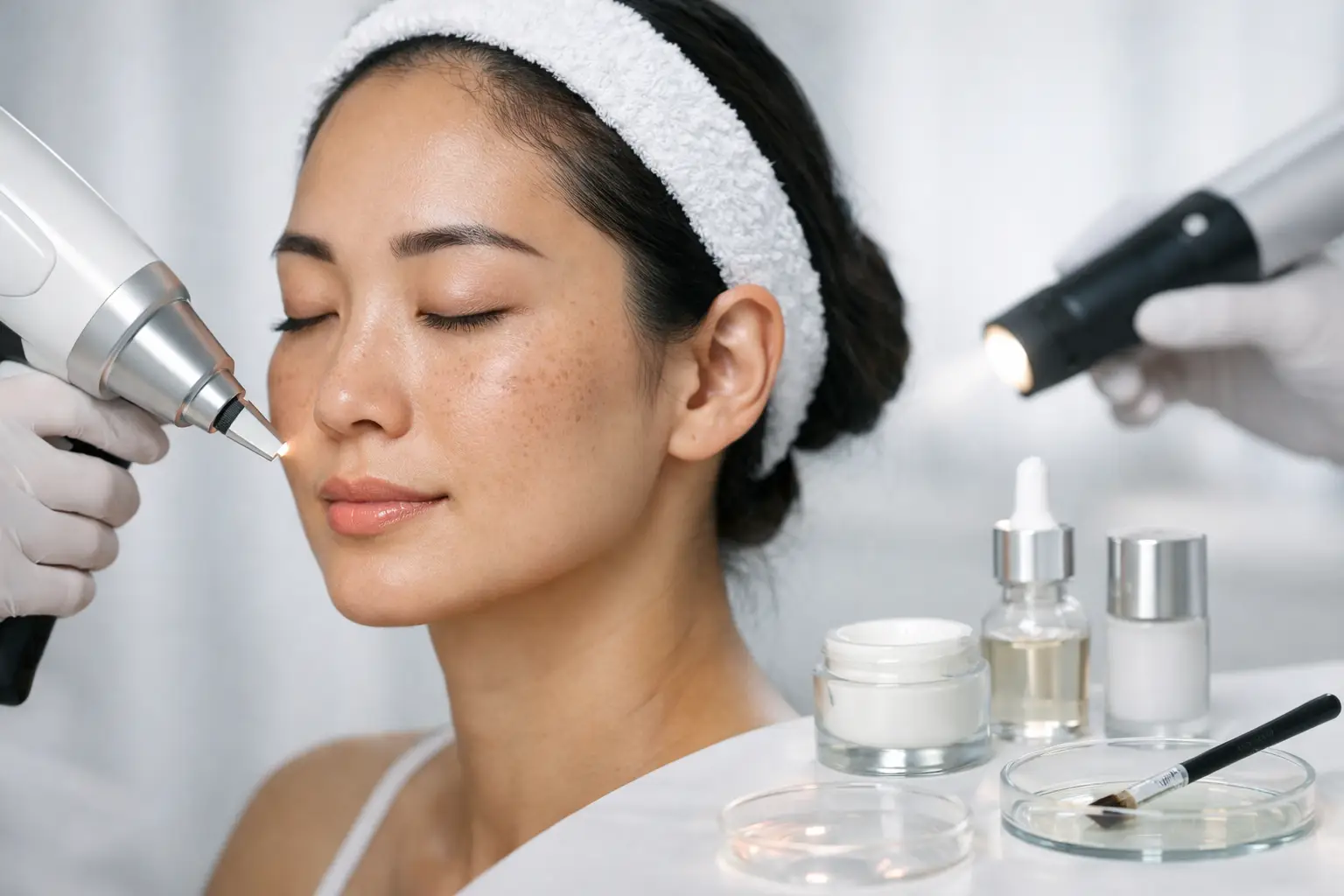
Skin pigmentation is one of the most common dermatological concerns experienced by individuals, particularly in regions with high year-round sun exposure. Uneven skin tone, dark spots, and widespread discoloration may affect an individual’s confidence and overall skin health. As aesthetic medicine continues to evolve, energy-based skin treatments, such as pigmentation laser treatments, have become widely utilised to help address these concerns. While these treatments offer a structured approach to managing discoloration, it is essential to understand the underlying physiological processes, the science behind laser therapy, and the multifaceted nature of skin management.
Before exploring the mechanics of laser treatments, it is crucial to understand how skin pigmentation develops. Pigmentation refers to the colouring of the skin, which is primarily determined by a biological pigment known as melanin.
The Role of Melanin in the Skin
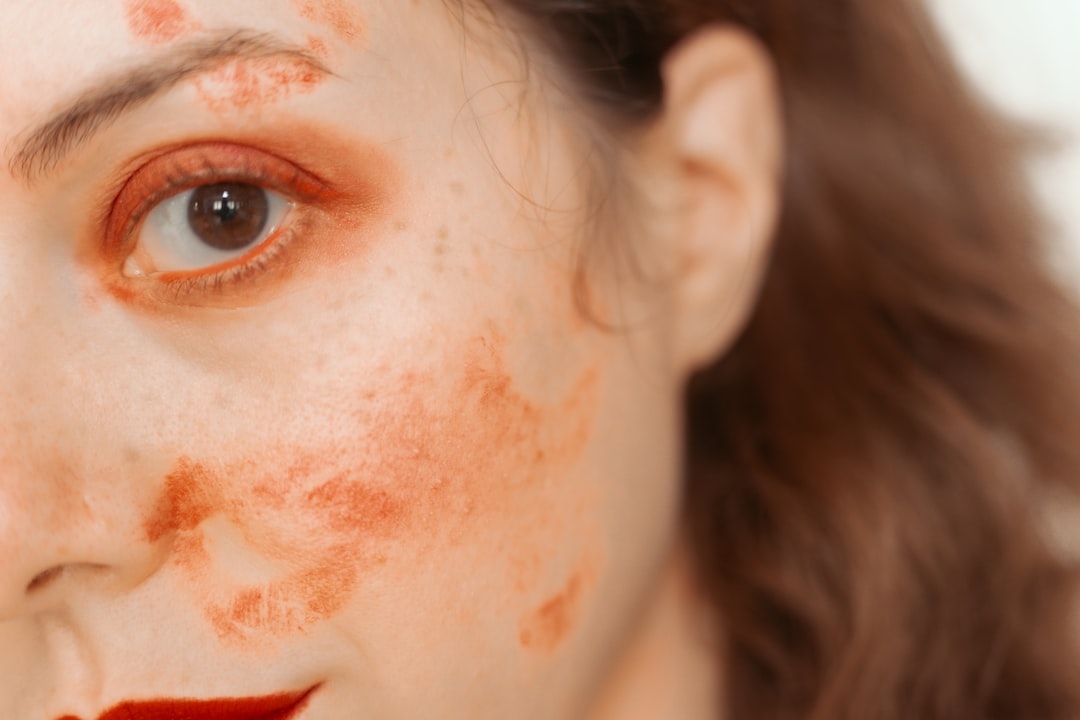
Melanin is produced by specialised cells called melanocytes, which are located in the basal layer of the epidermis (the outermost layer of the skin). Through a process known as melanogenesis, these cells synthesise melanin and distribute it to surrounding skin cells (keratinocytes). Melanin serves a vital protective function; it helps to absorb and scatter ultraviolet (UV) radiation from the sun, thereby reducing the risk of DNA damage to the skin cells. However, when melanocytes become overactive or cluster together in high concentrations, they produce excessive amounts of melanin. This localised overproduction results in visible dark spots or patches, a condition broadly referred to as hyperpigmentation.
Environmental, Hormonal, and Genetic Triggers
The overproduction of melanin is rarely caused by a single factor. Several internal and external elements can trigger or exacerbate hyperpigmentation. The most significant external factor is cumulative exposure to UV radiation from the sun. When the skin is exposed to UV rays, melanocytes are stimulated to produce more melanin as a defence mechanism.
Internal factors also play a substantial role. Hormonal fluctuations—often associated with pregnancy, oral contraceptive use, or underlying endocrine conditions—can stimulate melanocyte activity. Furthermore, genetics heavily influence an individual’s baseline skin colour and their susceptibility to developing certain types of pigmentation. Lastly, chronological aging contributes to a decrease in the steady regulation of melanin, leading to the uneven distribution of pigment as one grows older.
Pigmentation laser treatment is an effective option for addressing various skin concerns, including uneven skin tone and age spots. For those considering this treatment, it’s essential to be informed about related procedures that may also enhance skin appearance. A relevant article that provides valuable insights is titled “Here’s What to Know Before Removing Moles & Skin Lesions,” which discusses important factors to consider before undergoing any skin-related treatments. You can read more about it by following this link: Here’s What to Know Before Removing Moles & Skin Lesions.
Identifying Common Pigmentary Conditions
Human skin is complex, and hyperpigmentation does not manifest in just one way. Proper identification of the specific pigmentary condition is a critical step, as different conditions reside in different layers of the skin and respond differently to various energy-based skin treatments.
Solar Lentigines and Ephelides
Often referred to as sun spots, age spots, or liver spots, solar lentigines are well-defined, flat, and darkened areas of the skin that typically appear on sun-exposed regions such as the face, hands, shoulders, and arms. They are a direct result of chronic, long-term UV exposure. Ephelides, commonly known as freckles, are smaller spots that are largely determined by genetics but darken significantly upon sun exposure. Both of these conditions generally represent superficial pigmentation, residing primarily in the epidermis.
Melasma and Hormonal Pigmentation
Melasma presents as symmetrical, brownish or greyish patches, usually on the cheeks, bridge of the nose, forehead, and upper lip. It is strongly linked to hormonal changes and is notoriously exacerbated by sun exposure and even ambient heat. Melasma is considered a complex condition because the excessive pigment can be located in the superficial epidermis, the deeper dermis, or a combination of both. Because of its complex nature and tendency to recur, melasma requires careful, long-term management rather than a single definitive treatment.
Post-Inflammatory Hyperpigmentation (PIH)
Post-inflammatory hyperpigmentation (PIH) occurs as a response to skin injury or inflammation, such as acne lesions, eczema flare-ups, burns, or harsh cosmetic procedures. During the healing process, the skin may overproduce melanin, leaving behind a persistent dark mark long after the initial injury has resolved. PIH can affect individuals of all skin types but is more prevalent and often more persistent in individuals with darker skin tones.
The Science Behind Pigmentation Laser Treatments
Pigmentation laser treatments and other energy-based skin treatments are designed to target and manage these unwanted clusters of melanin. The application of laser technology in dermatology relies on precise principles of physics and biology.
Principles of Selective Photothermolysis
The fundamental concept driving pigmentation laser treatments is selective photothermolysis. In this process, a specific wavelength of light is emitted by the laser device. This light is specifically chosen because it is highly absorbed by the target structure in the skin—in this case, the melanin (the chromophore)—while sparing the surrounding, untargeted tissue. When the melanin absorbs the laser light, the light energy is converted into heat or acoustic energy. This rapid absorption causes the pigment particles to shatter into much smaller micro-fragments.
Depth, Wavelengths, and Pulse Durations
Different types of pigmentation sit at different depths within the skin. Consequently, medical practitioners utilise varying wavelengths of laser light to reach the specific depth of the target pigment. Shorter wavelengths may be used for superficial pigment like freckles, while longer wavelengths possess the ability to penetrate deeper into the dermis to target deeper melanin deposits.
Additionally, pulse duration—the amount of time the laser energy is applied to the skin—is critical. Modern pigmentation lasers often utilise exceedingly short pulse durations (measured in nanoseconds or picoseconds). These ultra-short pulses deliver energy so rapidly that they create a photomechanical (acoustic) effect, effectively pulverising the pigment without generating excessive heat that could otherwise damage surrounding collateral skin tissue.
The Body’s Natural Clearance Process
The laser itself does not physically extract the pigment from the skin. Instead, once the melanin clusters are shattered into tiny fragments by the laser energy, the body’s immune system takes over. Specialised scavenger cells called macrophages gradually engulf these shattered microscopic pigment particles and naturally eliminate them through the body’s lymphatic system over a period of weeks. Superficial pigment may also be shed naturally during the skin’s normal cellular turnover process.
The Patient Journey: Navigating the Treatment Process
Undergoing a pigmentation laser treatment involves a structured process, beginning with professional assessment and ending with diligent post-procedure care.
Comprehensive Clinical Assessment
A safe and appropriate treatment plan begins with a thorough consultation with a qualified medical professional. During this assessment, the practitioner evaluates the patient’s complete medical history, lifestyle, and specific skin concerns. The nature, depth, and type of pigmentation must be accurately diagnosed. Sometimes, what appears to be a benign sun spot may require a deeper medical evaluation to rule out other dermatological conditions. The doctor will also discuss any medications or topical products the patient is currently using, as some can increase photosensitivity.
What Happens During the Procedure
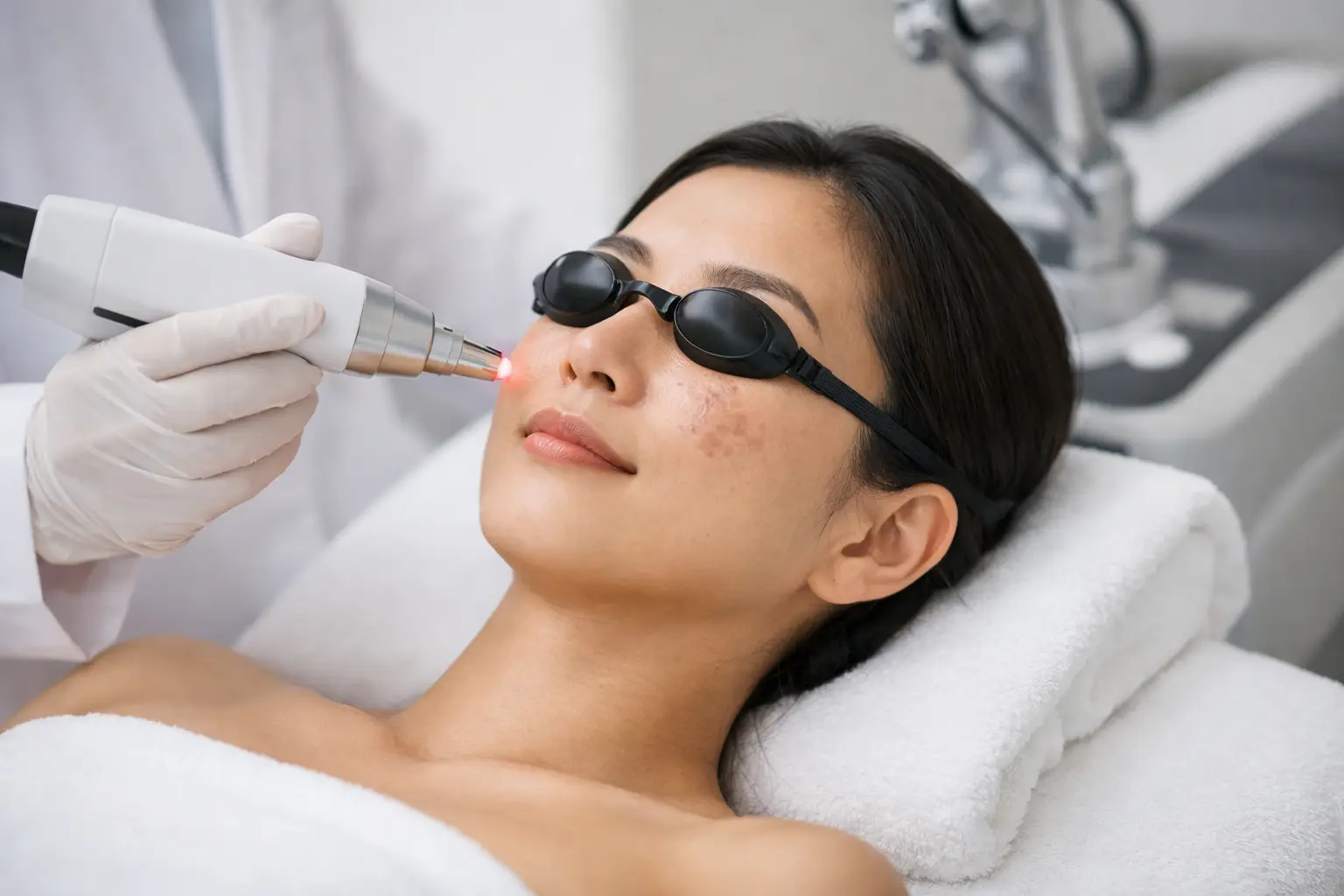
Prior to the procedure, the skin is thoroughly cleansed. Depending on the specific type of energy-based skin treatment being administered and the patient’s pain tolerance, a topical numbing cream may be applied to help minimise discomfort. During the active phase of the treatment, the practitioner directs the laser device over the designated areas.
Patients often report various sensations during the procedure. The most common description is a feeling akin to the snapping of a small rubber band against the skin, accompanied by a mild, fleeting sensation of heat. To enhance patient comfort, many modern laser systems are equipped with integrated cooling mechanisms that continuously direct a stream of cold air onto the skin during the procedure.
Immediate Post-Treatment Recovery Phase
Following the procedure, the treated areas may exhibit temporary physiological responses. Mild erythema (redness) and slight oedema (swelling) are common and typically resemble a mild sunburn. These transient effects usually subside within a few hours to a couple of days.
In the case of superficial pigmentation treatments, it is common for the targeted spots to temporarily darken over the first few days. This represents the fragmenting pigment rising to the surface of the skin. Eventually, these darkened spots may form a microscopic crust and gently flake off on their own. It is imperative that patients do not scratch, pick, or force these flakes off, as doing so may disrupt the healing process and increase the risk of scarring or secondary hyperpigmentation.
Pigmentation laser treatment has gained popularity for its effectiveness in addressing various skin concerns, including age spots and melasma. For those interested in exploring related topics, an insightful article on hair loss treatment offers expert tips and strategies that can complement your understanding of skin health. You can read more about it in this helpful resource, which discusses how overall wellness can impact both skin and hair conditions.
Suitability, Expected Outcomes, and Result Variability
| Treatment Type | Number of Sessions | Duration of Each Session | Recovery Time |
|---|---|---|---|
| Pigmentation Laser Treatment | 3-5 sessions | 20-30 minutes | 1-2 days |
While pigmentation laser treatments may help improve the appearance of uneven skin tone, they are not universally suitable for every individual or every type of skin concern.
Evaluating Individual Suitability for Laser Therapy
Medical professionals carefully evaluate a patient’s Fitzpatrick skin type (a classification system for skin colour and its response to UV light) to determine suitability. Individuals with darker skin tones naturally have more active melanocytes, which means they may carry a slightly higher risk of post-inflammatory responses to heat-based treatments. For these individuals, practitioners may select specific wavelengths or adjust treatment parameters to help ensure the treatment is as safe as possible. Furthermore, patients with active skin infections, certain autoimmune conditions, or those who are pregnant may be advised against undergoing elective energy-based skin treatments.
Understanding That Results Vary Between Individuals
It is vital to maintain realistic expectations regarding aesthetic treatments. Results vary between individuals based on multiple factors, including the type and depth of the pigmentation, genetic predispositions, skin type, and how the individual’s immune system clears the fragmented pigment. Some pigmentation concerns, such as mild superficial freckles, may show noticeable improvement after merely one or two sessions. In contrast, complex conditions like melasma are chronic and require a very cautious, phased approach over multiple sessions. The goal with complex pigmentary issues is typically to help manage and diminish the appearance of the discoloration rather than achieving complete eradication. Absolute claims of “permanent” removal or guaranteed outcomes should be approached with caution, as human skin remains dynamic and continues to react to internal and external stimuli over time.
Potential Risks and Managing Treatment Side Effects
Like all medical procedures, pigmentation laser treatments carry a spectrum of potential risks and side effects. An informed patient is better equipped to manage their recovery and identify if a biological response requires further medical attention.
Common and Transient Skin Reactions
As previously mentioned, mild redness, swelling, and temporary darkening of the spots are considered standard, transient reactions. Some patients may also experience mild dryness or a slightly sandpaper-like texture on the skin as it heals and cellular turnover increases. These common side effects usually self-resolve with proper adherence to the prescribed post-care regimen, which typically includes the use of gentle, barrier-repairing moisturisers.
Mitigating the Risk of Complications
Though relatively rare when treatments are performed by trained medical professionals, more significant complications can occur. These include burns, blistering, or changes in skin texture. Another potential risk is post-inflammatory hyperpigmentation (PIH), where the skin darkens in response to the laser energy. Conversely, hypopigmentation—a loss of skin pigment leaving white patches—is also a risk, particularly if the laser settings are not appropriately calibrated for the patient’s skin type.
To help minimise these risks, it is strongly advised to undergo such treatments only under the supervision of qualified medical personnel who can tailor the treatment parameters safely. Following all specific aftercare instructions provided by the clinic is equally important in mitigating the risk of adverse reactions.
Long-Term Strategies for Maintaining Skin Health
Achieving an improved skin tone through pigmentation laser treatment is only one part of the journey. Maintaining the health of the skin and managing future pigmentation requires ongoing dedication to skincare and lifestyle adjustments. Laser treatments do not halt the natural aging process, nor do they confer immunity against future sun damage.
The Essential Role of Sun Protection
The single most important step in maintaining skin health and preventing the recurrence of pigmentation is strict sun protection. UV radiation acts as a constant trigger for melanocytes. Patients are advised to apply a broad-spectrum sunscreen with a high Sun Protection Factor (SPF) daily, regardless of the weather or whether they intend to spend time indoors, as UV rays can penetrate windows. Sunscreen should be reapplied regularly, especially after sweating or swimming. In addition to topical sun protection, physical barriers such as wide-brimmed hats, sunglasses, and UV-protective clothing offer an excellent secondary line of defence against environmental damage.
Complementary Lifestyle and Skincare Adjustments
Post-treatment, incorporating a specifically tailored skincare routine may assist in maintaining long-term skin health. Medical professionals may recommend the use of topical formulations containing ingredients designed to support the skin’s barrier or gently regulate melanin production, such as vitamin C, niacinamide, or specific acids. However, it is important to introduce these active ingredients only after the skin has fully recovered from the laser treatment, and under professional guidance, to prevent unnecessary irritation.
Furthermore, general lifestyle factors significantly influence skin vitality. Staying adequately hydrated, maintaining a balanced diet rich in antioxidants, and managing stress can inadvertently support skin health. Chronic stress and lack of sleep can disrupt hormonal balances, which, as noted, is a potential trigger for certain types of pigmentation.
Ultimately, addressing skin pigmentation is a collaborative effort between the individual and their healthcare provider. Through a combination of accurate medical assessment, appropriate energy-based skin treatments, and diligent long-term protective habits, individuals may successfully manage their skin concerns and support the overall revitalisation of their skin. Please note that all long-term regimens should be periodically reviewed by a medical professional to accommodate the changing needs of the skin over time.
FAQs
What is pigmentation laser treatment?
Pigmentation laser treatment is a non-invasive procedure that uses laser technology to target and reduce the appearance of pigmentation issues on the skin, such as sun spots, age spots, and melasma.
How does pigmentation laser treatment work?
During the treatment, the laser emits light energy that is absorbed by the pigmented areas of the skin. This energy breaks down the pigmentation, allowing the body to naturally eliminate the discolored cells and promote the growth of new, evenly pigmented skin cells.
Is pigmentation laser treatment safe?
When performed by a qualified and experienced professional, pigmentation laser treatment is generally considered safe. However, there may be some risks and side effects, such as temporary redness, swelling, or changes in pigmentation. It is important to consult with a dermatologist or licensed practitioner to determine if the treatment is suitable for your skin type and condition.
How many sessions are typically needed for pigmentation laser treatment?
The number of sessions required for pigmentation laser treatment can vary depending on the individual’s skin type, the severity of the pigmentation, and the specific laser technology used. In general, multiple sessions spaced several weeks apart may be necessary to achieve optimal results.
What should I expect during and after pigmentation laser treatment?
During the treatment, patients may experience a mild tingling or stinging sensation as the laser is applied to the skin. After the treatment, the skin may appear red and slightly swollen, but these effects typically subside within a few days. It is important to follow post-treatment care instructions provided by the practitioner to ensure proper healing and minimize the risk of complications.