The landscape of medical aesthetics in Singapore has evolved significantly, integrating advanced medical science with an emphasis on patient safety and education. For individuals residing in or visiting regions such as Serangoon, access to aesthetic medical services has become increasingly convenient. However, navigating the myriad of available treatments requires a foundational understanding of what these procedures entail, their underlying medical principles, and the regulatory environment that governs them. Aesthetic medicine is a specialized medical field focused on treating skin conditions, addressing signs of aging, and supporting overall dermatological health. As with any medical discipline, it is governed by clinical guidelines, and treatments must be approached with informed consideration rather than viewing them through a purely cosmetic lens.
The practice of aesthetic medicine in Singapore operates under a strict framework designed to prioritize patient wellbeing. Aesthetic clinics located in Serangoon and throughout the country are subject to stringent oversight, ensuring that all procedures are conducted by licensed medical practitioners in appropriate clinical settings.
Adherence to the Healthcare Services Act (HCSA)
The Ministry of Health (MOH) regulates aesthetic practices under guidelines such as the Healthcare Services Act (HCSA). This regulatory framework mandates that aesthetic clinics maintain rigorous standards of hygiene, clinical governance, and ethical practice. Medical practitioners must undergo specific training and obtain appropriate certificates of competence before administering various aesthetic procedures. This robust regulatory environment ensures that clinics utilize registered medical devices and approved pharmacological substances, mitigating potential risks associated with unverified or counterfeit products. By prioritizing clinical standards, the regulatory framework helps to safeguard public health and ensures that patients receive care that is grounded in evidence-based medicine.
The Shift Towards Educational Patient Care
A cornerstone of modern medical aesthetics is the emphasis on patient education. Rather than focusing on promotional rhetoric, reputable clinical practices prioritize transparent communication. This involves educating the patient about the physiological processes of aging, the anatomical structures of the face and body, and the exact mechanisms of proposed treatments. Informed consent is a critical component of this process. Patients must be fully briefed on what a treatment involves, the scientifically proven limitations of the procedure, and the realistic outcomes they can expect. This educational approach strips away exaggerated claims and grounds the patient’s aesthetic journey in clinical reality.
If you’re considering enhancing your appearance before the upcoming festivities, you might find the article on last-minute safe treatments particularly useful. It offers insights into various aesthetic procedures that can help you look your best in no time. For more information, check out the article here: Last Minute Safe Treatments to Get You Looking Snatched This CNY.
Common Modalities in Aesthetic Medicine
Aesthetic clinics offer a spectrum of modalities aimed at addressing various dermatological concerns, from volume loss and dynamic wrinkles to textural irregularities and hyperpigmentation. Understanding the generic categories of these treatments helps patients make informed decisions during their medical consultations.
Botulinum Toxin Treatments for Wrinkle Management
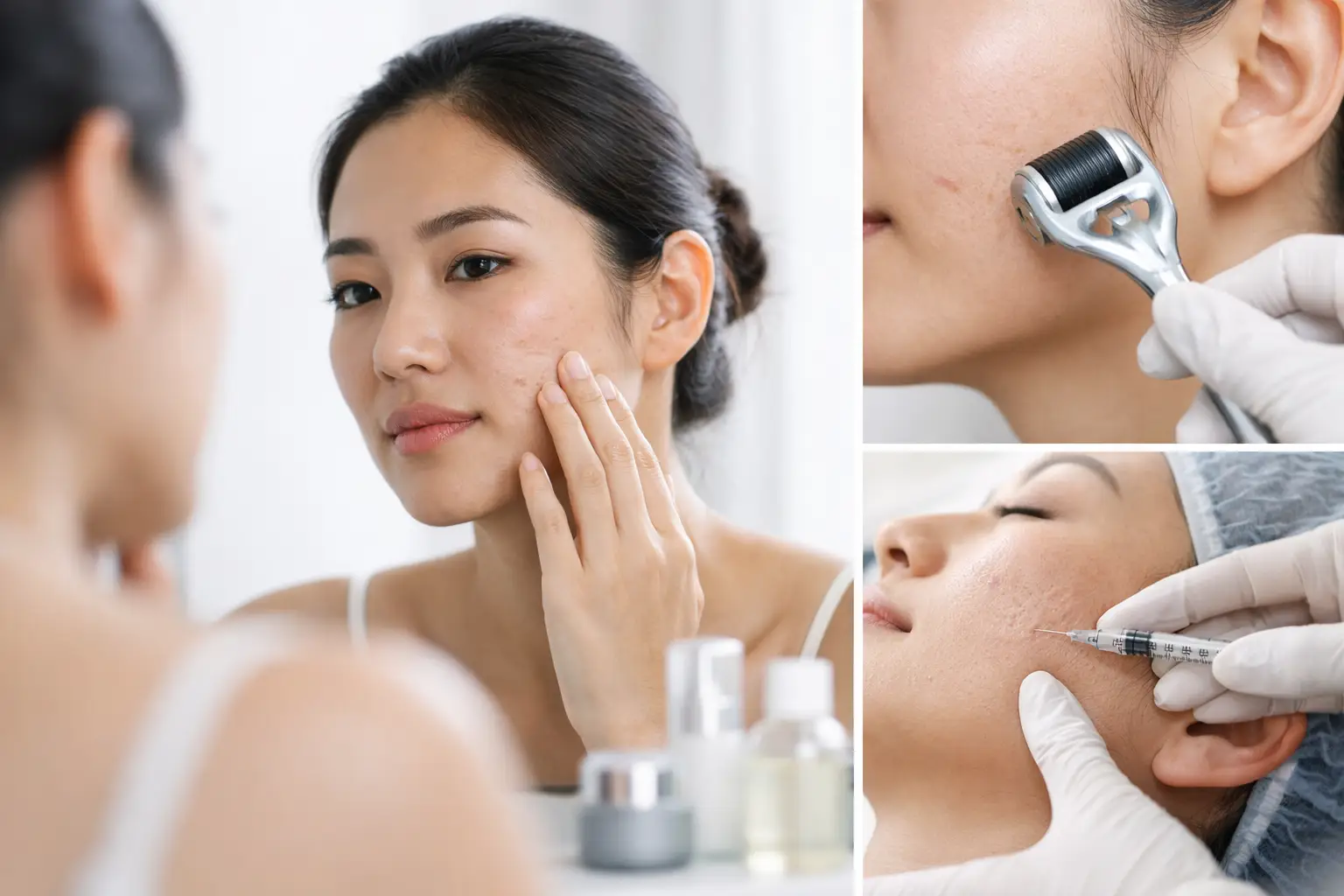
Dynamic wrinkles, such as frown lines, forehead creases, and crow’s feet, are formed by the repeated contraction of underlying facial muscles. Botulinum toxin treatments utilize a purified neurotoxic protein to temporarily disrupt the release of acetylcholine, a neurotransmitter responsible for muscle contraction. By temporarily relaxing specific targeted muscles, this treatment may help improve the appearance of dynamic wrinkles, resulting in a smoother overlying skin surface. It is important to note that the effects are transient, typically lasting a few months as the nerve terminals gradually regenerate. The procedure does not yield permanent results, and maintenance sessions are necessary to sustain the cosmetic effect. Furthermore, results vary between individuals depending on muscle mass, metabolism, and the severity of the wrinkles.
Hyaluronic Acid Fillers for Structural Support
As the human face ages, it undergoes structural changes, including the resorption of underlying bone, the depletion and downward migration of subcutaneous fat pads, and a decrease in skin elasticity. Hyaluronic acid filler treatments are frequently utilized to address these structural deficits. Hyaluronic acid is a naturally occurring glycosaminoglycan found in the body’s connective tissues, working to attract and retain localized moisture. When formulated into a stabilized, injectable gel, it can be precisely placed beneath the skin to restore lost volume, provide soft-tissue support, and contour specific facial features. While these fillers are biocompatible and eventually metabolized by the body, the rate of degradation is influenced by individual physiological factors.
Collagen-Stimulating Treatments for Skin Quality
Collagen and elastin are essential proteins that provide the skin with its structural integrity and elasticity. Over time, endogenous collagen production steadily declines, contributing to skin laxity and thinning. Collagen-stimulating treatments involve the injection of biocompatible substances intended to provoke a controlled, subclinical inflammatory response in the deep dermal or subdermal layers. This biological response activates fibroblasts, the cells responsible for synthesizing new collagen fibers. Because this process relies on the body’s natural regenerative capabilities, changes are gradual and develop over several weeks to months. This modality is generally aimed at improving overall skin quality and thickness rather than providing immediate volumetric changes.
Energy-Based Skin Treatments for Complexion and Laxity
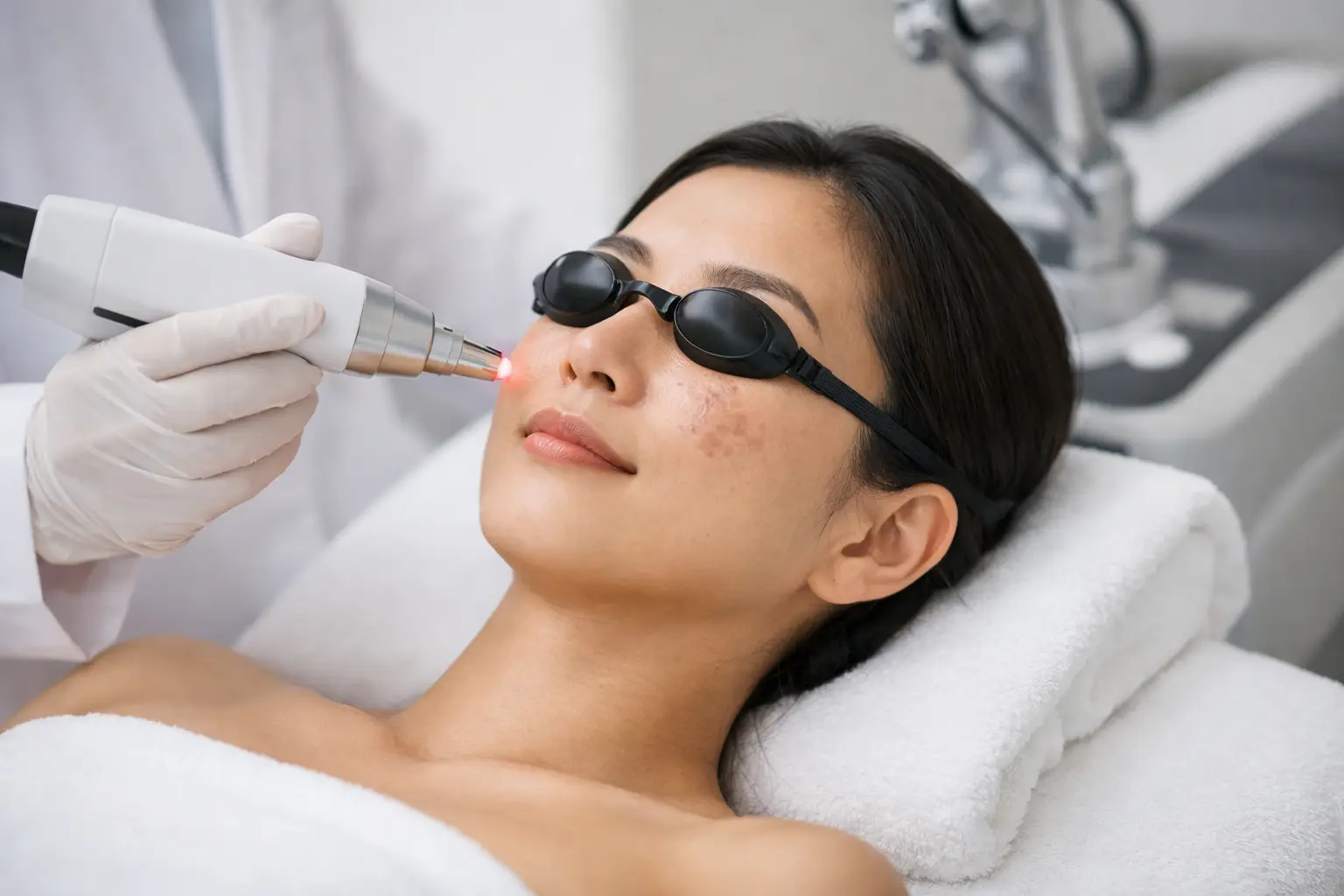
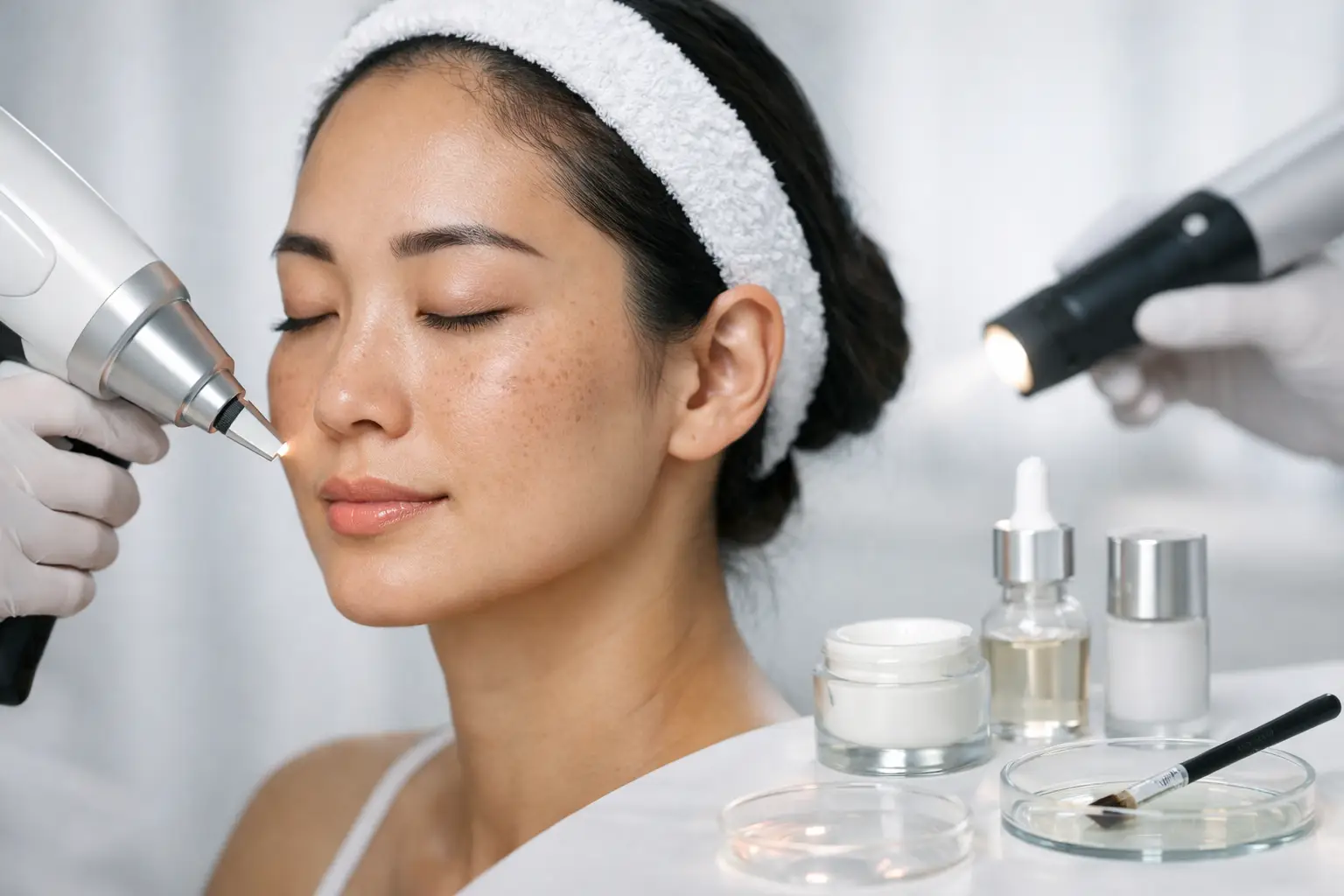
Energy-based skin treatments encompass a broad category of medical devices, including targeted lasers, radiofrequency technology, and focused ultrasound. These modalities work by delivering controlled thermal or acoustic energy into specific layers of the skin. For concerns such as hyperpigmentation, specific light wavelengths are utilized to target and fragment melanin clusters, which the body’s immune system subsequently clears. For skin laxity and textural refinement, thermal energy is directed into the dermis to induce neocollagenesis (the creation of new collagen) and tissue remodeling. Depending on the specific technology used, these treatments may require a series of sessions to achieve the desired clinical endpoint.
The Clinical Consultation: A Prerequisite for Safety
The foundation of any medical aesthetic procedure is a comprehensive clinical consultation. A standardized, one-size-fits-all approach is generally ineffective and potentially unsafe in medical aesthetics. A thorough evaluation by a qualified physician in a Serangoon aesthetic clinic is necessary to determine the most appropriate course of action.
Comprehensive Skin and Anatomical Assessment
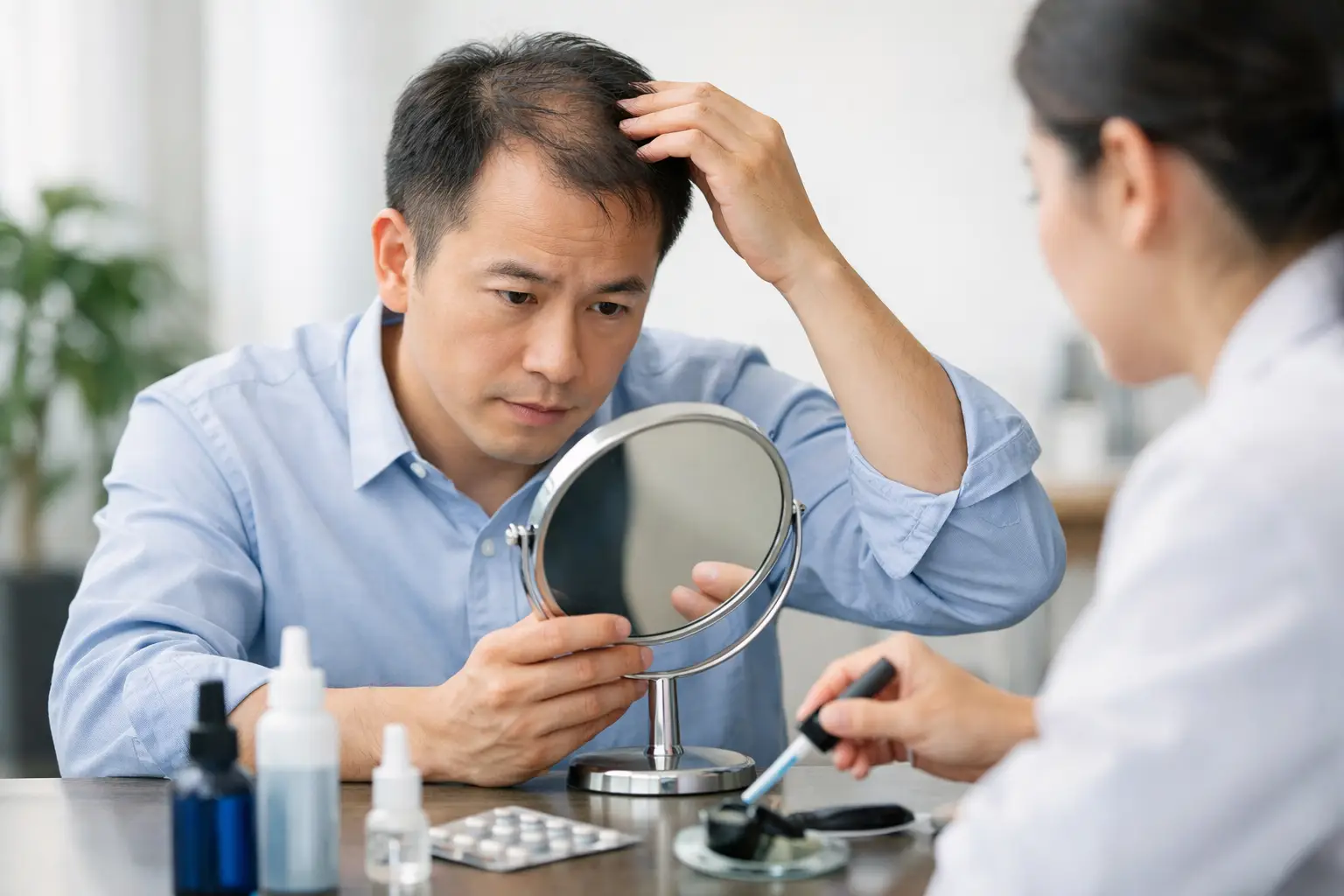
During the initial consultation, the medical practitioner will conduct a detailed examination of the patient’s facial anatomy, skin type (often utilizing the Fitzpatrick scale), and overall dermatological health. The doctor will evaluate the degree of photoaging, the distribution of facial volume, and the symmetry of dynamic muscle movements. Additionally, a comprehensive medical history must be actively reviewed. This includes discussing any pre-existing medical conditions, previous aesthetic procedures, known allergies, and current medications or supplements, as certain systemic factors can directly influence treatment viability and recovery.
Developing an Individualised Treatment Plan
Following the clinical assessment, the physician will formulate a customized treatment plan tailored to the patient’s unique physiological markers and aesthetic objectives. This plan is highly individualized; a treatment suitable for a patient in their thirties exhibiting early signs of photoaging will differ significantly from the approach required for a patient in their sixties experiencing severe structural volume depletion. The practitioner will discuss the rationale behind the recommended modalities, outlining how each specific procedure addresses the patient’s concerns while strictly adhering to established safety protocols.
Recognizing Inherent Risks and Individual Variability
Medical aesthetic procedures, ranging from injectables to energy-based devices, carry inherent risks. It is a fundamental ethical requirement for aesthetic clinics to ensure that patients are fully aware of these potential adverse events before proceeding. Absolute safety can never be claimed in any medical field, and acknowledging this is a vital part of responsible clinical practice.
Assessment of Medical Suitability
Not all individuals are suitable candidates for aesthetic procedures. Contraindications exist for nearly every treatment modality. For example, individuals who are pregnant, breastfeeding, or suffering from active localized skin infections (such as severe acne breakouts or cold sores) are generally advised to postpone injectable treatments. Furthermore, patients with certain autoimmune conditions, neuromuscular disorders, or a history of hypertrophic scarring may be precluded from undergoing specific collagen-stimulating or energy-based skin treatments altogether. A rigorous screening process is essential to minimize complications.
Possible Side Effects and Complications
Patients must be educated on the potential side effects associated with their chosen treatments. Common, relatively mild side effects of injectable procedures include temporary erythema (redness), localized edema (swelling), ecchymosis (bruising), and minor tenderness at the injection site. However, more severe complications, while rare, are medically possible. For instance, the inadvertent injection of dermal fillers into a blood vessel can lead to vascular occlusion, potentially resulting in tissue necrosis if not immediately identified and medically managed. Energy-based treatments carry risks of post-inflammatory hyperpigmentation, particularly in individuals with darker skin tones, as well as the potential for thermal superficial burns.
Managing Expectations and Understanding Downtime
A critical aspect of the consultation is establishing realistic patient expectations. Practitioners must avoid offering guaranteed outcomes, as human biological responses are unpredictable. Results vary between individuals, and it is crucial for patients to understand that aesthetic medicine aims for improvement rather than perfection. Furthermore, patients must be prepared for potential social downtime. While many minimally invasive treatments are colloquially referred to as “lunchtime procedures,” the physiological reality of local swelling or bruising may necessitate several days of recovery before the intended outcome becomes visibly stabilized.
If you’re considering treatments at an aesthetic clinic in Serangoon, it’s essential to be informed about common pitfalls to avoid during your journey. For instance, understanding the nuances of pigmentation treatment can significantly impact your results. You might find valuable insights in this article about the mistakes you don’t want to make when treating pigmentation in Singapore. It offers practical advice that can help you make more informed decisions about your aesthetic treatments. To read more, check out the article here.
The Importance of Post-Treatment Care and Maintenance
| Service | Price | Duration |
|---|---|---|
| Facial Treatment | SGD 150 | 60 minutes |
| Botox Injection | SGD 500 | 30 minutes |
| Dermal Fillers | SGD 800 | 45 minutes |
| Laser Hair Removal | SGD 200 | 30 minutes |
The responsibility of achieving and maintaining clinical outcomes extends beyond the clinic environment. Proper post-procedural care and long-term dermatological maintenance are critical components of the medical aesthetic journey, requiring active participation from the patient.
Immediate Aftercare Guidelines
Following any aesthetic procedure, the attending physician will provide specific aftercare instructions designed to optimize the healing process and minimize the risk of secondary complications. Common immediate protocols often include avoiding direct ultraviolet (UV) exposure, refraining from strenuous cardiovascular exercise for twenty-four to forty-eight hours, and minimizing the consumption of alcohol, which can exacerbate swelling and bruising. Patients are also typically advised to avoid aggressive rubbing or massaging of treated areas, particularly following specific injectables, to prevent the unintended migration of the administered product. Strict adherence to proper hand hygiene and avoiding the application of non-sterile cosmetics immediately post-procedure are recommended to mitigate the risk of bacterial infection.
Long-Term Skin Health Maintenance
Aesthetic interventions are not standalone cures for the aging process; biological aging continues regardless of the treatments received. Therefore, long-term maintenance is essential. Medical practitioners frequently emphasize the integration of evidence-based skincare practices into the patient’s daily routine. The most critical component of this regimen is the diligent, daily application of broad-spectrum sunscreen to protect against UV-induced collagen degradation and melanogenesis. Additionally, the strategic use of topical barrier-repair ingredients and antioxidants can support cellular health and prolong the visible benefits of in-clinic treatments.
Sequential Treatments and Ongoing Assessment
Because the outcomes of modalities such as botulinum toxin treatments, hyaluronic acid fillers, and collagen-stimulating treatments are naturally metabolized over time, sequential maintenance sessions are required. The timeline for these follow-up sessions varies highly among patients. Regular reviews at the aesthetic clinic allow the medical practitioner to monitor the longevity of the results, assess any gradual anatomical changes, and adjust the ongoing treatment plan accordingly. This longitudinal approach ensures that the patient’s evolving dermatological needs are met with appropriate, safe, and medically sound interventions over time.
FAQs
What services are offered at an aesthetic clinic in Serangoon?
An aesthetic clinic in Serangoon may offer a range of services including facial treatments, body contouring, hair removal, skin rejuvenation, and anti-aging treatments.
What qualifications do the staff at an aesthetic clinic in Serangoon have?
The staff at an aesthetic clinic in Serangoon typically have professional qualifications and certifications in areas such as dermatology, plastic surgery, or aesthetic medicine. They may also have specific training in the use of aesthetic equipment and procedures.
Are the treatments at an aesthetic clinic in Serangoon safe?
When performed by qualified and experienced professionals, the treatments at an aesthetic clinic in Serangoon are generally safe. It is important to follow the pre and post-treatment care instructions provided by the clinic to minimize any potential risks.
How long do the results of treatments at an aesthetic clinic in Serangoon last?
The duration of results from treatments at an aesthetic clinic in Serangoon can vary depending on the specific treatment and individual factors such as skin type and lifestyle. Some treatments may provide long-lasting results, while others may require maintenance sessions to sustain the effects.
What should I consider when choosing an aesthetic clinic in Serangoon?
When choosing an aesthetic clinic in Serangoon, it is important to consider factors such as the qualifications and experience of the staff, the range of services offered, the safety measures in place, and the clinic’s reputation and customer reviews. It is also advisable to schedule a consultation to discuss your specific needs and expectations before undergoing any treatments.