Hair loss is a common dermatological condition that affects both men and women to varying degrees. In Singapore, individuals may experience hair thinning or excessive hair shedding due to a combination of genetic predispositions, environmental stressors, hormonal fluctuations, and lifestyle factors. Addressing hair thinning involves a structured clinical approach, moving away from temporary cosmetic cover-ups toward medical and evidence-based interventions. The primary goal of medical hair restoration is to stabilize hair shedding, support the health of existing hair follicles, and potentially stimulate the growth of new hair. As with any medical intervention, understanding the underlying physiological mechanisms and setting realistic expectations are essential first steps.
To comprehend how hair restoration treatments function, it is necessary to first understand the biological processes that govern hair growth and the underlying causes that disrupt this natural cycle.
The Natural Hair Growth Cycle
Human hair does not grow continuously; rather, it follows a cyclical pattern consisting of three distinct phases. The anagen phase is the active growth period, typically lasting between two to six years. During this time, the cells in the root of the hair divide rapidly, adding to the hair shaft. Following the anagen phase is the catagen phase, a short transitional period lasting a few weeks, during which the hair follicle shrinks and detaches from its blood supply. Finally, the hair enters the telogen phase, a resting period of approximately three months. At the end of the telogen phase, the resting hair sheds, and the follicle re-enters the anagen phase to produce a new hair. In a healthy scalp, these phases are asynchronous, meaning hairs are in different stages at any given time, preventing mass shedding. When this cycle is disrupted, hair loss becomes visually apparent.
Common Clinical Causes
The disruption of the hair growth cycle can stem from multiple systemic or localized factors. Genetics play a predominant role, particularly in patterned hair loss, where individuals inherit a sensitivity to certain androgens (male hormones). Hormonal imbalances, such as those occurring during pregnancy, menopause, or thyroid disorders, can also trigger significant shedding. Furthermore, lifestyle factors commonly seen in modern urban environments—such as chronic psychological stress, inadequate nutritional intake, and irregular sleep patterns—can shift disproportionate numbers of hair follicles into the resting phase.
Primary Classifications of Alopecia
Hair loss, medically referred to as alopecia, presents in several distinct forms. Androgenetic alopecia, commonly known as male or female pattern hair loss, is the most prevalent. It is characterized by progressive miniaturization of the hair follicles, where thick terminal hairs are gradually replaced by fine, short vellus hairs. Telogen effluvium is another common variant characterized by diffuse hair shedding across the entire scalp, typically occurring a few months after a significant physical or emotional stressor, illness, or major dietary change. Alopecia areata is an autoimmune condition in which the body’s immune system mistakenly attacks hair follicles, leading to patchy, well-defined areas of baldness. Proper identification of the alopecia type is a fundamental prerequisite for determining the appropriate management strategy.
If you’re exploring effective hair loss treatments in Singapore, you might find it beneficial to read about the various options available, including innovative solutions like PRP therapy and hair transplants. For a deeper understanding of aesthetic treatments that can complement your hair restoration journey, check out this informative article on Botox: The Beginner’s Guide to Botox: Is It Right for You?. This resource provides insights into how Botox can enhance your overall appearance, potentially boosting your confidence as you address hair loss.
Clinical Diagnosis of Hair Loss in Singapore
Effective management of hair thinning heavily relies on an accurate, medically sound diagnosis. A thorough diagnostic process ensures that the prescribed interventions are tailored to the individual’s specific condition and physiological needs.
Comprehensive Medical Consultation
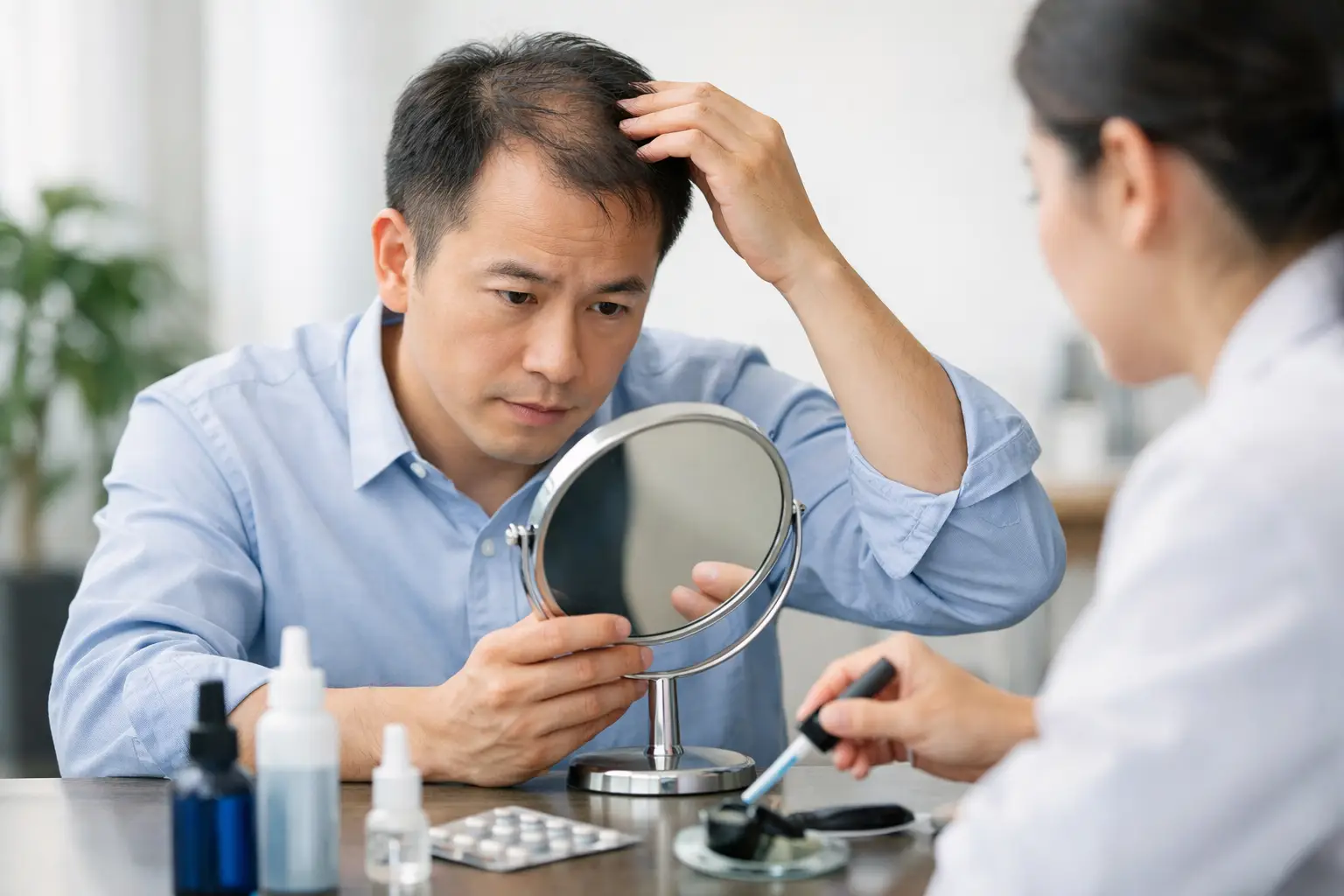
The diagnostic journey typically begins with an in-depth clinical consultation. A medical professional will take a detailed medical history, including the onset and duration of hair loss, family history of alopecia, current medications, recent illnesses, and daily lifestyle habits, including diet and stress levels. Patients are encouraged to discuss their hair care routines and any chemical or thermal treatments they previously utilized. This comprehensive background check helps the clinician differentiate between genetic hair loss and shedding induced by external or systemic factors.
Trichoscopy and Scalp Examination
A physical examination of the scalp is a vital component of the diagnostic process. Medical practitioners frequently employ trichoscopy, a non-invasive imaging technique that uses a specialized magnifying device to examine the scalp and hair follicles in high detail. Trichoscopy provides magnified visualization of the hair shafts, the follicular openings, and the surrounding scalp skin. It allows the clinician to detect distinct signs of miniaturization, inflammation, or scarring that are often invisible to the naked eye. The variation in hair shaft diameters, the presence of empty hair follicles, or specific patterns of scalp pigmentation can firmly guide the practitioner toward an accurate diagnosis.
Laboratory and Blood Investigations
In cases where systemic issues or nutritional deficiencies are suspected as contributing factors, doctors may recommend specific blood tests. These laboratory investigations might include complete blood counts, evaluations of iron studies (such as ferritin levels), thyroid function tests, and assessments of vitamin D and B12 levels. By identifying and simultaneously addressing these foundational systemic issues, the efficacy of any concurrent hair restoration treatments may potentially be enhanced.
Medical and Topical Management Options
For many individuals, early-stage hair thinning can be managed through non-invasive medical approaches. These conventional therapies focus on halting further hair loss and creating a favorable biological environment for hair regrowth.
Topical Hair Growth Solutions
Topical medications applied directly to the scalp are frequently utilized as a first-line intervention. The active pharmacological agents in these clinical solutions are designed to prolong the anagen (growth) phase of the hair cycle and increase the local blood flow to the hair follicles. By dilating the blood vessels around the follicles, these treatments aim to deliver more oxygen, blood, and nutrients, thereby encouraging miniaturized follicles to enlarge and produce thicker hair shafts over time. Consistent, ongoing application is typically required to maintain whatever improvements are achieved, as the cessation of the topical treatment generally leads to a resumption of hair loss.
Oral Prescription Medications
In specific clinical scenarios, particularly for the management of androgenetic alopecia, oral prescription medications may be recommended. These medications often work by inhibiting specific enzymes in the body that convert testosterone into dihydrotestosterone (DHT). Because DHT is the primary androgen responsible for the miniaturization of hair follicles in genetically susceptible individuals, reducing its systemic and localized scalp levels may help slow the progression of hair loss and, in some cases, induce regrowth.
Potential Side Effects and Suitability Considerations
All pharmacological interventions carry potential risks and side effects that must be carefully weighed. Topical solutions may cause local scalp irritation, dryness, or contact dermatitis in a subset of patients. Oral medications can be associated with systemic side effects, which, while uncommon, require thorough discussion with a prescribing physician. Furthermore, not all medications are suitable for all demographics; for instance, certain oral therapies are strictly contraindicated in women of childbearing potential due to the risk of fetal abnormalities. A medical evaluation is strictly necessary to determine suitability.
In-Office Clinical Hair Restoration Treatments
When topical or oral medications are contraindicated, insufficient, or when a synergistic approach is desired, aesthetic and dermatology clinics in Singapore may offer various in-office treatments.
Energy-Based Scalp Treatments
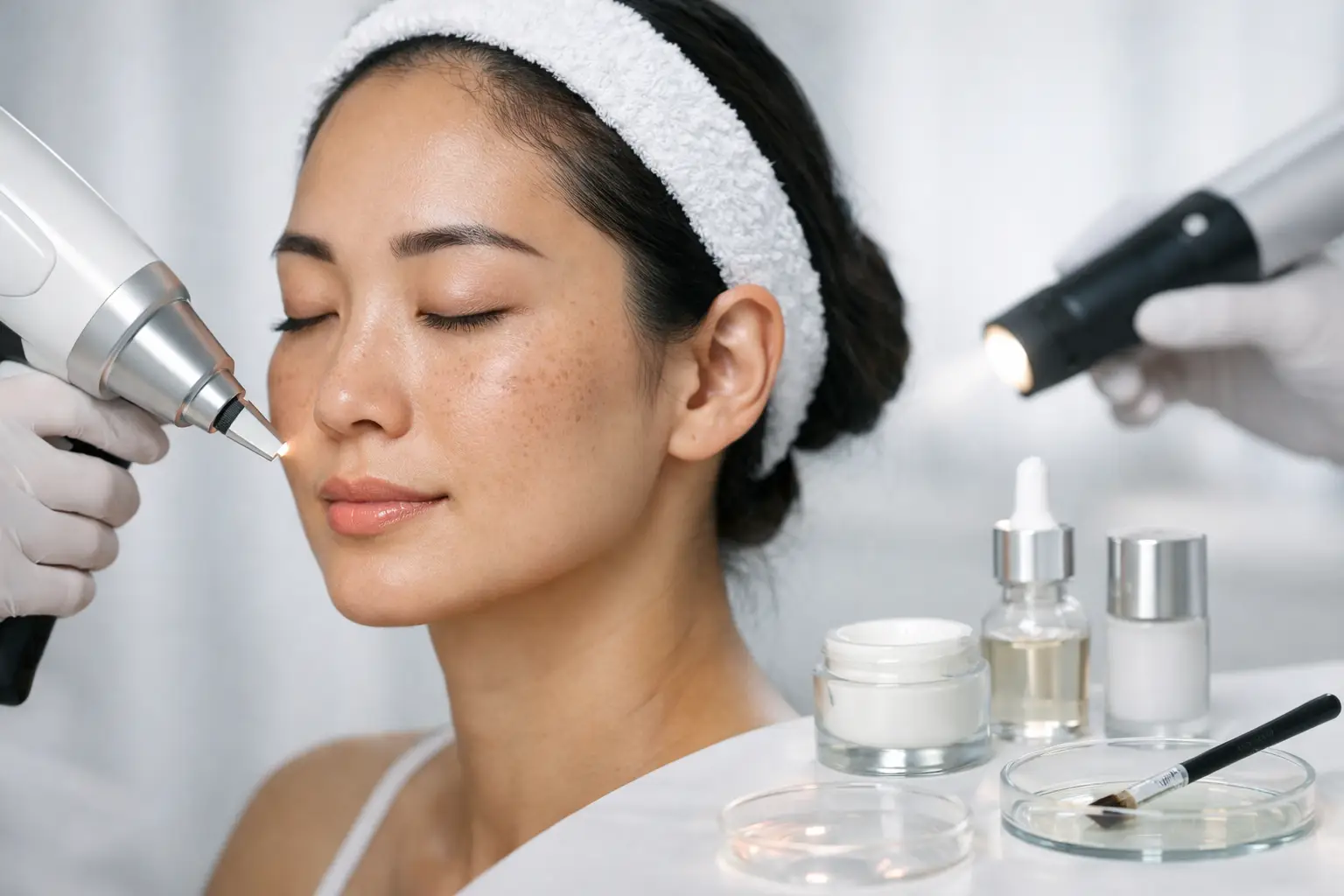
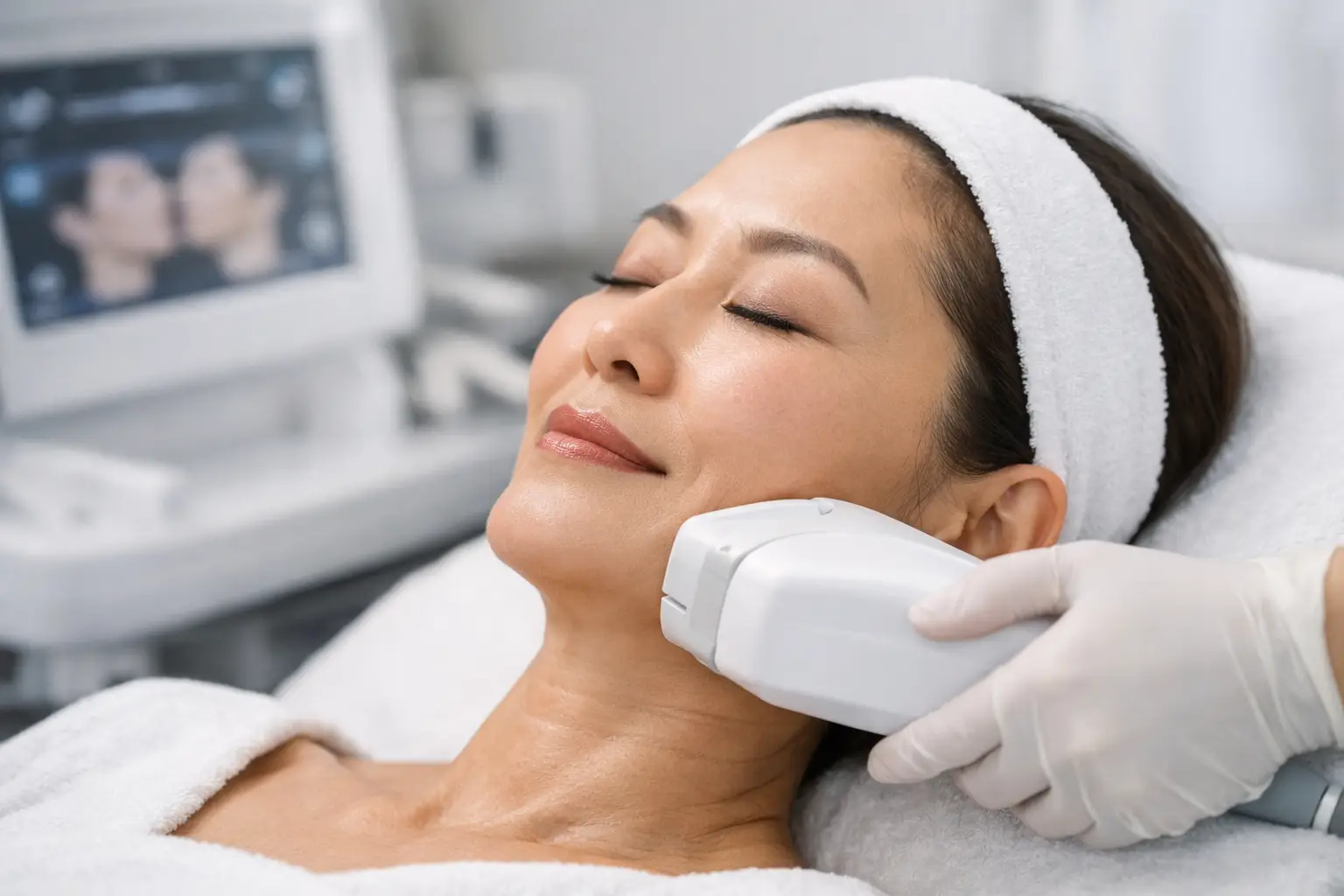
Energy-based treatments, such as low-level laser therapy (LLLT), utilize specific wavelengths of light to irradiate the scalp. The foundational mechanism, known as photobiomodulation, involves the absorption of light energy by cellular mitochondria, potentially leading to increased cellular metabolism and enhanced localized blood circulation. This non-thermal stimulation of the hair follicles is intended to reduce inflammation and coax resting follicles back into the active growth phase. Such treatments are non-invasive, generally well-tolerated, and can be administered through clinical devices or physician-dispensed at-home devices.
Micro-Needling and Scalp Infusion Therapy
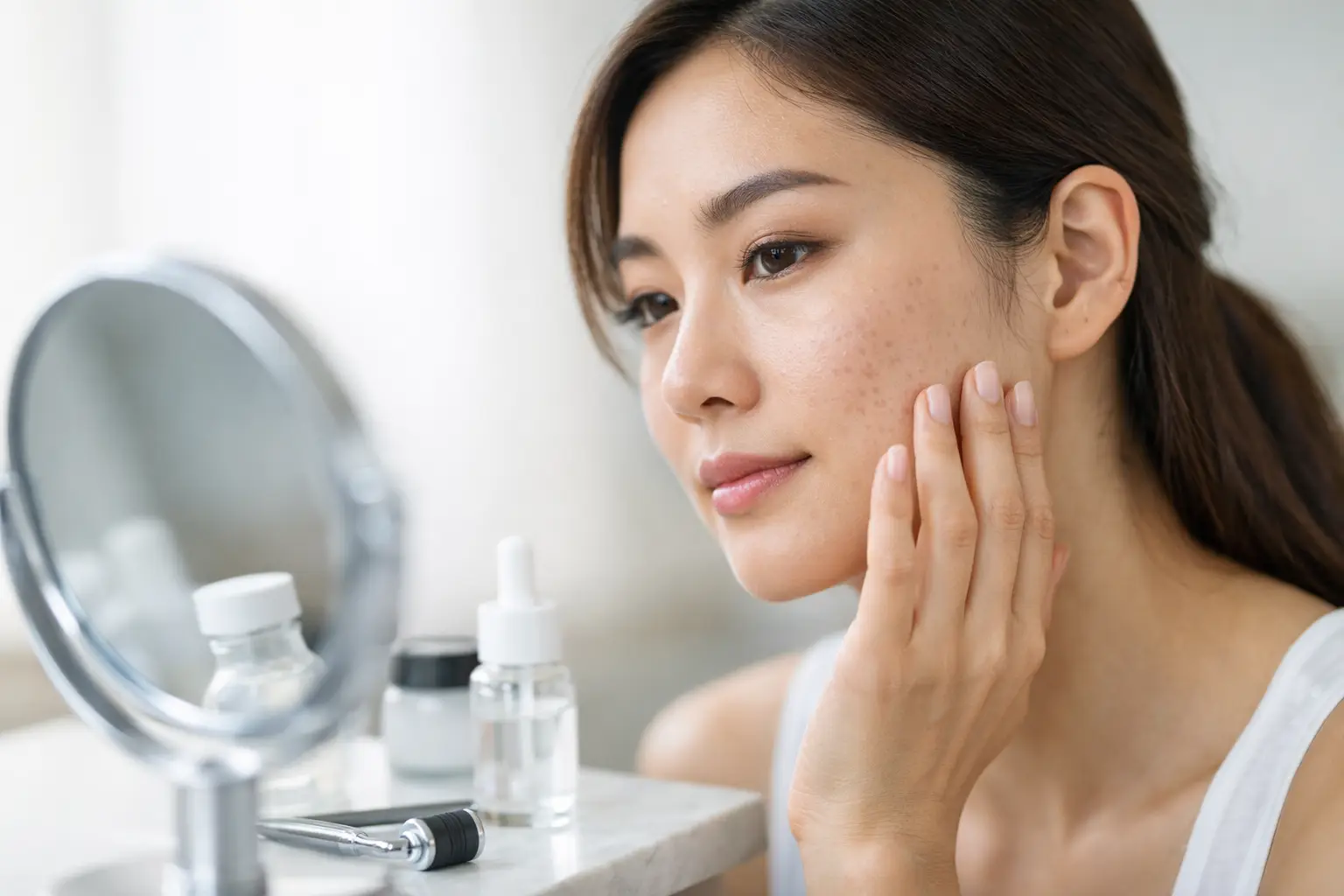
Micro-needling involves the precise, controlled creation of microscopic punctures in the top layers of the scalp using sterile, medical-grade needles. This deliberate micro-injury process aims to stimulate the body’s natural wound-healing cascade, promoting localized collagen production and potentially increasing blood flow to the treated area. Additionally, micro-needling can be paired with the topical application of specialized serums containing amino acids, peptides, or growth factors. The micro-channels created by the needles may facilitate deeper cutaneous penetration and absorption of these active ingredients, potentially enhancing their efficacy.
Autologous Cell and Micrografting Therapy
Advancements in regenerative medicine have introduced autologous therapies into the hair restoration landscape. “Autologous” means the biological material is derived from the patient’s own body. One form involves drawing a small amount of the patient’s blood, processing it in a centrifuge to isolate a concentrated solution of platelets and growth factors, and meticulously injecting this derivative back into the areas of thinning hair. Another specialized technique involves taking a tiny micrograft or biopsy from the healthy tissues at the back of the scalp, processing it to extract cellular progenitors and growth factors, and introducing this solution into the balding zones. These treatments aim to harness the body’s inherent bio-regenerative signals to stimulate dormant follicles. Results vary between individuals, and multiple sessions may be required.
For those seeking effective hair loss treatments in Singapore, it’s essential to explore various options and understand the underlying causes of hair loss. A related article that delves into skin health and its connection to overall well-being can provide valuable insights. You can read more about this in the article on skin pigmentation, which discusses various treatments and their effectiveness. To learn more, visit this informative resource.
Surgical Hair Restoration Procedures
| Treatment | Success Rate | Cost |
|---|---|---|
| PRP Therapy | 70% | SGD 800 – 1500 per session |
| Hair Transplant | 90% | SGD 8000 – 15000 |
| Topical Treatments | 50% | SGD 50 – 100 per month |
For individuals with more advanced hair loss where medical and clinical treatments may not yield cosmetically significant improvements, surgical options may be discussed.
Principles of Hair Transplantation Surgery
Hair transplantation is a surgical procedure that involves removing healthy hair follicles from a donor area of the scalp—typically the back or sides, which are genetically resistant to DHT-induced miniaturization—and strategically implanting them into the recipient areas where hair is thinning or absent. There are different clinical techniques for harvesting these follicles. Some methods involve excising a linear strip of tissue from the donor zone, while others utilize advanced tools to extract individual follicular units one by one, thereby avoiding a linear scar. The meticulously transplanted follicles are designed to take root and eventually grow naturally in their new location.
Clinical Suitability for Surgical Options
Hair transplantation is not a universal solution for all types of alopecia. Ideal candidates must have a sufficient reserve of healthy hair in the donor area to provide adequate coverage for the balding areas. Furthermore, the patient’s hair loss should ideally be stabilized through medical therapy before progressing to surgery; otherwise, the native hair surrounding the transplanted follicles may continue to thin, leading to unnatural aesthetic outcomes over time. Age, general health standing, and realistic expectations regarding the density that can be achieved are all critical factors evaluated during a surgical consultation.
Managing Expectations, Risks, and Long-Term Maintenance
Embarking on a hair restoration journey requires patience and a clear understanding of what medical science can pragmatically achieve.
Individual Variability in Treatment Outcomes
It is paramount to understand that results vary widely between individuals. The human body is highly complex, and the degree to which a person’s hair follicles respond to medication, stimulation, or auto-derived growth factors depends on their age, genetic makeup, the severity and duration of the condition, and general systemic health. Early intervention typically yields more favorable outcomes, as follicles that have been dormant for many years may become fibrotic and permanently incapable of producing new hair shafts. No medical practitioner can offer a strictly guaranteed outcome, and absolute claims of being “100% effective” or offering “permanent” density without lifelong care are scientifically inaccurate.
Navigating the Timeline for Visible Results
Hair grows at an average rate of only about one centimeter per month. Consequently, no hair loss treatment provides instant results. In almost all treatment modalities—whether topical, oral, clinical, or surgical—it generally takes between three to six months for the earliest signs of stabilization or regrowth to become apparent. Full cosmetic maturation of the results may take up to twelve or eighteen months. Patients are counseled to remain compliant with their structured treatment protocols and attend regular follow-up appointments to continually assess progress via repeat trichoscopy.
Importance of Long-term Maintenance
Androgenetic alopecia and many other forms of hair thinning are chronic, progressive conditions. Therefore, treatments typically conceptualize hair loss as a condition to be managed rather than entirely cured. Even following successful surgical hair restoration, ongoing medical maintenance therapies are frequently advised to protect the remaining native hairs from miniaturizing. Discontinuation of prescribed topical or oral treatments often results in a gradual reversal of any newly gained hair density, returning the patient to their baseline state of hair shedding.
General Medical Risks and Professional Advice
Every medical procedure carries inherent risks. While non-invasive scalp treatments are generally low-risk, interventions such as micro-needling, autologous injections, or hair transplantation carry potential risks of unexpected localized infections, post-inflammatory hyperpigmentation, minor scarring, or allergic reactions to administered local anesthetics.
Individuals considering any form of hair restoration are strongly encouraged to seek consultations with qualified, licensed medical professionals. A certified practitioner operating in a clinical setting in Singapore will provide a nuanced, evidence-based assessment, ensuring that all proposed treatments comply with medical safety standards and are tailored to respect the unique physiological profile of the patient. Through careful diagnosis and a commitment to clinical management, experiencing an improvement in scalp health and hair density is a medically attainable goal.
FAQs
What are the common causes of hair loss in Singapore?
Common causes of hair loss in Singapore include genetics, hormonal changes, stress, poor nutrition, and certain medical conditions.
What are the recommended hair loss treatments in Singapore?
Recommended hair loss treatments in Singapore include topical minoxidil, oral finasteride, low-level laser therapy, platelet-rich plasma (PRP) therapy, and hair transplant surgery.
Are there any natural remedies for hair loss in Singapore?
Natural remedies for hair loss in Singapore include using essential oils such as rosemary and peppermint, scalp massages, and maintaining a healthy diet rich in vitamins and minerals.
How effective are hair loss treatments in Singapore?
The effectiveness of hair loss treatments in Singapore varies depending on the individual and the underlying cause of hair loss. Some treatments may show significant improvement, while others may have limited effectiveness.
Are hair loss treatments in Singapore safe?
Most hair loss treatments in Singapore are considered safe when used as directed by a qualified healthcare professional. However, it is important to discuss any potential risks and side effects with a healthcare provider before starting any treatment.