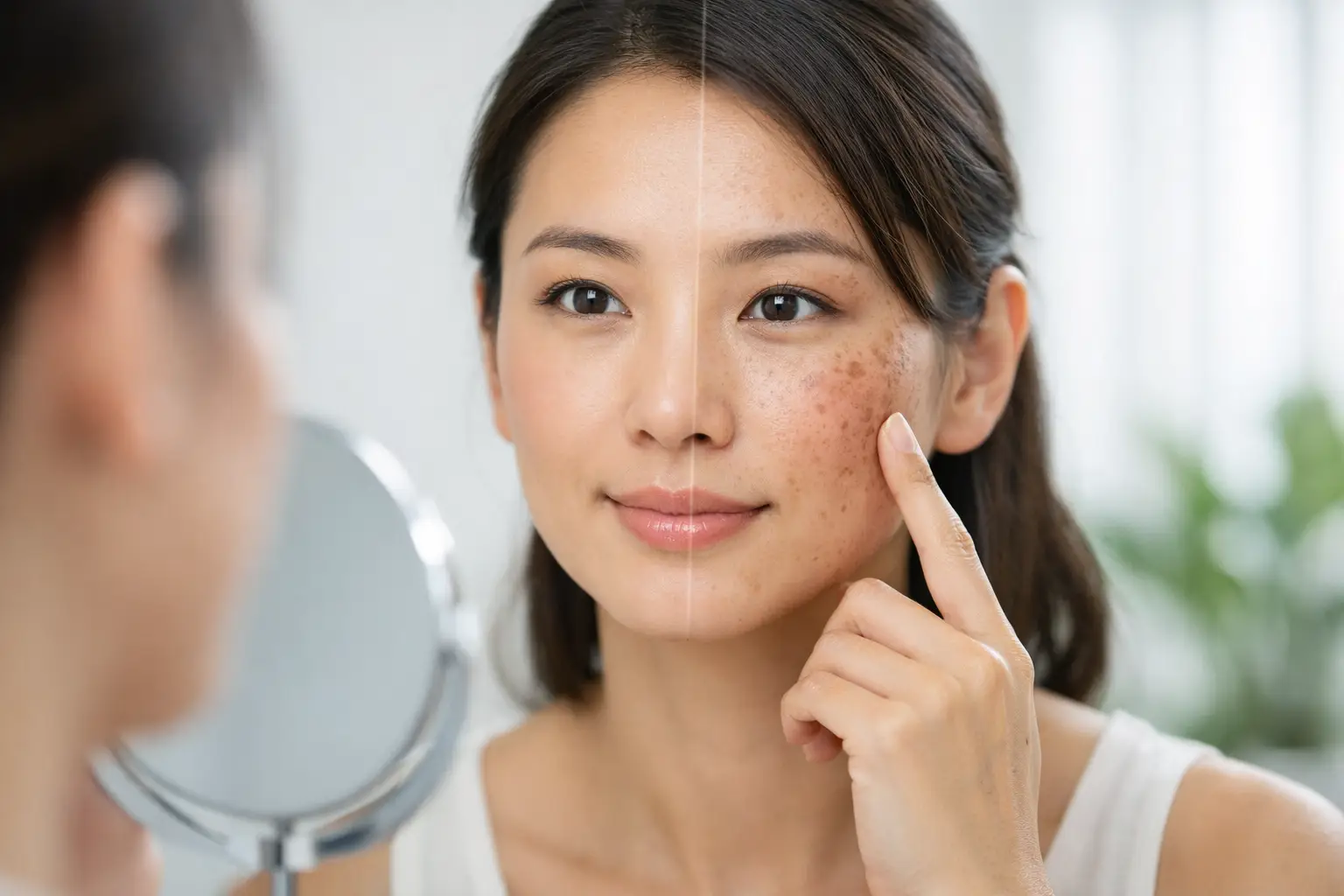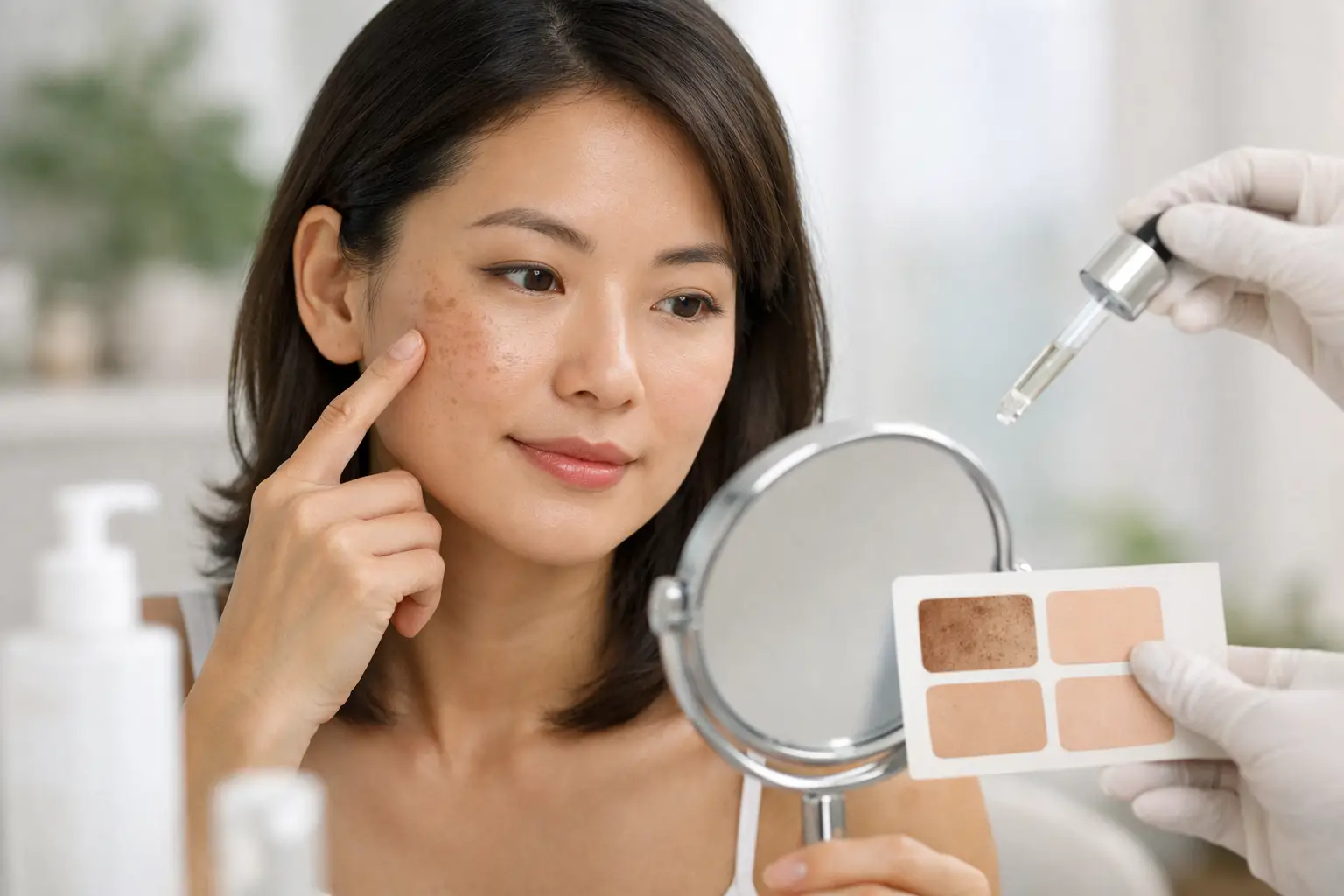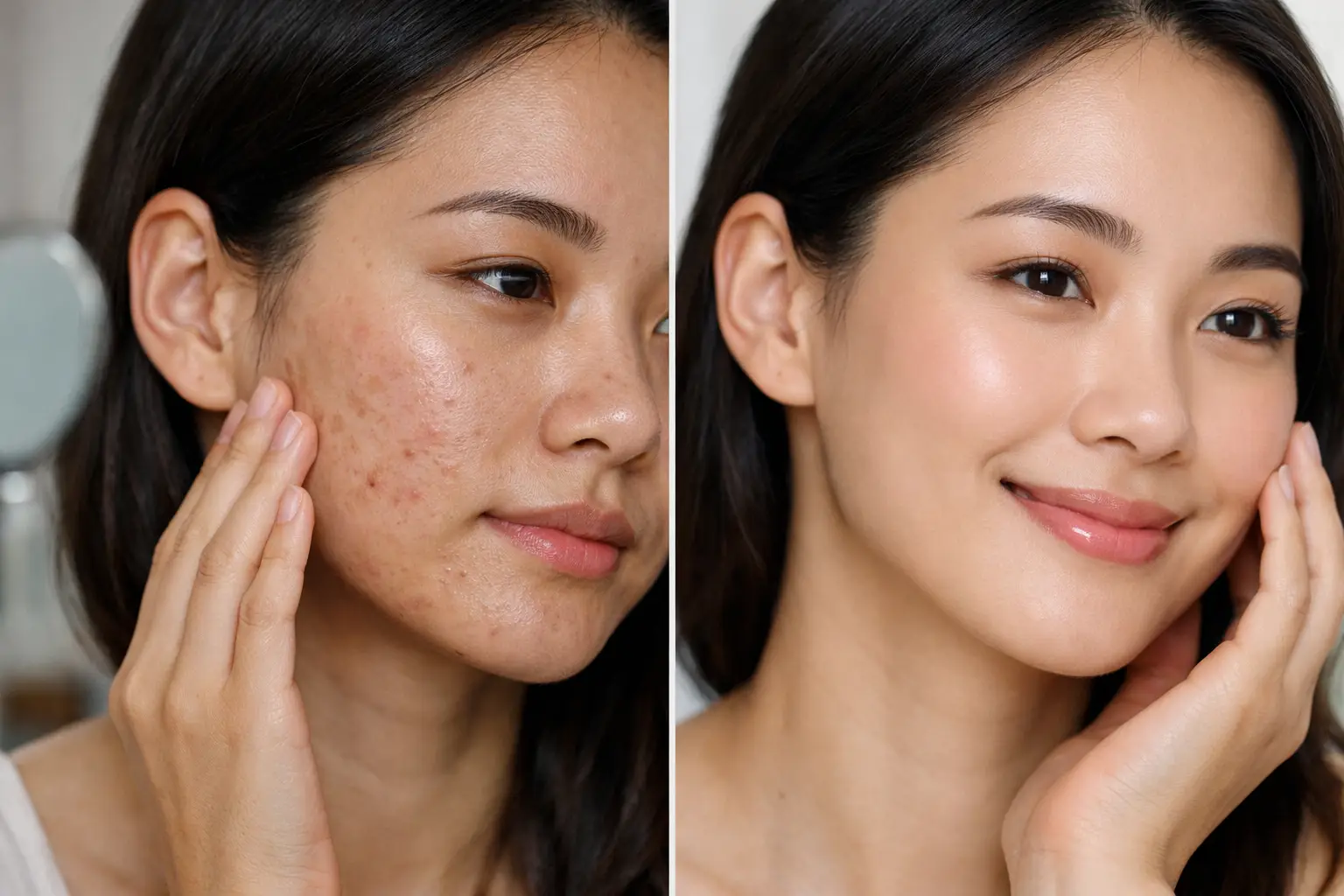
Skin pigmentation is a commonly encountered dermatological condition, particularly in a tropical climate like Singapore, where year-round exposure to ultraviolet (UV) radiation is prevalent. For many individuals, managing hyperpigmentation is an ongoing process that involves a combination of topical skincare, lifestyle modifications, and clinically administered aesthetic procedures. Among these procedures, energy-based skin treatments, such as various forms of laser therapy, have become a primary modality for addressing localized or diffuse pigmentation.
When considering medical aesthetic treatments, individuals often evaluate the overall financial commitment required for an effective treatment plan. While cost is an understandable consideration, understanding the factors that influence the pricing of laser pigmentation treatments can help patients make informed decisions. Establishing a long-term, sustainable treatment plan requires an appreciation of the underlying science, the technology utilized, and the necessary safety protocols.
To understand how laser treatments may help improve the appearance of hyperpigmentation, it is necessary to first understand how and why pigmentation forms. Skin color is primarily determined by melanin, a pigment produced by specialized cells known as melanocytes located at the basal layer of the epidermis.
The Mechanism of Melanin Production
The production of melanin, a process called melanogenesis, is a natural defense mechanism designed to protect the skin’s cellular DNA from UV damage. When the skin is exposed to sunlight, melanocytes are stimulated to produce more melanin, which is then transferred to neighboring skin cells (keratinocytes). Under normal circumstances, this results in an even tan. However, when melanocytes become overactive or when melanin is unevenly distributed, it manifests as localized dark spots or patches of hyperpigmentation.
Common Presentations of Hyperpigmentation
Hyperpigmentation presents in several different forms, each with distinct causes and tissue depths.
- Solar Lentigines (Sun Spots): These are well-defined, flat, darkened areas of the skin that typically appear on sun-exposed regions such as the face, hands, and shoulders. They are primarily driven by cumulative sun exposure over a person’s lifetime.
- Melasma: Often appearing as symmetrical, brownish patches on the cheeks, forehead, or upper lip, melasma is frequently influenced by hormonal fluctuations, such as those occurring during pregnancy or the use of oral contraceptives, in combination with UV and visible light exposure. Melasma is notoriously complex to manage and requires a highly tailored approach.
- Post-Inflammatory Hyperpigmentation (PIH): This type of pigmentation occurs following injury or inflammation of the skin, such as an acne breakout, a burn, or a rash. The inflammation triggers an overproduction of melanin as part of the skin’s healing response.
- Ephelides (Freckles): These are small, genetic pigmented spots that darken with sun exposure and may fade during periods of reduced sunlight.
- Hori’s Naevus: A type of acquired dermal dermal pigmentation more commonly seen in Asian populations, presenting as blue-brown patches usually on the cheeks. Because the pigment resides deeper in the dermis, it generally requires specific treatment modalities.
If you’re considering laser pigmentation treatments in Singapore, it’s essential to understand the various factors that influence the price. A comprehensive overview of the topic can be found in this informative article, which discusses the effectiveness, safety, and longevity of different laser approaches to pigmentation. For more details, you can read the article here: Multi-Laser Approach to Pigmentation: Effective, Safe, and Long-Lasting.
The Science Behind Energy-Based Skin Treatments for Pigmentation
Laser technology is utilized in aesthetic medicine to target various skin concerns, including hyperpigmentation. The fundamental principle behind these devices is selective photothermolysis, a process intended to direct specific wavelengths of light energy to a targeted chromophore—in this case, melanin—without causing extensive damage to the surrounding skin tissue.
Selective Photothermolysis in Practice
During a laser treatment, the device emits light energy that is selectively absorbed by the melanin in the hyperpigmented areas. As the melanin absorbs this energy, it converts into both heat and acoustic waves. This reaction is intended to break down the pigment particles into much smaller fragments. Once the pigment is fragmented, the body’s natural immune system, specifically cells known as macrophages, works to gradually clear away the debris over the following weeks. It is important to note that the efficiency of this process can differ, and results vary between individuals based on their unique physiological responses.
Modalities of Laser Technology
Various types of laser technologies may be recommended depending on the depth and type of pigmentation.
- Nanosecond Lasers: These established devices deliver light energy in nanoseconds (billionths of a second). They are commonly used to target melanin through a combination of thermal (heat) and photomechanical (acoustic) effects.
- Picosecond Lasers: A more recent advancement in laser technology, these devices deliver energy in picoseconds (trillionths of a second). The exceptionally short pulse duration creates a predominantly photomechanical effect, which may help fragment pigment into finer particles with potentially less heat dispersion into surrounding tissues.
- Fractional Lasers: Instead of treating a solid area of skin, fractional lasers deliver microscopic columns of energy, leaving surrounding areas intact to aid in the healing process. These may be recommended as a complementary approach to improve overall skin texture and tone.
Factors Influencing Treatment Costs and Affordability
When individuals search for cost-effective or budget-conscious pigmentation solutions in Singapore, it is vital to understand that the cost of medical aesthetic procedures is determined by multiple variables. Focusing solely on a low price per session may not necessarily equate to long-term value, as clinical outcomes and safety must remain the priority.
Technological Advancements and Equipment
The type of laser device utilized significantly impacts the cost of treatment. Clinics that invest in the latest energy-based skin treatments, such as advanced picosecond laser technology, may have higher operational costs. Researching and developing, manufacturing, and maintaining medical-grade lasers requires substantial investment. Consequently, treatments utilizing newer technologies may have a higher price point per session. However, some patients may find that certain advanced modalities require fewer overall sessions to achieve their desired outcome, which should be factored into the overall cost consideration.
Customization and Treatment Complexity
Pigmentation is rarely a one-size-fits-all condition. A patient may present with a combination of superficial sun spots and deeper dermal pigmentation, such as melasma. Addressing compound issues often requires a medical professional to utilize a combination of different laser wavelengths or combine laser therapy with chemical peels or localized topical medications. A highly customized treatment protocol, which is generally necessary for complex pigmentation, may influence the overall financial investment required.
Medical Expertise and Clinic Infrastructure
In Singapore, only registered medical practitioners are permitted to operate medical-grade lasers for aesthetic purposes, as mandated by the Ministry of Health. The experience, training, and qualifications of the medical professional conducting the treatment play a role in the cost. Furthermore, a clinic’s commitment to maintaining stringent safety standards, utilizing certified equipment, and providing comprehensive post-treatment care infrastructure contributes to the overall pricing structure.
Designing a Sustainable and Cost-Effective Treatment Plan
Achieving desired outcomes while managing financial boundaries involves establishing a well-structured and realistic treatment plan. Affordability in medical aesthetics is best approached through strategic planning rather than seeking shortcuts, as improper treatment of pigmentation can lead to adverse effects that are costly and difficult to rectify.
The Importance of a Comprehensive Consultation
The foundation of a safe and effective treatment journey is a thorough consultation with a qualified medical practitioner. During this assessment, the doctor will evaluate the patient’s skin type, medical history, lifestyle factors, and the specific characteristics of the pigmentation. Accurate diagnosis is critical; for instance, applying aggressive laser settings to melasma can inadvertently trigger further inflammation and worsen the hyperpigmentation. A properly structured consultation helps ensure that the chosen modality is appropriate, which may prevent the wasting of resources on ineffective treatments.
Treatment Phasing and Realistic Expectations
Patients should understand that managing pigmentation is typically a gradual process. Laser treatments are often performed in a series of sessions spaced several weeks apart to allow the skin adequate time to heal and for the body to clear the fragmented pigment. Claiming instant or absolute resolution of pigmentation is unrealistic and contrary to the physiological healing process. Establishing a phased treatment plan allows patients to budget for sessions over time. Furthermore, understanding that maintenance sessions may be required in the future helps in setting realistic financial expectations.
If you’re considering laser pigmentation treatments in Singapore, understanding the costs involved can be crucial for your decision-making process. A helpful resource that discusses the latest trends and prices in aesthetic treatments is available in this article, which provides insights into various options and their associated expenses. You can read more about it in the article on what’s trending in the aesthetic industry. This information can help you make an informed choice about your laser pigmentation journey.
Patient Suitability, Safety, and Potential Risks
| Treatment Type | Price Range |
|---|---|
| Q-switched Nd:YAG Laser | SGD 200 – SGD 800 per session |
| Picosecond Laser | SGD 400 – SGD 1200 per session |
| Fractional Laser | SGD 500 – SGD 1500 per session |
As with any medical procedure, laser treatments for pigmentation carry potential risks and side effects. Suitability for these energy-based skin treatments depends heavily on a patient’s unique skin profile and medical background.
Evaluating Skin Types and Suitability
Dermatologists and medical aesthetics practitioners often use the Fitzpatrick scale to classify skin types based on their response to UV light. Individuals with darker skin types (Fitzpatrick types III to VI), which are common in Singapore, have a higher concentration of melanin. While this provides greater natural protection against UV rays, it also means the skin is more reactive to inflammation and heat. When treating darker skin types, medical practitioners must exercise precise control over laser settings to minimize the risk of inadvertently damaging the surrounding melanin, which could lead to complications.
Understanding Possible Adverse Effects
While modern laser safety protocols are rigorous, patients may experience side effects. Common, mild, and transient responses include temporary erythema (redness), mild swelling, and a sensation similar to a mild sunburn immediately following the procedure.
More significant risks, though less common when procedures are performed by trained professionals, include:
- Post-Inflammatory Hyperpigmentation (PIH): As the skin heals from the laser energy, it may paradoxically produce more melanin, leading to darkening of the treated area. This risk is notably higher in Asian skin types and underscores the importance of proper laser selection and conservative treatment parameters.
- Hypopigmentation: In some cases, the targeted melanocytes may be damaged to the point where they can no longer produce melanin, resulting in permanent white or lighter patches on the skin.
- Blistering or Scarring: If excessive energy is applied or if post-treatment care is compromised, the skin may blister, which can potentially lead to textural changes or scarring.
A comprehensive discussion of these risks during the consultation enables patients to make an informed decision regarding their treatment options.
Post-Treatment Care and Long-Term Maintenance
Investing in laser pigmentation treatments necessitates an equal commitment to post-treatment care and lifestyle modifications. The effectiveness and longevity of the treatment outcomes are heavily dependent on how the skin is protected and maintained following the procedure. Diligent post-care is one of the most practical ways to ensure the cost-effectiveness of an aesthetic investment, as it may help prevent the rapid recurrence of pigmentation.
Strict Sun Avoidance and Photoprotection
The most critical factor in managing pigmentation and maintaining treatment results is robust photoprotection. UV radiation is the primary trigger for melanogenesis. Following a laser treatment, the skin is often more sensitive to UV light. Patients are advised to apply a broad-spectrum sunscreen with a high Sun Protection Factor (SPF) daily, reapplying as reasonably necessary, especially when spending time outdoors. In addition to topical sunscreens, physical barriers such as wide-brimmed hats, UV-protective umbrellas, and sunglasses provide necessary secondary defense against cumulative sun exposure.
Complementary Skincare Strategies
A medical practitioner may recommend incorporating specific active ingredients into a patient’s home skincare regimen to support the clinical treatments. Ingredients that act as tyrosinase inhibitors may help suppress the overproduction of melanin at the cellular level. Gentle chemical exfoliants may also be suggested to encourage cellular turnover and help fade superficial pigmentation over time.
However, patients must avoid aggressive or abrasive skincare products, such as harsh physical scrubs or potent acids, immediately after a laser session, as the skin barrier requires time to recover. Following the practitioner’s specific post-treatment instructions is essential to minimize the risk of irritation and subsequent PIH.
Ultimately, addressing hyperpigmentation is a collaborative effort between the patient and the medical professional. While navigating the financial aspects of clinical treatments is a valid consideration, prioritizing safety, accurate medical assessment, and realistic expectations provides the most sustainable path to managing skin health. Individuals considering energy-based skin treatments in Singapore should seek out qualified clinics that prioritize patient education and personalized care protocols over generalized promises. By understanding the underlying biology of their skin and the mechanisms of aesthetic technologies, patients can make informed choices tailored to their specific dermatological needs and personal circumstances.
FAQs
What is laser pigmentation treatment?
Laser pigmentation treatment is a non-invasive procedure that uses laser technology to target and break down excess melanin in the skin, reducing the appearance of pigmentation such as sun spots, age spots, and melasma.
How much does laser pigmentation treatment cost in Singapore?
The cost of laser pigmentation treatment in Singapore can vary depending on the clinic, the type of laser used, and the size of the treatment area. On average, the price can range from $200 to $800 per session.
How many sessions of laser pigmentation treatment are typically needed?
The number of sessions needed for laser pigmentation treatment can vary depending on the individual’s skin condition and the severity of the pigmentation. However, most patients typically require 3 to 5 sessions spaced 4 to 6 weeks apart to achieve optimal results.
What are the potential side effects of laser pigmentation treatment?
Common side effects of laser pigmentation treatment may include redness, swelling, and temporary darkening or lightening of the treated skin. In rare cases, there may be a risk of scarring or infection. It is important to consult with a qualified dermatologist or laser specialist to discuss potential risks and side effects.
Is laser pigmentation treatment suitable for all skin types?
Laser pigmentation treatment is generally safe for most skin types, including fair to dark skin tones. However, certain types of pigmentation and skin conditions may not be suitable for laser treatment. It is important to consult with a qualified dermatologist or laser specialist to determine if laser pigmentation treatment is suitable for your specific skin concerns.