Skin pigmentation is a commonly encountered dermatological concern, particularly in regions like Singapore, where year-round exposure to solar ultraviolet (UV) radiation is prevalent. While localized melanin production serves as a biological defense mechanism against UV damage, its overproduction or irregular distribution can lead to variations in skin tone, presenting as localized dark spots or broader patches of hyperpigmentation. Understanding the mechanisms of pigmentation, the science behind energy-based skin treatments, and the factors that influence the cost of managing these conditions is essential for making informed healthcare decisions.
The purpose of this article is to provide an objective, educational overview of laser pigmentation treatments in Singapore. It outlines the types of pigmentation, how generic laser technologies address them, the variables impacting treatment costs, and important considerations regarding suitability and potential risks.
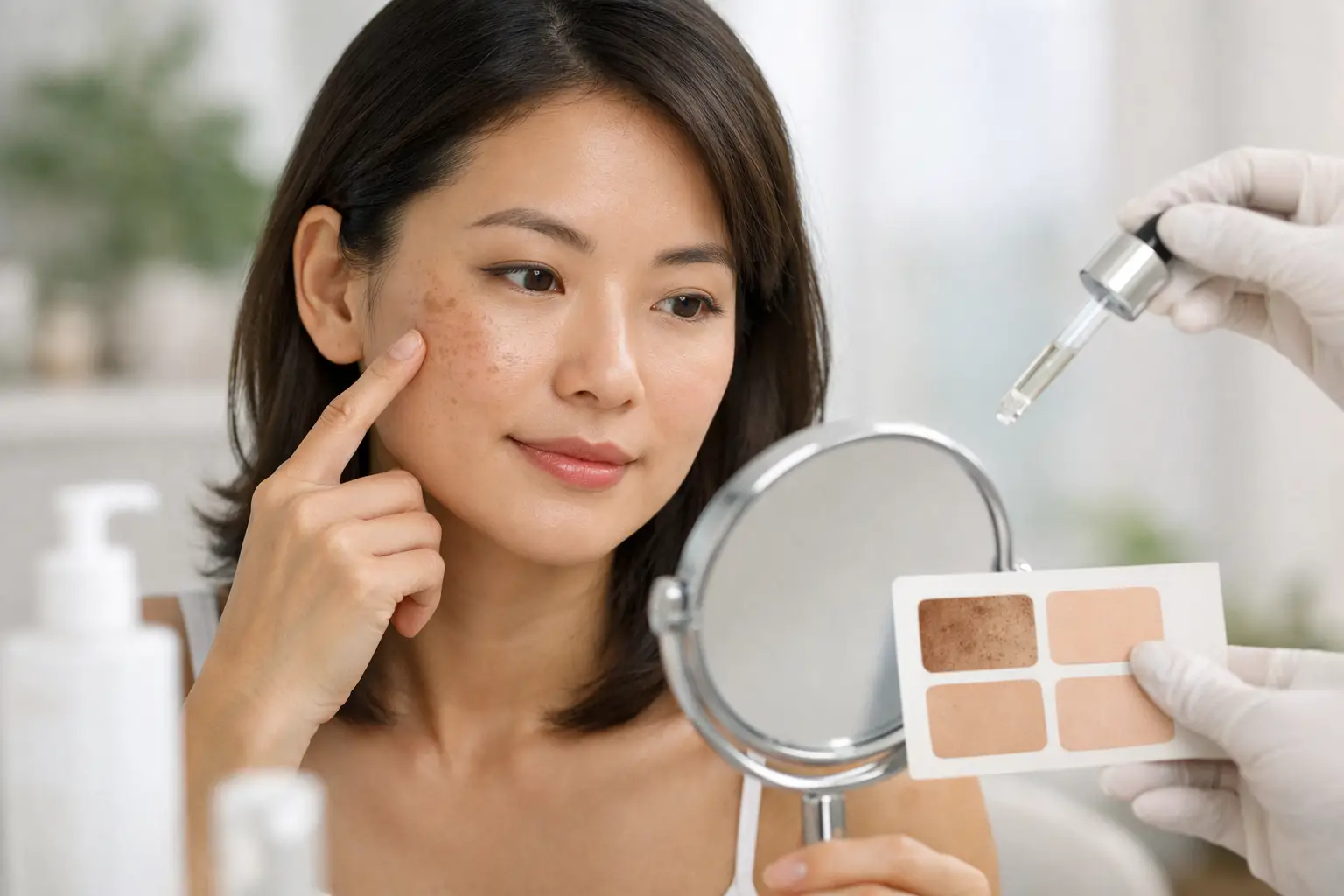
Pigmentation disorders occur when melanocytes, the melanin-producing cells in the skin, become hyperactive or damaged. Melanin is the biological pigment responsible for hair, eye, and skin color. Before considering any energy-based treatments, it is crucial to accurately identify the specific type of pigmentation present, as different conditions require different medical approaches.
Common Types of Pigmentation
The medical community categorizes hyperpigmentation into several types, often based on their depth within the skin (epidermal or dermal) and their underlying causes.
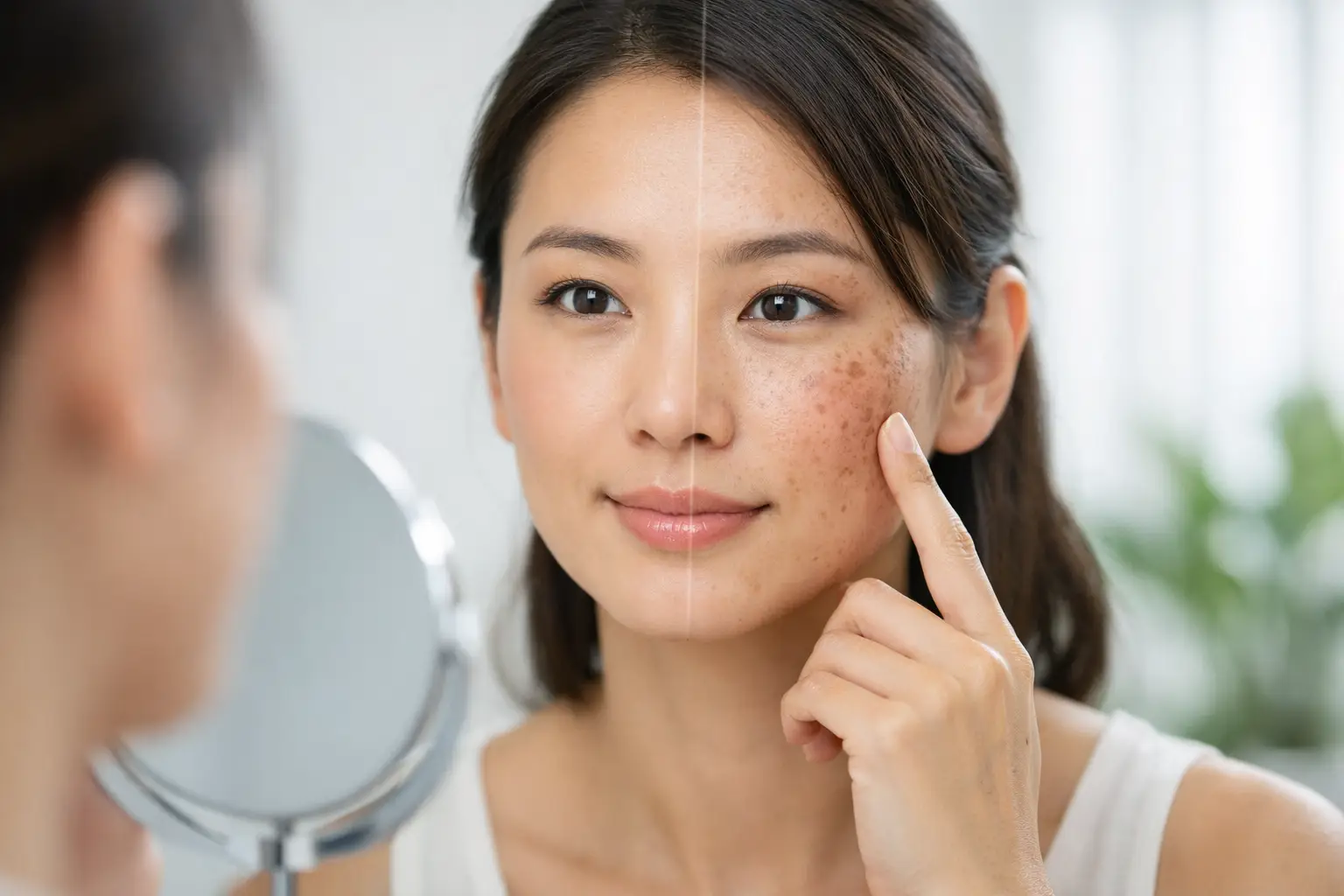
Melasma: This condition frequently presents as bilateral, symmetrical brown or grayish patches, commonly appearing on the cheeks, forehead, nasal bridge, and upper lip. Melasma is heavily influenced by hormonal fluctuations—such as those occurring during pregnancy or with the use of oral contraceptives—and is exacerbated by sun exposure and heat. Because melasma can reside in the superficial epidermis, the deeper dermis, or both (mixed melasma), it is notably complex and typically requires long-term, carefully managed treatment plans.
Solar Lentigines: Often referred to as sun spots or age spots, solar lentigines are flat, well-defined areas of darker pigment. They are primarily a direct result of cumulative, prolonged exposure to UV radiation over an individual’s lifetime. These spots are most commonly found on sun-exposed areas such as the face, hands, shoulders, and arms.
Freckles (Ephelides): Freckles are small, flat, light brown spots that often appear in clusters on the skin. While they are triggered by sun exposure, genetic predisposition plays a significant role in their development. Individuals with lighter skin types are typically more prone to developing freckles, which may darken during sunny months and fade during periods of reduced UV exposure.
Post-Inflammatory Hyperpigmentation (PIH): PIH develops as a reactive response to skin injury or inflammation, such as acne lesions, eczema, burns, or harsh cosmetic procedures. When the skin heals from inflammation, it may overproduce melanin in the affected area, leaving behind a darkened spot or patch. The severity of PIH often correlates with how deeply the skin was inflamed or injured.
The Role of Melanin and Environmental Factors
Melanogenesis, the process of melanin production, is regulated by an enzyme called tyrosinase. When the skin is exposed to environmental stressors—most notably UV radiation from the sun—the body attempts to protect cellular DNA by upregulating tyrosinase activity, thereby increasing melanin production. In Singapore’s tropical environment, the high UV index means that melanocytes are constantly stimulated. Apart from UV light, other factors such as visible light, heat, genetic predisposition, and certain medications can also influence melanin synthesis. Thorough medical consultations aim to evaluate these factors to understand the root cause of the pigmentation issue.
If you’re considering laser pigmentation treatments in Singapore, you might also be interested in exploring the benefits of HIFU (High-Intensity Focused Ultrasound) for skin rejuvenation. For more information on this advanced treatment option, you can read about it in the article titled “The Best HIFU Treatment in Singapore” available at this link. Understanding the various skin treatment options can help you make an informed decision regarding your skincare needs.
How Laser Treatments Address Pigmentation
Advancements in medical technology have introduced various energy-based skin treatments designed to target irregular pigmentation. The choice of technology is solely dependent on a medical professional’s diagnosis of the pigment’s type, depth, and the patient’s individual skin characteristics.
The Science of Selective Photothermolysis
Laser pigmentation treatments operate on a core biophysical principle known as selective photothermolysis. In this process, a specific wavelength of light is emitted by the laser device. This light is intended to be absorbed selectively by a specific target in the skin—in this case, the chromophore melanin—without causing extensive damage to the surrounding healthy tissue.
When the melanin absorbs the applied laser energy, the energy is converted into heat or acoustic waves, which shatters the concentrated pigment particles into much smaller fragments. Over the weeks following the treatment, the body’s natural immune system processes these microscopic fragments. Macrophages, a type of white blood cell, engulf the shattered melanin and gradually eliminate it through the body’s lymphatic system.
Generic Types of Laser Technologies
Clinics may utilize different categories of laser systems to address pigmentation, which are fundamentally classified by their pulse duration and wavelengths.
Nanosecond Lasers: These lasers deliver light energy in nanoseconds (billionths of a second). The energy primarily targets melanin through photothermal (heat) effects. By delivering rapid pulses of specific wavelengths (such as 532 nm for superficial pigment or 1064 nm for deeper dermal pigment), these devices may help improve the appearance of various pigmentation issues.
Picosecond Lasers: Picosecond technology represents a more recent evolution in laser physics, delivering energy in picoseconds (trillionths of a second). Because the pulse duration is exceedingly short, the mechanism relies less on heat and more on a photomechanical or photoacoustic effect. This rapid delivery aims to shatter pigment particles into even finer dust-like fragments. Medical professionals may utilize picosecond lasers depending on their assessment of the patient’s specific condition.
Fractional and Non-Ablative Resurfacing Lasers: Sometimes, managing pigmentation involves overall skin rejuvenation strategies. Fractional lasers create microscopic columns of thermal zones in the skin, leaving surrounding tissue intact. This process stimulates the body’s natural healing response and can aid in overall skin turnover, potentially helping to address superficial pigmentation integrated with uneven skin texture.
Factors Influencing the Cost of Pigmentation Treatments in Singapore
Understanding the financial commitment required for aesthetic treatments involves looking at the components that make up the clinical procedure. General treatment costs are derived from multiple systemic and medical variables rather than arbitrary pricing.
Complexity and Type of Pigmentation
The nature of the pigmentation heavily dictates the treatment approach and, subsequently, the overall cost. Superficial pigmentation, like distinct solar lentigines, may require a relatively straightforward approach. In contrast, conditions such as melasma are chronic and notoriously reactive. Treating melasma requires a cautious, long-term protocol involving milder laser settings over a prolonged period to prevent triggering rebound hyperpigmentation. Complex conditions inherently demand more clinical resources and time, which influences the total expenditure involved in patient care.
Choice of Laser Technology
The operational costs of medical equipment play a significant role in treatment pricing. Advanced laser systems, such as those utilizing picosecond technology or multi-wavelength capabilities, represent a substantial capital investment for medical facilities. Furthermore, the regular maintenance, calibration, and consumable elements necessary to ensure the safe operation of these medical-grade devices factor into the cost per session. Treatment plans utilizing the latest generations of energy-based skin treatments typically reflect the operational costs of these advanced systems.
Number of Sessions Required
It is a common misconception that pigmentation can be completely resolved in a single session. Because the immune system requires time to naturally clear shattered pigment particles, treatments are typically administered in a series. The number of sessions required is highly variable and depends on the depth of the pigment, the chronicity of the condition, and how effectively the patient’s biological system responds to the laser energy. A comprehensive treatment plan may span several months, and the total cost is reflective of this progressive, multi-session process.
Medical Expertise and Clinical Standards
A significant component of treatment cost encompasses the professional expertise provided. Medical professionals undergo rigorous training to understand skin histology, laser physics, and condition management. The initial medical consultation—where a thorough clinical assessment, history-taking, and diagnostic evaluation occur—is crucial for patient safety. Additionally, clinics adhering to stringent hygiene standards, robust safety protocols, and comprehensive follow-up care have overheads that are reflected in their service structure. Quality medical care prioritizes patient safety and the appropriate clinical management of aesthetic conditions.
Suitability and Managing Expectations
Not everyone is an immediate candidate for laser pigmentation treatments. The suitability of any energy-based treatment must be determined by a qualified medical professional during an in-person consultation.
Evaluating Candidate Suitability
During the clinical assessment, a medical professional will evaluate several parameters. The patient’s Fitzpatrick skin type (a classification of skin color and its response to UV light) is carefully assessed. Individuals with darker skin types possess more active melanocytes and may carry a higher risk of complications, requiring specialized parameters and cautious treatment approaches.
Medical history is also reviewed, including current medications, as certain drugs can induce photosensitivity (increased sensitivity to light) or impair wound healing. Conditions such as active severe acne, broken skin barriers, rosacea, or infections in the treatment area may necessitate postponing laser treatments. Furthermore, laser treatments are generally contraindicated for individuals who are pregnant or breastfeeding, primarily due to a lack of safety data in these demographics.
Variability of Results
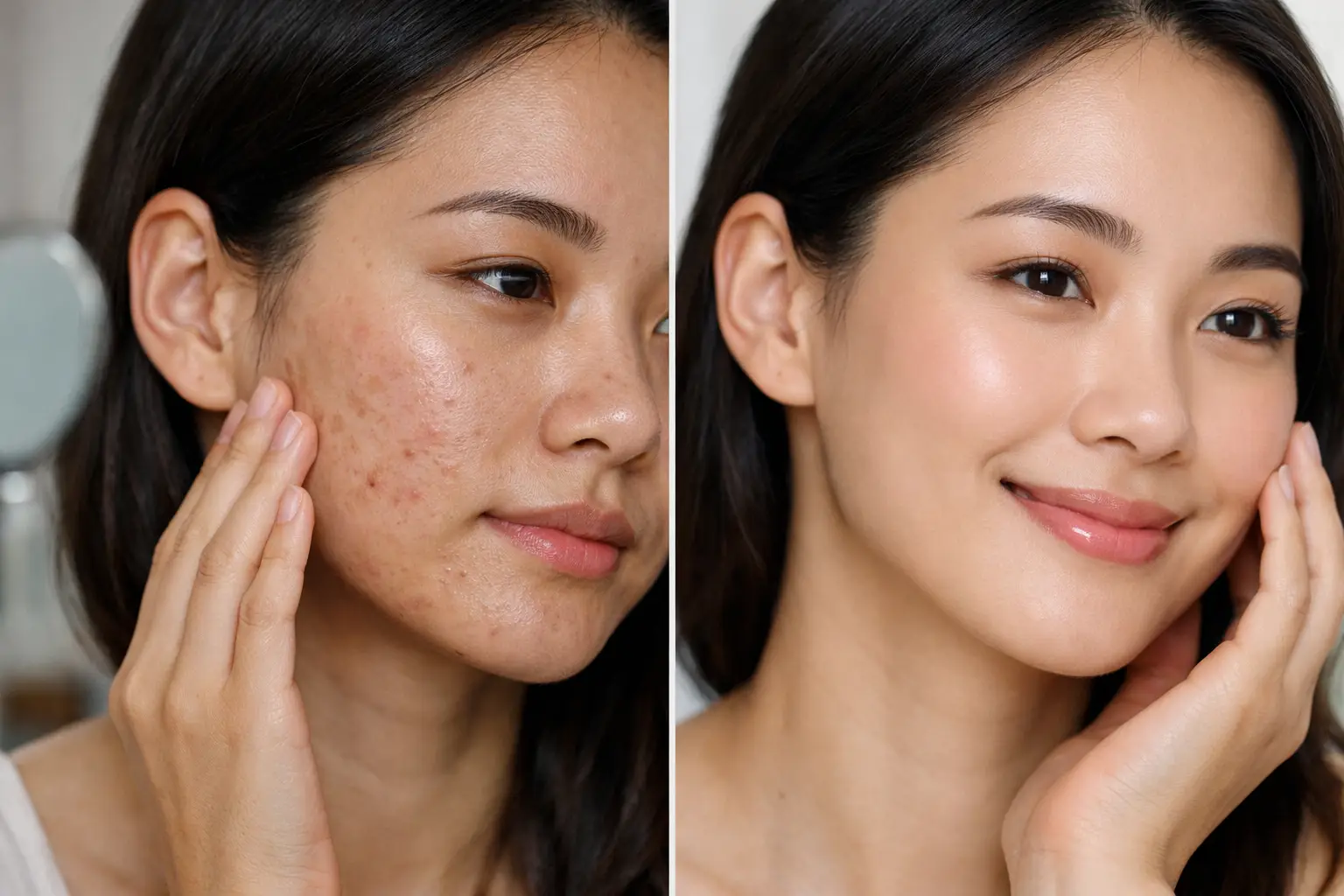
It is important to understand that results vary between individuals. Laser treatments may help improve the appearance of skin pigmentation, but outcomes are entirely dependent on biological factors. The rate at which the body clears pigment, genetic predispositions, and underlying hormonal changes all contribute to the final skin appearance. Consequently, absolute clearance of all pigmentation cannot be expected. Patients are advised to maintain realistic expectations and understand that managing pigmentation is often a continuous process rather than a singular cure.
If you’re considering laser pigmentation treatments in Singapore, it’s essential to understand not only the costs involved but also how various factors can influence your skin’s appearance over time. A related article discusses the impact of facial expression habits on aging skin, which can be quite enlightening for anyone looking to enhance their overall appearance. You can read more about this fascinating topic in the article here. Understanding these elements can help you make informed decisions about your skincare journey.
Potential Risks and Post-Treatment Care
| Treatment Type | Price Range |
|---|---|
| Q-switched Nd:YAG Laser | SGD 200 – SGD 800 per session |
| Picosecond Laser | SGD 400 – SGD 1200 per session |
| Fractional Laser | SGD 500 – SGD 1500 per session |
All medical procedures, including non-invasive energy-based skin treatments, carry a degree of risk. Transparency regarding these possibilities is an integral part of informed consent.
Understanding the Possible Side Effects
While modern laser systems are designed with precise parameters to minimize damage to surrounding tissues, temporary biological responses are expected. Patients commonly experience mild erythema (redness) and slight edema (swelling) immediately following a session, which usually subsides within a few hours to a few days.
In some cases, the treated pigmented spots may temporarily darken before eventually fading or sloughing off. There is also a risk of unexpected changes to skin coloration. Post-inflammatory hyperpigmentation (PIH) can occur if the skin reacts adversely to the heat generated by the laser, a risk that is statistically higher in individuals with darker skin tones. Conversely, hypopigmentation (lightening or loss of pigment in the treated area) can sometimes occur if melanocytes are inadvertently damaged. Medical professionals strive to mitigate these risks through careful parameter selection and test patches.
Post-Treatment Care and Sun Protection
The success and safety of laser treatments heavily depend on patient adherence to post-treatment care instructions. Following a procedure, the skin barrier is temporarily sensitized.
UV protection is the most critical element of aftercare. Patients are strictly advised to avoid direct, intentional sun exposure and must apply a broad-spectrum sunscreen with a high Sun Protection Factor (SPF) daily. Additionally, protective measures such as wearing wide-brimmed hats or using umbrellas are strongly recommended in high-UV environments like Singapore.
Skincare routines should be modified during the recovery phase. Patients are usually advised to use gentle, unscented cleansers and supportive moisturizers to maintain skin hydration. Active ingredients that promote exfoliation or skin turnover—such as alpha-hydroxy acids (AHAs), beta-hydroxy acids (BHAs), or retinoids—should be temporarily discontinued until the skin has fully recovered to prevent irritation and barrier compromise.
By prioritizing clinical assessments, understanding the nature of laser technology, and committing to strict post-procedure care, individuals can make informed decisions regarding the management of their skin pigmentation. Managing skin health is a collaborative effort between the patient and the attending medical professional, relying on transparent education and realistic, biologically sound expectations.
FAQs
What is laser pigmentation treatment?
Laser pigmentation treatment is a non-invasive procedure that uses laser technology to target and break down excess melanin in the skin, reducing the appearance of dark spots, sun spots, and other pigmentation issues.
How much does laser pigmentation treatment cost in Singapore?
The cost of laser pigmentation treatment in Singapore can vary depending on the clinic, the size of the treatment area, and the number of sessions required. On average, the price can range from $200 to $800 per session.
Is laser pigmentation treatment in Singapore safe?
When performed by a qualified and experienced professional, laser pigmentation treatment is generally considered safe. However, there may be some risks and side effects, such as temporary redness, swelling, or changes in skin pigmentation. It is important to consult with a dermatologist or licensed practitioner before undergoing the treatment.
How many sessions of laser pigmentation treatment are typically needed?
The number of sessions needed for laser pigmentation treatment can vary depending on the individual’s skin condition and the desired results. In general, most people require 3 to 5 sessions spaced 4 to 6 weeks apart to achieve optimal results.
What are the factors that can affect the cost of laser pigmentation treatment in Singapore?
The cost of laser pigmentation treatment in Singapore can be influenced by factors such as the size of the treatment area, the type of laser technology used, the reputation and location of the clinic, and the experience of the practitioner. Additionally, any additional treatments or products recommended for post-treatment care may also contribute to the overall cost.