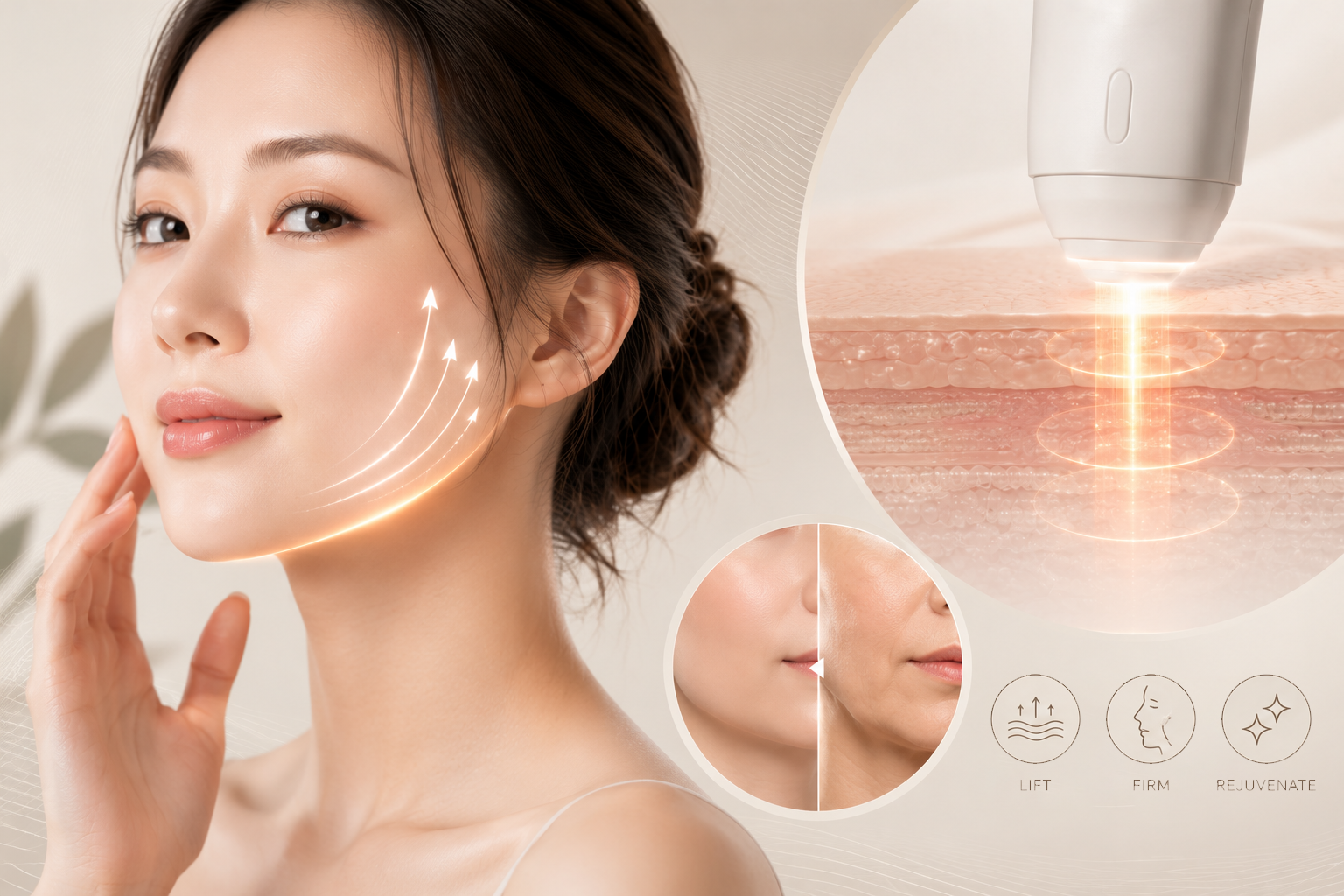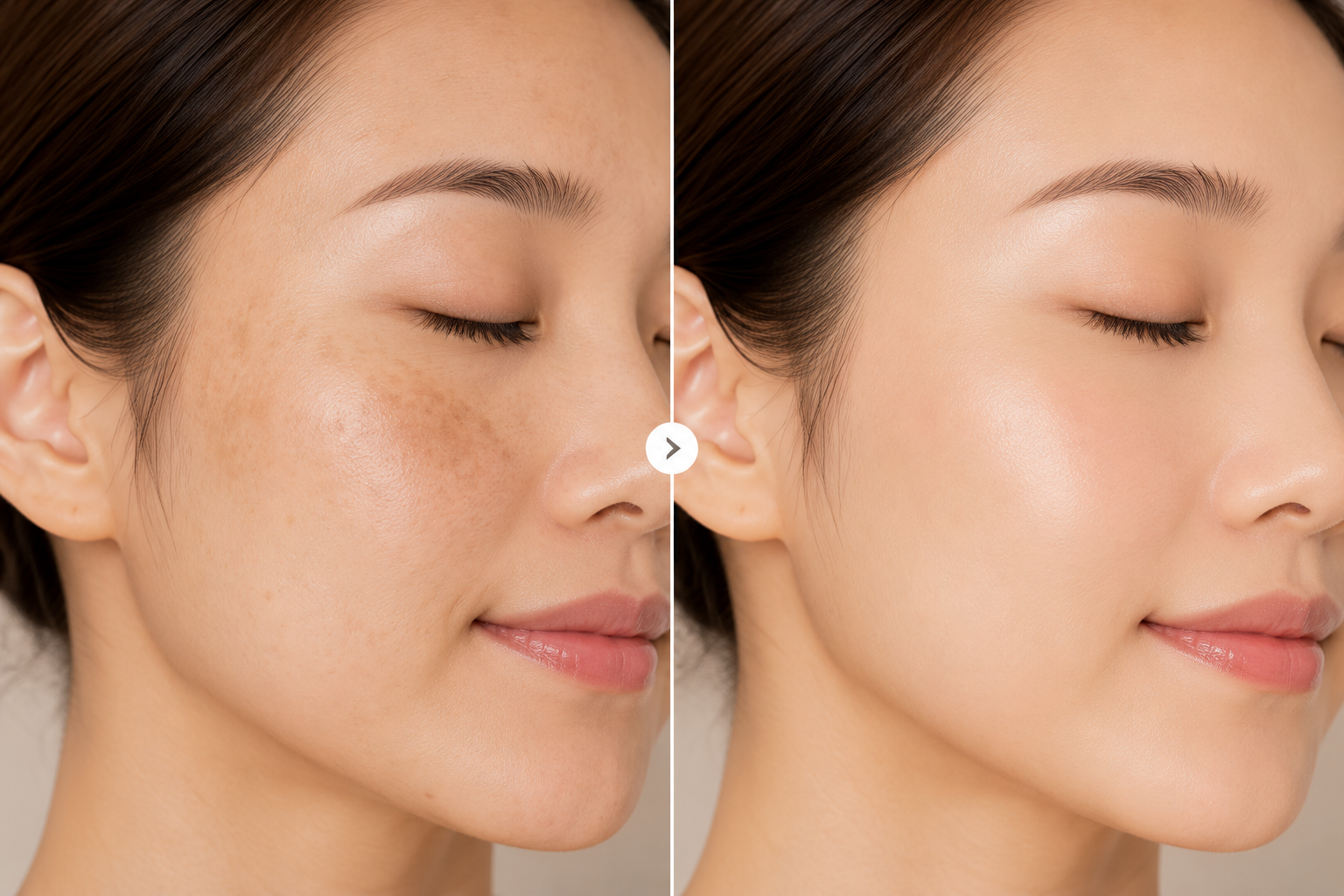
Skin pigmentation is a common dermatological concern that affects many individuals, often influencing the overall uniformity and tone of the complexion. While pigmentation is a natural biological response, uneven distribution of skin pigment can lead to concerns ranging from freckles and sunspots to more complex conditions like melasma. Over the years, medical aesthetics has evolved to encompass a variety of modalities for managing uneven skin tone. Among these, energy-based skin treatments, particularly laser therapies, are frequently utilised.
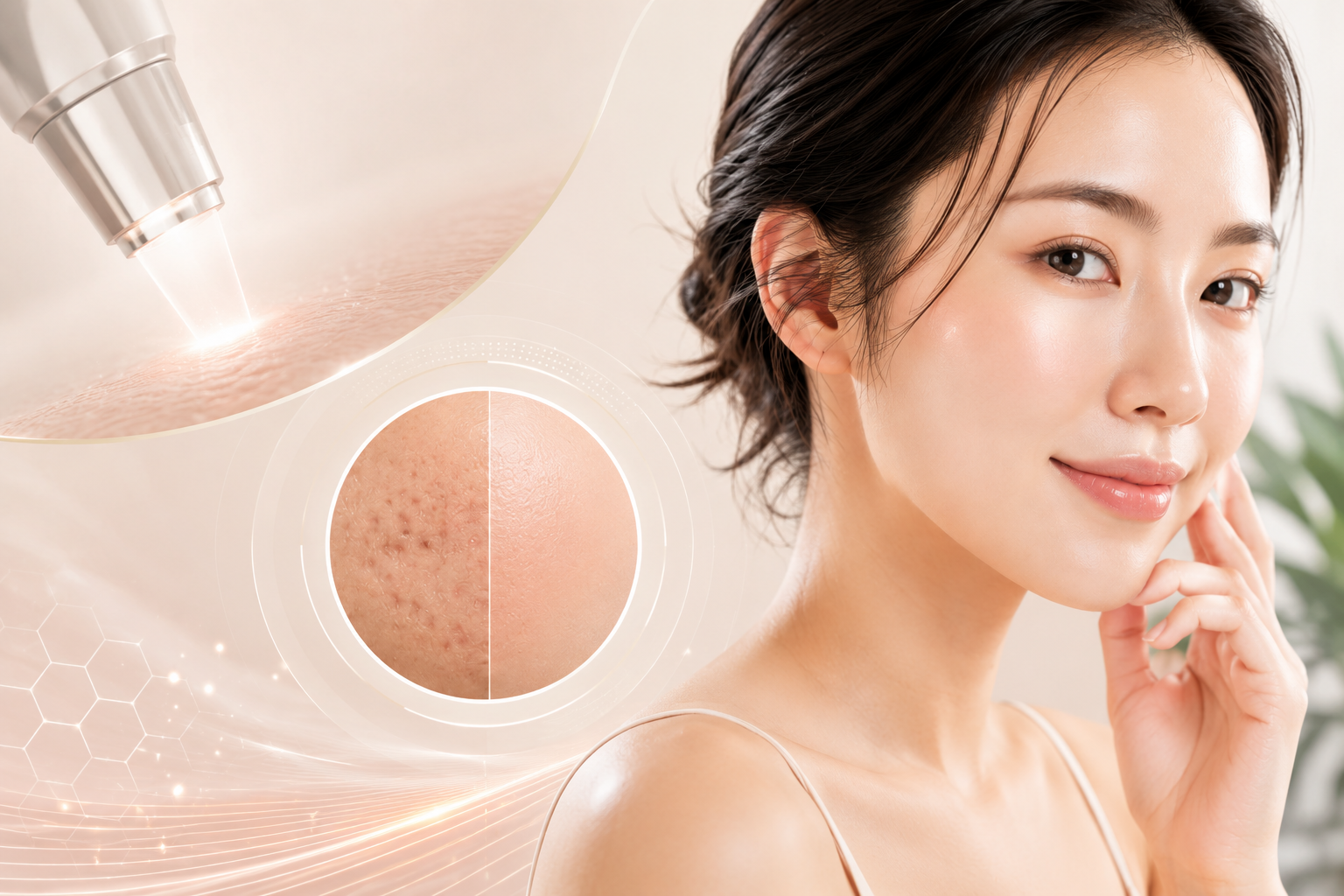
Laser treatments utilise focused light energy to target and break down excess pigment in the skin. When administered by trained medical professionals, these treatments may help improve the appearance of hyperpigmentation. However, the efficacy of such procedures depends heavily on the type of pigmentation, the individual’s skin type, and adherence to aftercare protocols. It is important to approach these treatments with realistic expectations, understanding that results vary between individuals and that multiple sessions are often required to observe changes.
Before exploring how laser treatments function, it is essential to understand the biological mechanisms underlying skin pigmentation. The colour of human skin is primarily determined by melanin, a pigment produced by specialised cells.
The Biology of Melanin Production
Melanin is synthesised by cells known as melanocytes, which are located in the basal layer of the epidermis. Through a process called melanogenesis, an enzyme called tyrosinase converts the amino acid tyrosine into melanin. Once produced, melanin is packaged into structures called melanosomes and distributed to surrounding skin cells (keratinocytes). Melanin serves a protective function, absorbing and dissipating ultraviolet (UV) radiation to shield the skin’s DNA from damage. However, when melanocytes become overactive due to external or internal triggers, excess melanin is produced and deposited unevenly, resulting in visible hyperpigmentation.
Epidermal vs. Dermal Pigmentation
Hyperpigmentation is clinically categorized by its depth within the skin layers. Epidermal pigmentation lies superficially in the uppermost layer of the skin. Because it is closer to the surface, it often responds more readily to topical treatments and superficial light-based therapies. Dermal pigmentation, on the other hand, resides deeper within the dermis. This type of pigmentation is generally more challenging to manage and often requires energy-based devices capable of penetrating deeper into the skin tissue. Mixed pigmentation involves both epidermal and dermal components.
Common Forms of Hyperpigmentation
There are several distinct types of hyperpigmentation, each with unique characteristics and underlying causes:
- Ephelides (Freckles): These are small, superficial pigmented spots that typically appear on sun-exposed areas. They are largely influenced by genetics and often darken following sun exposure.
- Solar Lentigines (Sunspots or Age Spots): These are larger, clearly defined patches of darkened skin that develop cumulatively over years of unprotected sun exposure.
- Melasma: A complex, chronic condition characterised by symmetrical, blotchy patches typically found on the cheeks, forehead, and upper lip. Melasma is strongly influenced by hormonal fluctuations—such as those occurring during pregnancy or with the use of oral contraceptives—alongside UV exposure and genetic predisposition.
- Post-Inflammatory Hyperpigmentation (PIH): This occurs as a response to skin injury or inflammation, such as acne, eczema, or thermal burns. As the skin heals, it may overproduce melanin, leaving behind a dark mark.
For those interested in advanced skin treatments, exploring the benefits of laser therapy for pigmentation can be enlightening. Laser treatments have gained popularity for their effectiveness in targeting various pigmentation issues, offering a solution for those seeking a clearer complexion. To learn more about innovative aesthetic treatments, including HIFU, you can read this related article on the best HIFU treatment in Singapore at Laz Aesthetic.
The Science Behind Laser Treatments for Pigmentation
Laser is an acronym for Light Amplification by Stimulated Emission of Radiation. In the context of medical aesthetics, lasers are utilised to deliver precise wavelengths of light to targeted tissues without excessively damaging the surrounding areas.
Selective Photothermolysis
The fundamental principle governing laser pigmentation treatment is selective photothermolysis. This principle suggests that a specific wavelength of light will be preferentially absorbed by a specific target, or “chromophore,” within the skin. For pigmentation treatments, the target chromophore is melanin. When the laser energy is absorbed by the excess melanin, the energy is converted into heat or mechanical acoustic waves, effectively shattering the pigment particles. These fragmented particles are subsequently recognized as waste by the body’s immune system and cleared away gradually through natural metabolic processes.
Photomechanical vs. Photothermal Effects
Different laser technologies employ varying pulse durations, which influence how the pigment is destroyed. Older or traditional light-based therapies often rely on photothermal effects, where the tissue absorbs the light and generates heat to destroy the pigment.
Conversely, shorter-pulse lasers—such as nanosecond (Q-switched) and picosecond lasers—utilise ultra-short bursts of energy. These incredibly brief pulses create a photomechanical (or photoacoustic) effect, generating a microscopic shockwave that shatters the melanin into minute fragments with minimal heat transfer. Minimising heat is particularly important when treating conditions like melasma, which can be exacerbated by excessive thermal energy.
Generic Laser Modalities
Medical practitioners may select different generic classes of laser devices based on the patient’s specific presentation:
- Nanosecond Lasers: Operating in billionths of a second, these lasers have a long history of safe use in targeting various forms of superficial and deep pigmentation.
- Picosecond Lasers: Operating in trillionths of a second, these newer generation lasers deliver energy faster, which may help shatter pigment more efficiently while potentially reducing thermal damage to surrounding tissue.
- Fractional Non-Ablative Lasers: These lasers deliver energy in tiny microbeams, leaving small islands of healthy tissue intact to facilitate faster healing. They may be used to address broader textural concerns alongside mild pigmentation.
The Treatment Process: What to Expect
Undergoing a laser treatment for pigmentation is a structured medical process. A thorough understanding of what the procedure entails can help patients prepare appropriately.
Comprehensive Medical Assessment
The journey begins with a detailed consultation with a medical professional. During this stage, the practitioner will review the patient’s medical history, current medications, skincare regimen, and previous aesthetic treatments. A clinical examination of the skin, sometimes assisted by advanced diagnostic imaging tools, helps the doctor determine the exact type and depth of the pigmentation. Certain conditions, such as active skin infections, recent excessive sun exposure, or pregnancy, may render a patient temporarily unsuitable for laser therapy.
The Procedure Experience
On the day of the procedure, the skin is thoroughly cleansed. Depending on the type of laser used and the patient’s pain tolerance, a topical numbing cream may be applied to enhance comfort, though many short-pulse laser treatments are well-tolerated without it. Protective eyewear is provided to shield the patient’s eyes from the intense light.
During the treatment, the practitioner directs the laser handpiece over the targeted areas. Patients frequently report a sensation akin to the mild snapping of a rubber band against the skin, accompanied by a feeling of warmth. The duration of the treatment session can vary, typically taking anywhere from 15 to 45 minutes, depending on the size of the treatment area.
Post-Treatment Care and Recovery
Immediately following the procedure, the skin may exhibit mild redness, swelling, or a sensation similar to a mild sunburn. In cases where discrete sunspots are targeted, the pigment may temporarily darken before naturally sloughing off over the next few days to weeks.
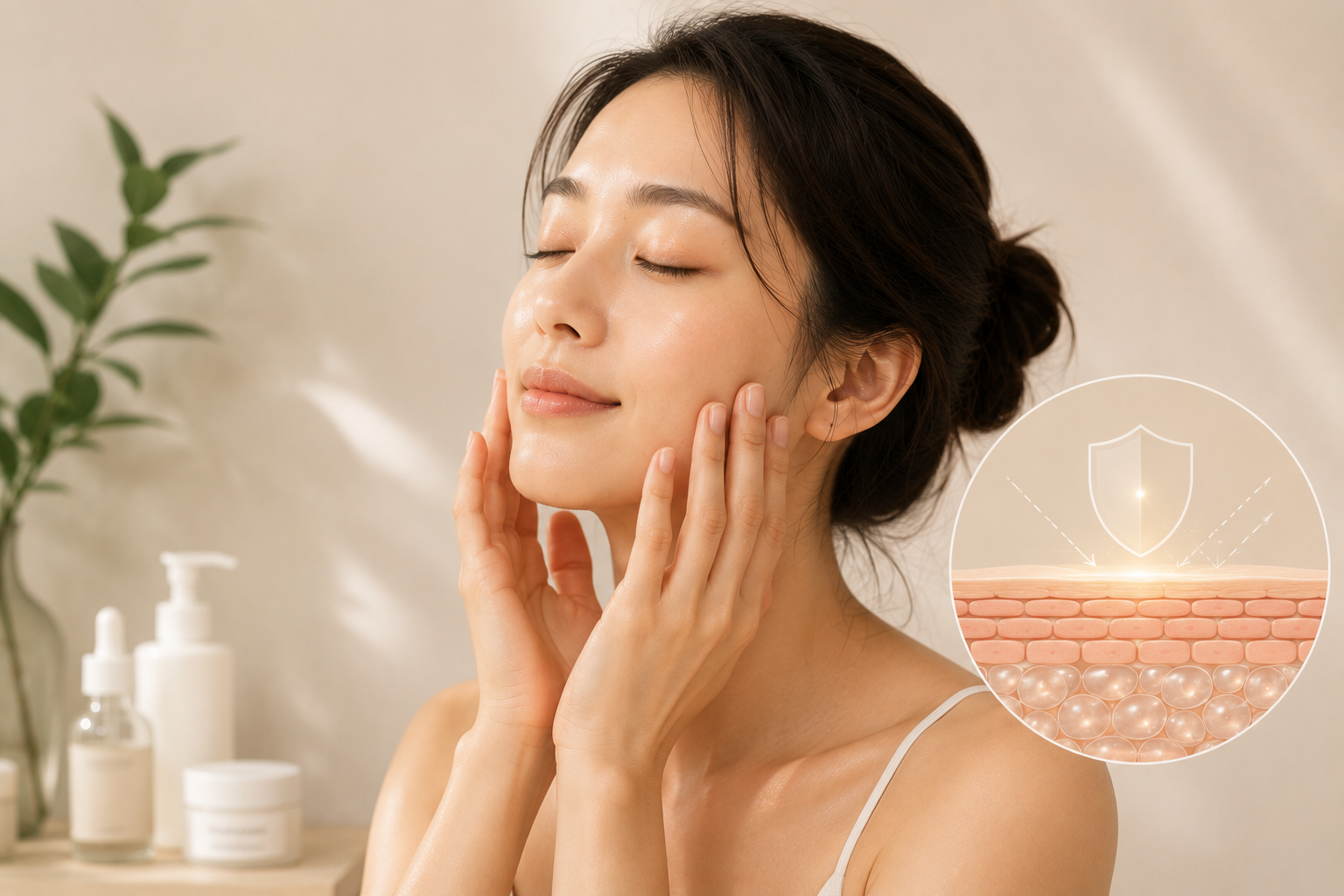
Proper post-treatment care is absolutely critical. Medical practitioners generally advise patients to focus on skin barrier recovery by applying gentle, fragrance-free moisturisers. It is strictly advised to avoid picking, scratching, or physically exfoliating the treated skin, as this can disrupt the healing process and lead to scarring. Furthermore, rigorous sun protection, utilizing a broad-spectrum sunscreen and physical protective measures like hats or umbrellas, is non-negotiable to prevent repigmentation.
Suitability and Considerations for Diverse Skin Types
One of the most complex aspects of managing pigmentation is ensuring that the treatment modality is appropriate for the individual’s inherent skin type.
The Fitzpatrick Skin Typing System
Dermatologists and medical aesthetic practitioners use the Fitzpatrick skin typing scale to classify how different skin tones respond to ultraviolet light. The scale ranges from Type I (very fair skin that always burns and never tans) to Type VI (deeply pigmented skin that never burns).
Populations in Southeast Asia predominantly fall into Fitzpatrick skin types III, IV, and V. Asian skin naturally contains more active melanocytes compared to lighter skin types. While this provides greater innate protection against UV radiation and visible signs of aging, it also means the skin is more reactive to trauma and inflammation.
Managing the Risk of Post-Inflammatory Hyperpigmentation (PIH)
Because Asian skin has an active melanocytic profile, there is an increased risk of Post-Inflammatory Hyperpigmentation (PIH) occurring as an adverse reaction to aesthetic treatments. If a laser treatment is excessively aggressive or delivers too much thermal energy, the skin’s inflammatory response may trigger the melanocytes to produce even more melanin, paradoxically worsening the pigmentation it was intended to treat.
To mitigate this risk, practitioners must carefully calibrate the laser settings—adjusting the wavelength, fluence (energy level), and pulse duration—to suit the specific skin type. Lower energy settings with multiple, consistent sessions are often preferred over aggressive, single-session approaches when managing hyperpigmentation in darker skin tones.
Laser treatments have become increasingly popular for addressing various skin pigmentation issues, offering a non-invasive solution with minimal downtime. If you’re interested in learning more about the underlying causes of skin pigmentation and the available treatment options, you can explore this informative article on the topic. For further insights, check out understanding skin pigmentation and discover how laser therapy can help restore your skin’s natural tone.
Potential Risks, Side Effects, and Limitations
| Treatment Type | Effectiveness | Side Effects | Cost |
|---|---|---|---|
| Laser for Pigmentation | Highly effective in reducing pigmentation | Possible side effects include redness, swelling, and temporary darkening of the skin | Cost varies depending on the size of the area being treated |
While energy-based skin treatments are widely utilised, they are medical procedures that carry inherent risks. A transparent discussion about potential adverse outcomes is an essential part of the informed consent process.
Expected Transient Reactions
Most side effects associated with laser pigmentation treatments are temporary and resolve within a few days to a week. These expected reactions include erythema (redness), mild oedema (swelling), and transient sensitivity. Some patients may also experience mild dryness or temporary flaking as the superficial layers of the skin undergo cellular turnover.
Rare but Possible Complications
When treatments are not tailored appropriately, or if a patient fails to follow post-treatment sun avoidance directives, more significant complications may arise. These include:
- Burns and Blistering: Excessive thermal energy can result in superficial burns, which may lead to subsequent scarring if not managed correctly.
- Hyperpigmentation: As previously mentioned, PIH is a distinct possibility, especially in darker skin types or if the treated area is prematurely exposed to the sun.
- Hypopigmentation: This happens when the laser permanently damages the melanocytes, causing functional loss. It presents as white, confetti-like spots on the skin. Hypopigmentation is notoriously difficult to reverse and is a serious potential limitation of overly aggressive laser treatments.
Why Results Vary Between Individuals
It is crucial to understand that results are subject to individual variation. The depth of the pigment, the chronicity of the condition, genetic predisposition, and hormonal status all play pivotal roles in how well a patient responds to treatment. Environmental factors, particularly daily UV exposure, heavily influence the longevity of the results. Laser treatments are not permanent cures, and they do not alter the underlying genetic or hormonal tendencies that may cause pigmentation to recur.
If you’re considering laser treatments for pigmentation, you might find it helpful to read about various safe options available for enhancing your appearance. A related article discusses last-minute treatments that can help you look your best for special occasions. You can check it out here to explore effective solutions that complement laser therapy and boost your confidence.
Complementary Strategies for Pigmentation Management
Laser therapy is rarely a standalone solution. For a comprehensive approach to managing stubborn pigmentation, medical practitioners often recommend integrating clinical treatments with rigorous daily maintenance.
The Vital Role of Photoprotection
Sun exposure is the primary catalyst for almost all forms of hyperpigmentation. Therefore, the success of any laser treatment is intimately linked to the patient’s sun protection habits. Broad-spectrum sunscreens that protect against both UVA and UVB rays are essential. Formulations containing physical blockers, such as zinc oxide or titanium dioxide, are often highly recommended for melasma patients, as they also block visible light and heat, which can exacerbate the condition. Sunscreen should be applied generously and reapplied throughout the day, even when indoors, as UVA rays can penetrate glass.
Adjuvant Skincare Ingredients
Topical formulations play a supportive role by downregulating melanin production and enhancing cellular turnover. Under medical supervision, patients may be advised to incorporate tyrosinase inhibitors into their daily regimen. These are generic skincare ingredients that suppress the enzyme responsible for melanin synthesis. Common examples include vitamin C, kojic acid, alpha arbutin, niacinamide, and tranexamic acid. Retinoids may also be utilised to accelerate the shedding of pigmented epidermal cells, bringing newer, more evenly pigmented skin to the surface. It is important that these products are introduced gradually and strictly according to medical advice, as some active ingredients can cause irritation if overused.
Individuals experiencing uneven skin tone or persistent hyperpigmentation should consider seeking the guidance of a qualified medical professional. An in-depth clinical evaluation ensures that any underlying medical conditions are identified and that the chosen management plan is safely tailored to the individual’s unique physiological needs. Proper education, realistic expectations, and committed adherence to professional advice form the foundation of a responsible approach to aesthetic medicine.
FAQs
What is laser treatment for pigmentation?
Laser treatment for pigmentation is a non-invasive procedure that uses focused light energy to target and break down excess melanin in the skin, reducing the appearance of dark spots, sun damage, and other pigmentation issues.
How does laser treatment for pigmentation work?
During the procedure, the laser emits a specific wavelength of light that is absorbed by the pigmented areas of the skin. This energy heats up and breaks down the excess melanin, which is then naturally eliminated by the body, leading to a more even skin tone.
Is laser treatment for pigmentation safe?
When performed by a qualified and experienced professional, laser treatment for pigmentation is generally considered safe. However, there may be some risks and side effects, such as temporary redness, swelling, or changes in pigmentation. It’s important to discuss these potential risks with a healthcare provider before undergoing the procedure.
How many sessions are typically needed for laser treatment for pigmentation?
The number of sessions needed for laser treatment for pigmentation can vary depending on the individual’s skin type, the severity of the pigmentation, and the specific type of laser used. In general, multiple sessions spaced several weeks apart may be required to achieve the desired results.
Who is a good candidate for laser treatment for pigmentation?
Good candidates for laser treatment for pigmentation are individuals with fair to medium skin tones who are bothered by dark spots, sun damage, or other pigmentation issues. It’s important to consult with a healthcare provider to determine if laser treatment is the right option for addressing specific pigmentation concerns.