Spider veins are a common dermatological and vascular occurrence that many individuals develop throughout their lifetimes. Frequently appearing on the legs, thighs, and sometimes the face, these visible blood vessels can be a source of aesthetic concern. In Singapore, where the climate often encourages the wearing of shorter garments, the presence of visible vascular lesions may prompt individuals to seek professional medical advice.
The management of spider veins has evolved significantly over the years. Modern aesthetic and vascular medicine offers several clinical approaches designed to address these formations. Rather than focusing on a single method, healthcare providers typically evaluate the individual’s specific vascular condition to determine an appropriate management plan. The goal of such treatments is to reduce the visibility of these vessels, though it is important to understand that outcomes may help improve the appearance of the skin, and results vary between individuals.
To comprehend how clinical interventions address visible veins, one must first understand the structural and functional nature of the superficial venous system.
What Are Spider Veins?
In medical terms, spider veins are known as telangiectasias. They are dilated superficial blood vessels that sit situated just beneath the epidermis. Typically measuring less than one millimeter in diameter, these vessels form distinct, web-like, or branching patterns that may appear red, blue, or purple. Unlike deeper blood vessels that serve as major pathways for blood transport, spider veins are part of the microcirculation system. When their structural integrity is compromised, blood can pool within these tiny pathways, rendering them visible against the surrounding skin.
Common Contributing Factors
The development of spider veins is multifactorial, and their appearance is rarely attributed to a single cause. Genetic predisposition plays a significant role; individuals with a family history of vascular issues are generally more likely to develop telangiectasias. Additionally, hormonal fluctuations contribute to changes in vascular compliance. Conditions that alter hormonal balances—such as pregnancy, the use of oral contraceptives, or menopausal transitions—can influence vein wall relaxation.
Lifestyle factors and occupational habits also impact vascular health. Prolonged periods of standing or sitting, common in many professions, can increase hydrostatic pressure within the lower extremities. Over time, this sustained pressure may challenge the tiny valves within the veins, leading to slight blood pooling and vessel dilation. Aging is another factor, as the gradual loss of skin elasticity and thinning of the dermal layers can make underlying vascular structures more prominent.
Differentiating Spider Veins from Varicose Veins
While functionally related, spider veins and varicose veins are distinct conditions requiring careful clinical differentiation. Spider veins are small, flat, or very slightly raised, and generally do not present severe medical risks, though occasionally they may cause mild discomfort or an aching sensation. In contrast, varicose veins are larger, deeper, and often present as thick, bulging, or tortuous cords beneath the skin.
Varicose veins often indicate more significant underlying chronic venous insufficiency and may be accompanied by swelling, heaviness, or skin changes. An accurate medical assessment is essential because individuals seeking treatment for surface-level spider veins may concurrently possess underlying varicose veins that must be addressed first to ensure the efficacy of the superficial treatments.
If you’re considering spider veins removal in Singapore, you might find it helpful to explore related treatments that can enhance your overall skin appearance. For instance, the article on regional botulinum in Singapore provides a comprehensive guide to achieving smoother skin, which can complement vein treatments. You can read more about it here: Regional Botulinum in Singapore: A Comprehensive Guide to Smoother Skin.
How Spider Vein Treatments Work
The fundamental principle behind managing visible vascular lesions involves safely closing off the defective vessels. Because spider veins are typically non-essential to the overall circulatory system, their closure does not impair blood flow.
The Principle of Vein Closure
When a damaged vein is effectively treated, the body’s circulatory system naturally reroutes the blood flow through healthier, deeper veins. The treated spider vein, no longer carrying blood, undergoes a process of sclerosis or coagulation. It collapses and is gradually broken down by the body’s natural immune and metabolic processes. The localized clearance of the vessel reduces the visible red or blue discoloration on the skin’s surface.
The Body’s Natural Resorption Process
Following any vein closure procedure, the physical vessel does not disappear instantaneously. Instead, the intervention initiates a controlled inflammatory response. Macrophages, highly specialized immune cells, migrate to the treated area to metabolize the cellular debris of the collapsed vein over several weeks or months. Because this biological process relies on individual metabolic rates, the gradual fading of the vessel requires time and patience.
Considerations for Treatment Efficacy
The success of vein closure relies heavily on accurate targeting. If underlying venous hypertension (pressure from larger, untreated, failing veins) is present, superficial treatments may be less effective, and new spider veins may develop rapidly in the same area. Therefore, clinical interventions aim not only to address the visible endpoint but to ensure that the immediate feeder veins are identified and treated.
Common Treatment Modalities Available in Singapore
Several established medical modalities are utilized to treat spider veins. A qualified healthcare provider will select or combine these modalities based on vessel size, depth, location, and the patient’s skin type. It is crucial to note that no single treatment is universally applicable, and all procedures carry inherent considerations.
Laser and Light-Based Therapy
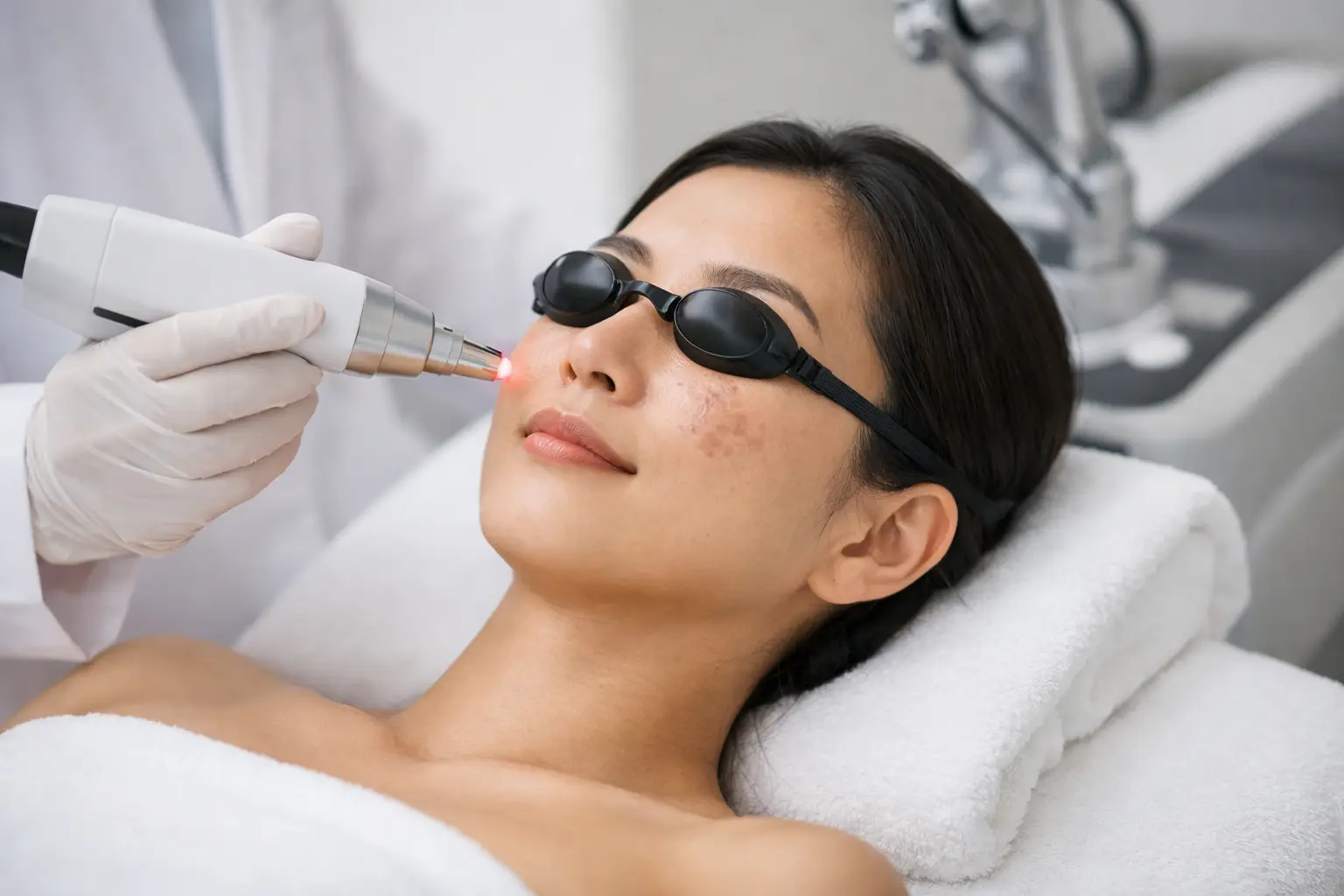
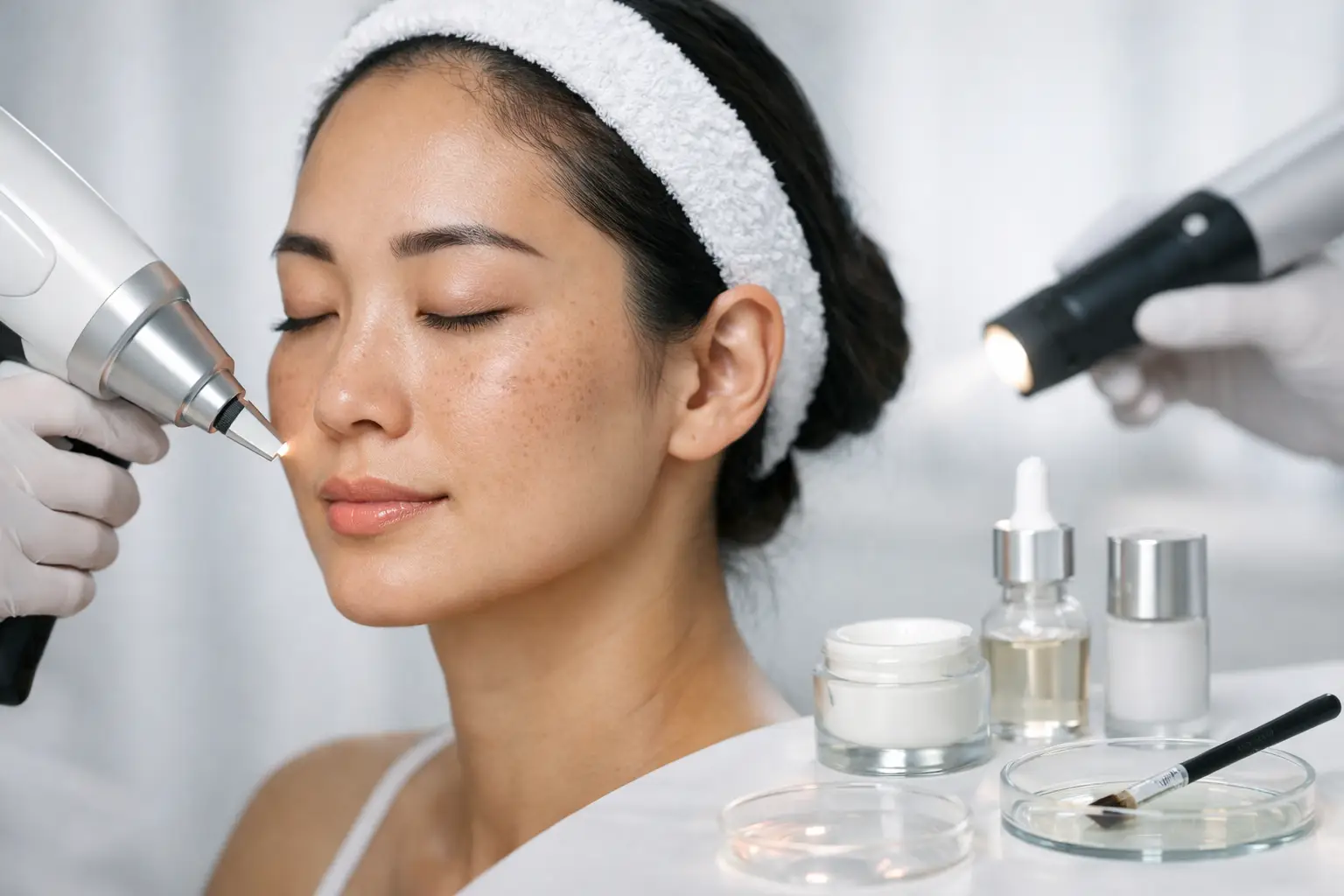
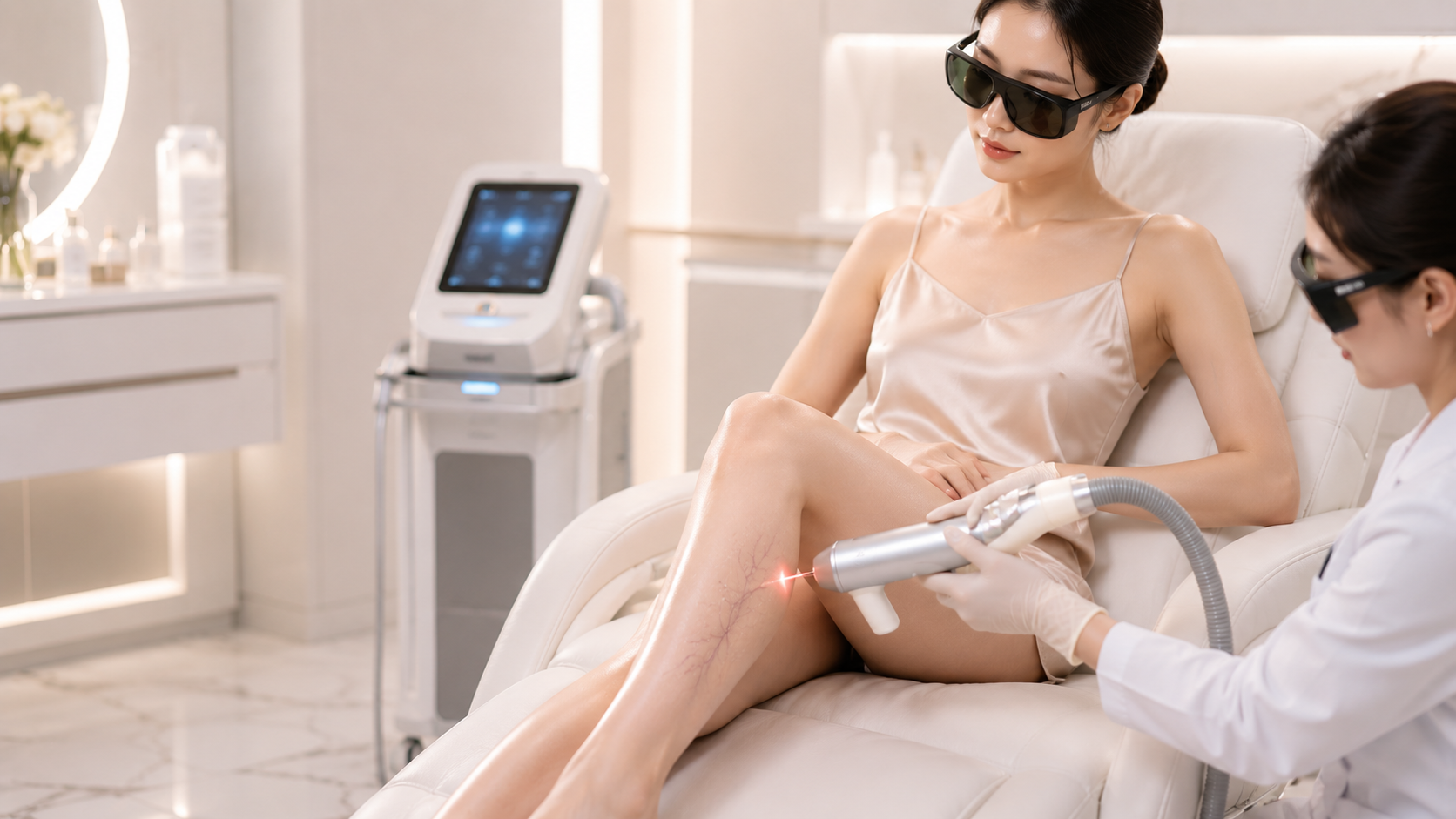
Energy-based skin treatments, such as vascular lasers and intense pulsed light (IPL) systems, are frequently utilized for very fine spider veins, particularly those on the face or those that are too small for needle-based interventions.
These devices operate on the principle of selective photothermolysis. The device emits specific wavelengths of light energy that penetrate the skin and are preferentially absorbed by hemoglobin, the protein responsible for transporting oxygen in the blood. Upon absorption, this light energy converts to heat, causing thermal coagulation within the targeted vessel. The heat damages the endothelial lining of the vein, leading to its collapse. Modern energy-based devices incorporate advanced cooling mechanisms to protect the epidermis from thermal injury during the procedure. However, the precise calibration of energy settings is essential to balance efficacy with safety, primarily to minimize the risk of unwanted pigmentation changes or burns.
Sclerotherapy Procedures
For spider veins located on the legs and thighs, sclerotherapy remains one of the most widely accepted and traditional clinical approaches. This method involves the injection of a liquid or foam sclerosing agent directly into the targeted vein using an ultra-fine micro-needle.
The sclerosing solution acts as a chemical irritant to the internal lining (endothelium) of the blood vessel. This irritation triggers a localized inflammatory response that causes the vein walls to swell, adhere to one another, and eventually seal shut. By disrupting the vessel’s lining, blood flow is immediately diverted to surrounding, healthy venous pathways. Over subsequent weeks, the treated vein becomes fibrotic tissue that is absorbed by the body. Sclerotherapy may require multiple sessions depending on the density and extent of the vascular networks being treated.
Radiofrequency Energy Approaches
Another modality occasionally utilized for small telangiectasias involves the application of precisely controlled radiofrequency energy. Using an extremely fine insulated probe, high-frequency electrical currents are delivered directly to the vessel base. This creates localized thermal energy, leading to the immediate coagulation and thermocoagulation of the vein. This method is highly targeted, aiming to protect adjacent skin tissues from collateral damage. Similar to laser therapies, radiofrequency treatments are often evaluated based on the specific location of the veins, such as sensitive facial areas, and the precise diameter of the vessels.
The Patient Journey: Assessment and Procedure
Undertaking treatment for spider veins within a medical setting involves a structured patient journey, prioritizing safety, accurate diagnosis, and informed consent.
Initial Medical Consultation
The process begins with a comprehensive consultation with a healthcare professional. During this stage, the doctor conducts a thorough medical history review, noting any pre-existing conditions, prior history of blood clots, genetic predispositions, and current medications.
A physical examination of the affected areas is paramount. For lower extremity spider veins, the doctor may utilize a handheld transillumination device or recommend a non-invasive duplex ultrasound. The ultrasound maps the anatomy of the deeper venous system to rule out chronic venous insufficiency or underlying incompetent saphenous veins. If deeper issues are identified, they must generally be addressed before superficial spider veins are treated; otherwise, the visible veins are likely to recur rapidly due to sustained high pressure from below.
Preparation Before Treatment
Once a treatment modality is deemed suitable, patients are provided with specific pre-procedure guidelines. Depending on the chosen treatment, patients may be advised to limit direct sun exposure and avoid tanning to reduce the risk of post-inflammatory hyperpigmentation, particularly if lasers or light-based treatments are utilized.
Patients may also be directed to avoid applying moisturizers, oils, or self-tanners to the skin on the day of the procedure. To minimize the risk of bruising, doctors may advise the temporary cessation of certain supplements or medications that possess blood-thinning properties, provided it is medically safe to do so.
What to Expect During the Procedure
Spider vein treatments are typically performed as outpatient procedures within a clinical setting. The duration of the session varies based on the size of the area being treated but generally ranges from twenty to forty-five minutes.
For injection-based treatments, patients may feel slight pinpricks as the micro-needle is introduced, followed by a mild stinging or cramping sensation as the solution disperses. For energy-based skin treatments, the sensation is often described as a brief, warm snapping feeling against the skin. While clinical discomfort is generally manageable for most individuals, individual pain tolerance varies. Healthcare providers prioritize patient comfort and monitor tissue responses closely throughout the intervention.
If you’re considering spider veins removal in Singapore, you might find it helpful to read about the latest advancements in aesthetic treatments. A related article discusses breakthrough techniques in hair follicle revival, which showcases the ongoing innovations in the field of aesthetic medicine. For more insights, you can check out the article here. Understanding these developments can provide a broader perspective on the options available for enhancing your skin’s appearance.
Managing Expectations: Results and Recovery
| Treatment | Cost | Effectiveness | Recovery Time |
|---|---|---|---|
| Sclerotherapy | 300 – 500 per session | Highly effective | Minimal downtime |
| Laser Therapy | 500 – 800 per session | Effective for small veins | Minimal to no downtime |
| Vein Stripping | 1000 – 3000 | Effective for large veins | Longer recovery time |
Clear communication regarding what happens after the procedure is a critical component of medical aesthetic care. Proper post-care not only supports the body’s healing process but also mitigates potential complications.
Post-Treatment Care and Lifestyle Modifications
For leg vein treatments, the application of graduated compression therapy is often a mandatory component of post-procedure care. Patients are usually required to wear medical-grade compression stockings during the daytime for a specified period, ranging from a few days to several weeks. Compression helps to keep the walls of the treated veins opposed, facilitating firmer closure, reducing post-procedure swelling, and minimizing the risk of trapped blood, which can lead to prolonged pigmentation.
Patients are generally encouraged to maintain standard mobility and engage in light walking immediately after treatment to promote healthy overall circulation. However, strenuous physical activities, heavy lifting, and high-impact exercises are typically restricted for a period to prevent undue pressure on the treated vessels. Furthermore, exposure to extreme heat—such as saunas, hot tubs, and excessively hot showers—should be avoided, as heat induces vasodilation (the widening of blood vessels), counteracting the intended effects of the treatment. Strict sun protection is also mandated to prevent uneven pigmentation in the healing skin.
Potential Risks and Side Effects
As with every medical procedure, treatments for spider veins carry potential risks and side effects. Efficacy and physiological responses are unique to each patient. Mild, transient side effects are common and part of the expected clinical outcome. These may include localized redness, mild swelling, itching, and bruising around the treated sites.
A less common but recognized side effect is post-inflammatory hyperpigmentation, where a brownish discoloration appears along the path of the treated vein due to hemosiderin (iron) deposition from broken-down red blood cells. While this hyperpigmentation frequently resolves gradually over several months, in some instances, it may be persistent.
Another potential consideration is telangiectatic matting, characterized by the appearance of a very fine network of new, reddish spider veins near the treated area. This can happen as a physiological reaction to the treatment and may require additional intervention. Other rare but possible risks include allergic reactions to injected solutions, skin ulceration, or superficial thrombophlebitis. Discussing these specific risks with a medical provider allows individuals to make a fully informed decision regarding their care.
Treatment Outcomes and Longevity
Setting realistic expectations is essential when addressing vascular concerns. Patients must understand that visible improvements are not immediate. The structural breakdown and subsequent physiological clearance of the treated vessels are gradual processes that may span several weeks to months.
Furthermore, spider vein treatments are designed to manage existing vascular structures but do not prevent the natural physiological aging or genetic predispositions that cause new vascular lesions to form in the future. Consequently, outcomes may help improve the overall appearance of the skin, but results vary between individuals and complete clearance is never a guaranteed outcome. Depending on the severity of the condition, multiple treatment sessions spaced several weeks apart are frequently required to achieve optimal clinical management.
Maintenance of vascular health is an ongoing process. Adopting long-term lifestyle modifications, such as regular low-impact exercise, maintaining a healthy body weight, avoiding prolonged static postures, and wearing properly fitted compression garments during long flights, can aid in supporting venous circulation and potentially reducing the rate at which new spider veins develop.
When considering medical interventions for aesthetic concerns, the paramount objective is ensuring patient safety through accurate diagnosis and appropriate procedural selection. Individuals interested in addressing visible vascular lesions should seek a thorough assessment with a licensed medical practitioner in Singapore to comprehensively explore their suitability for these clinical treatments.
FAQs
What are spider veins?
Spider veins, also known as telangiectasia, are small, damaged veins that can appear on the surface of the legs or face. They often look like a spider web or tree branches with their short, jagged lines.
What causes spider veins?
Spider veins can be caused by a variety of factors, including genetics, hormonal changes, pregnancy, obesity, prolonged standing or sitting, and sun exposure. They are more common in women and can also be associated with certain medical conditions.
How are spider veins removed in Singapore?
In Singapore, spider veins can be removed through various treatments such as sclerotherapy, laser therapy, and intense pulsed light (IPL) therapy. These treatments work by causing the veins to collapse and fade over time.
Are spider vein removal treatments in Singapore safe?
Yes, spider vein removal treatments in Singapore are generally safe when performed by qualified and experienced medical professionals. However, as with any medical procedure, there are potential risks and side effects that should be discussed with a healthcare provider.
What is the cost of spider vein removal in Singapore?
The cost of spider vein removal in Singapore can vary depending on the type of treatment, the number of sessions required, and the clinic or medical facility where the procedure is performed. It is recommended to consult with a healthcare provider to discuss the specific cost and treatment options.