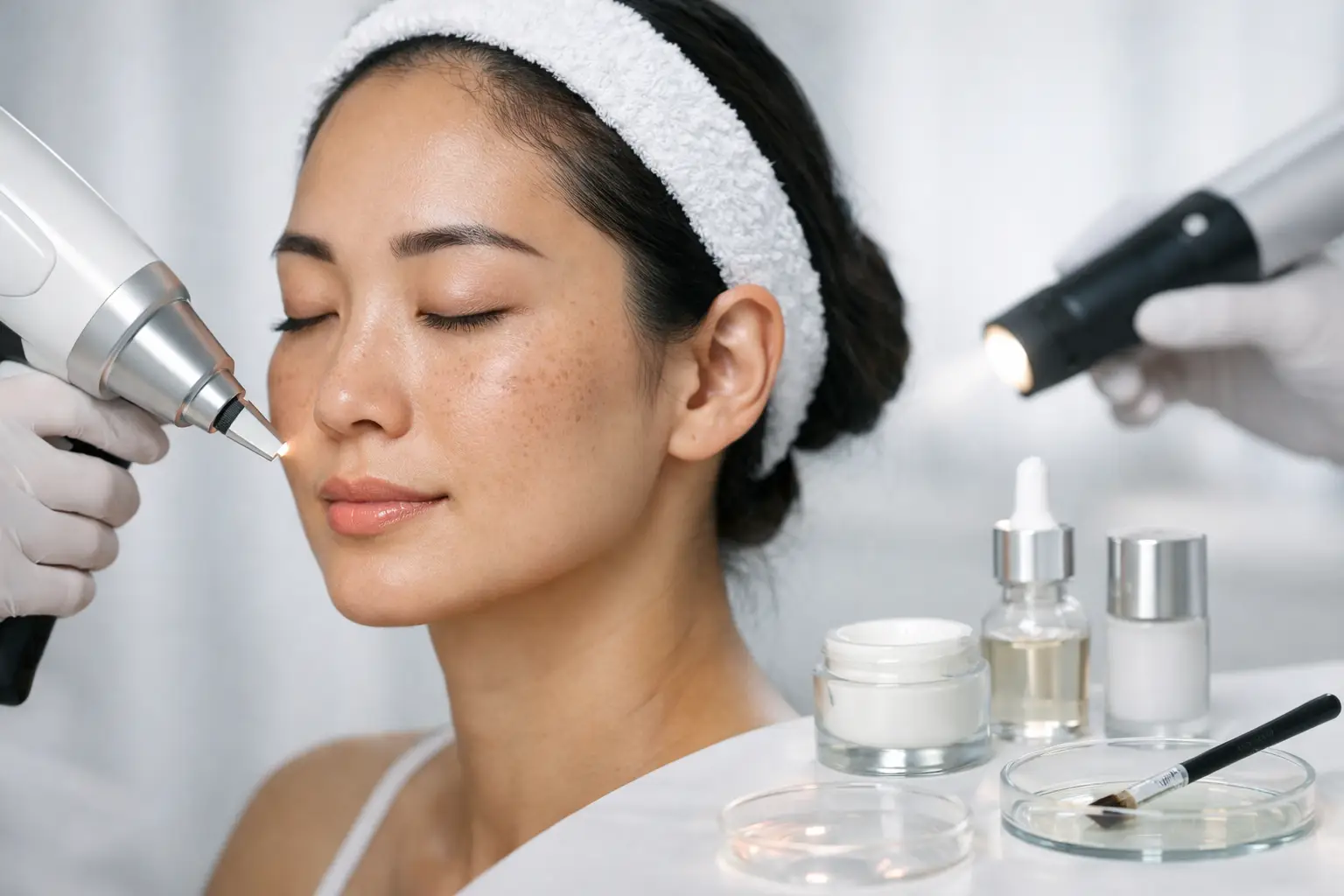
The utilization of energy-based skin treatments has become a fundamental component of aesthetic medicine, providing clinicians with various methods to address differing dermatological concerns. Among the technologies developed in recent years, picosecond laser technology represents a significant scientific evolution in laser dermatology. Unlike earlier generations of laser devices, picosecond lasers are defined by their specific pulse duration, delivering light energy in exceptionally short intervals. Because of this unique delivery system, picosecond technology is frequently utilized to address benign pigmented lesions, manage uneven skin texture, and assist in skin remodeling.
By understanding the physiological mechanisms, typical treatment protocols, and inherent limitations of picosecond lasers, individuals can make informed decisions regarding their aesthetic healthcare journey in consultation with a qualified medical professional.
To comprehend how picosecond laser treatments interact with human tissue, it is essential to explore the physics of laser light delivery. In aesthetic dermatology, laser devices rely on the principle of selective photothermolysis, a process where a specific wavelength of light is absorbed by a targeted chromophore—such as melanin (pigment) or artificial tattoo ink—without causing extensive damage to the surrounding skin tissue.
The Concept of Pulse Duration
The defining characteristic of a picosecond laser is its pulse duration, which is measured in picoseconds. A picosecond is one-trillionth of a second. Earlier energy-based devices traditionally delivered light in nanoseconds (one-billionth of a second). The transition from nanosecond to picosecond pulse durations alters the primary way the laser energy interacts with the target chromophores within the dermal and epidermal layers of the skin.
The Photoacoustic Effect
Because the laser energy is delivered at an ultra-short speed, it leaves minimal time for heat to accumulate and transfer to the surrounding tissue. Consequently, the primary mechanism of action relies less on a photothermal (heat-based) effect and more on a photoacoustic or photomechanical effect. When the target absorbs the rapid pulse of energy, the resulting acoustic wave creates a high-pressure impact that effectively fractures the pigment particles into microscopic fragments. Once pulverized, these fine particles may be more readily cleared by the body’s natural immune system, primarily through macrophages, via a process called phagocytosis.
Laser-Induced Optical Breakdown (LIOB)
Beyond targeting pigment, picosecond laser technology is sometimes equipped with specialized fractional lenses or arrays. These arrays concentrate the laser energy to create isolated microscopic zones of tissue disruption within the dermis, a phenomenon known as Laser-Induced Optical Breakdown (LIOB). Importantly, LIOB occurs beneath the surface of the skin, leaving the uppermost epidermal layer largely intact. The localized intra-epidermal or dermal micro-injuries trigger an inflammatory cascade and an ensuing natural wound-healing response. This biological process stimulates fibroblast activity, which may help enhance the production of structural proteins like collagen and elastin over several months.
Recent studies have highlighted the effectiveness of pico lasers in skin rejuvenation and acne scar treatment, making them a popular choice in aesthetic medicine. For those interested in non-surgical options for achieving a youthful appearance, a related article discussing HIFU treatment can be found here: HIFU Treatment: Non-Surgical Face Lifting for a Youthful Look. This article provides insights into how HIFU complements other treatments like pico lasers for optimal results.
Common Indications in Aesthetic Dermatology
Clinicians selectively utilize picosecond laser treatments to manage a variety of dermatological conditions. The appropriate configuration of the laser—including wavelength, energy settings, and spot size—is carefully calibrated to address specific anatomical and pathological requirements.
Management of Benign Pigmented Lesions
Hyperpigmentation is a common concern characterized by localized overproduction or accumulation of melanin. Picosecond laser treatments may be utilized in the management of superficial and deep benign pigmented lesions, including freckles, solar lentigines (sun spots), Hori’s nevus, and certain birthmarks. Additionally, it may be used as part of a comprehensive management strategy for melasma. However, because melasma is a complex, chronic condition influenced by hormonal variations and vascular factors, laser therapy is generally approached with caution and combined with topical management and strict sun protection. Laser treatments may help lighten the appearance of pigmentation, but multiple sessions are typically required, and recurrence remains an ongoing possibility.
Addressing Skin Texture and Atrophic Scarring
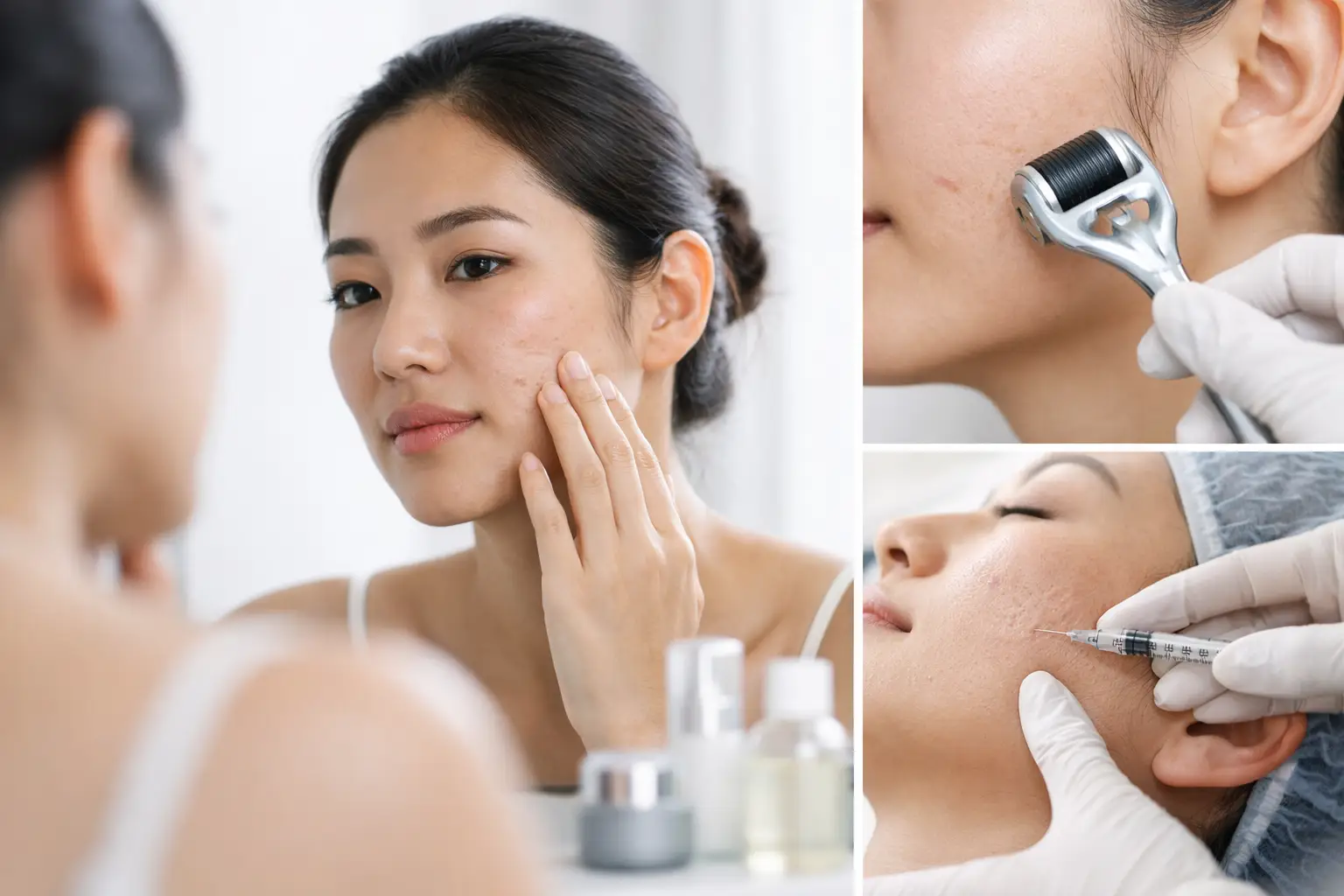
Through the biological processes initiated by LIOB and the subsequent stimulation of collagen, fractional picosecond laser treatments are frequently indicated for textural irregularities. This includes the management of enlarged pores, fine lines, and atrophic acne scarring. By promoting dermal remodeling from within, the overall texture and structural integrity of the skin’s surface may gradually appear more refined over an extended period. Results vary between individuals depending on the severity of the scarring and the individual’s inherent wound-healing capacity.
Tattoo Pigment Fragmentation
The removal or lightening of decorative tattoos was one of the earliest applications of ultrashort pulse laser technology. Because tattoo ink particles reside in the dermis and are often too large for the body’s immune system to process organically, they remain permanent. The intense photoacoustic impact of a picosecond laser is designed to selectively target and shatter these ink particles. Different ink colors absorb different wavelengths of light; therefore, multiple wavelengths must be utilized to treat multi-colored tattoos. While picosecond lasers can fragment a wide spectrum of ink colors, complete clearance is rarely guaranteed, and a faint shadow or “ghost” of the tattoo may remain post-treatment.
The Standard Clinical Treatment Process
Undergoing an energy-based skin treatment requires careful clinical protocols to ensure patient safety and to optimize potential outcomes. The treatment trajectory involves extensive preparation, procedural management, and rigorous post-care adherence.
Comprehensive Pre-Clinical Assessment
A thorough clinical evaluation by a medical professional is the critical first step. During the consultation, the doctor will take a detailed medical history, including an assessment of current medications, prior dermatological treatments, underlying health conditions, and lifestyle habits. The clinician will physically examine the targeted areas to correctly diagnose the type and depth of pigmentation or the specific grade of acne scarring. Photographic documentation may be taken to monitor progress objectively. During this phase, realistic expectations are established, and the practitioner outlines a treatment protocol that reflects the individual’s unique clinical presentation.
Procedural Experience and Sensations
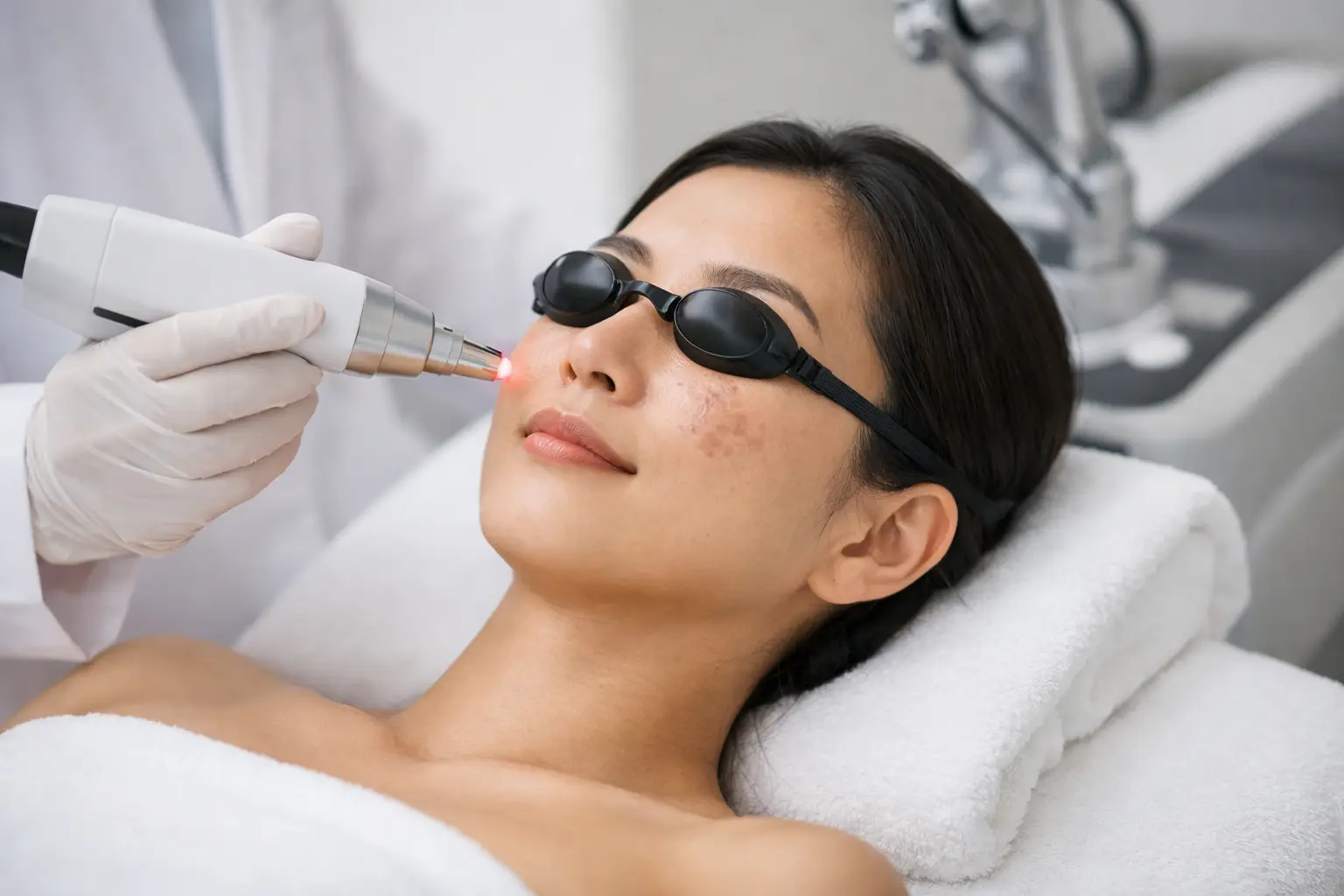
On the day of the procedure, the treatment area is cleansed, and a topical anesthetic cream is typically applied for thirty to sixty minutes to mitigate procedural discomfort. Ocular protection is provided to shield the patient’s eyes from the laser light. As the practitioner delivers the laser pulses, patients often report a sensation akin to a slight, rapid rubber band snap against the skin, accompanied by a localized feeling of warmth or mild prickling. The duration of the active laser session generally ranges from ten to thirty minutes, dependent entirely upon the size of the area being treated and the specific clinical indication.
Essential Post-Treatment Care
Proper aftercare is essential to support the skin’s recovery and reduce the likelihood of complications. Immediately following the procedure, cooling masks or cold compresses may be applied to temporarily alleviate heat sensations and localized erythema (redness). Patients are strictly advised to avoid direct, unprotected sun exposure, particularly in Singapore’s high-ultraviolet climate. The liberal and frequent application of broad-spectrum sunscreen is imperative. Furthermore, patients are generally advised to temporarily suspend the use of potentially irritating topical skincare ingredients, such as alpha-hydroxy acids (AHAs), beta-hydroxy acids (BHAs), and retinoids, until the skin barrier has fully recovered. Gentle cleansers and barrier-repairing moisturizers are recommended.
Evaluating Patient Suitability
Energy-based skin treatments, including picosecond lasers, are medical procedures and are not universally suitable for every individual. Patient selection requires careful clinical judgment to maximize safety and minimize the risk of adverse physiological responses.
Considerations for Different Skin Types
A primary consideration in laser dermatology is the patient’s Fitzpatrick skin type, a classification system used to predict how skin responds to ultraviolet light and laser energy. Individuals with darker skin tones (Fitzpatrick Types IV through VI) have higher concentrations of epidermal melanin. Consequently, there is an increased risk that the laser energy may inadvertently target the natural melanin in the surrounding skin rather than remaining confined to the target lesion. While the photomechanical nature of picosecond lasers is generally considered to present a lower thermal risk than purely heat-based lasers, caution is still required. Practitioners will typically employ lower energy settings or utilize specific wavelengths better suited for darker skin types to mitigate risks.
Medical Contraindications
Several medical conditions and pharmacological variables prevent individuals from safely undergoing picosecond laser therapy. Absolute or relative contraindications include active bacterial, viral, or fungal infections at the treatment site, a history of keloid scarring, poorly controlled autoimmune diseases affecting the skin, and active cutaneous malignancies. Furthermore, patients who are pregnant or nursing are uniformly advised to postpone treatment due to the lack of clinical studies establishing safety for these demographics. Individuals currently taking or who have recently completed a course of oral isotretinoin may also need to delay treatment to prevent atypical scarring and impaired wound healing.
Recent studies have highlighted the effectiveness of pico lasers in treating various skin conditions, including moles and skin lesions. For those considering such treatments, it’s essential to understand the nuances involved. A comprehensive resource on this topic can be found in an article that discusses what to know before removing moles and skin lesions, which provides valuable insights for potential patients. You can read more about it here.
Understanding Limitations, Risks, and Expected Downtime
| Study | Effectiveness | Side Effects |
|---|---|---|
| Study 1 | 80% improvement in skin texture | Minor redness and swelling |
| Study 2 | 70% reduction in pigmentation | No significant side effects reported |
| Study 3 | 90% clearance of acne scars | Mild discomfort during treatment |
All medical procedures inherently carry a degree of risk. A professional consultation will ensure patients are fully educated regarding the anticipated recovery process, potential side effects, and the limitations of the proposed treatment.
Expected Post-Procedural Responses
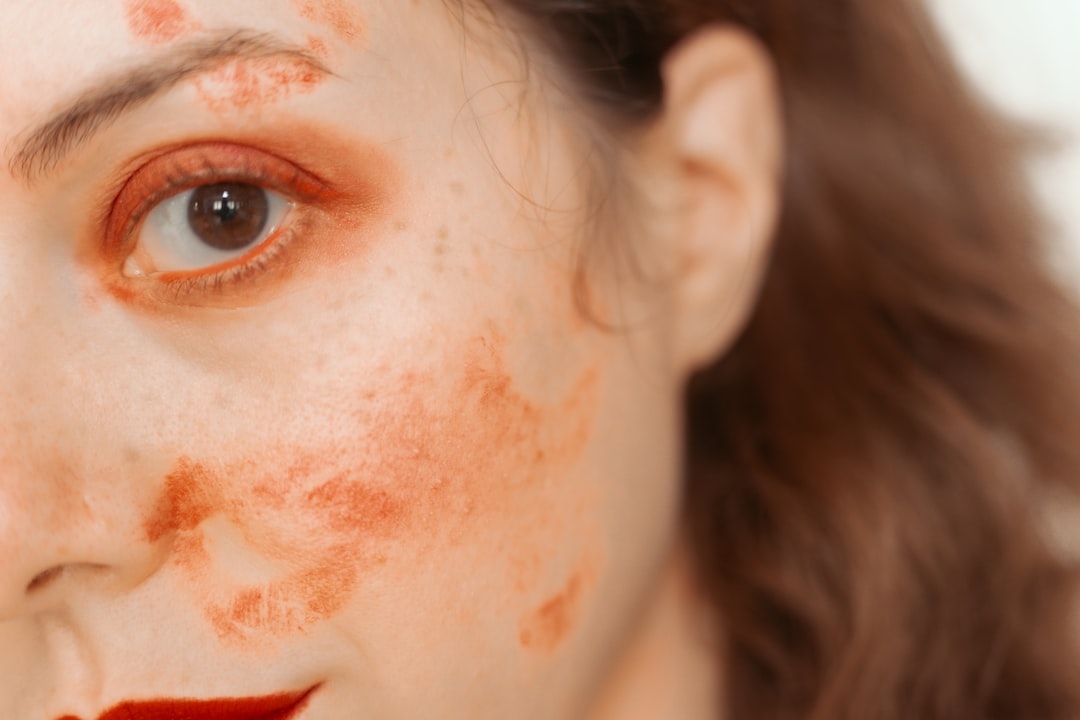
Following a picosecond laser session, it is normal to experience temporary, transient physiological responses. The most common immediate effect is erythema (redness) accompanied by mild edema (swelling), which often resembles a mild sunburn and typically resolves within a few hours to a few days. Depending on the intensity of the treatment and the area targeted, patients may also notice petechiae (pinpoint micro-bleeding beneath the skin) or temporary darkening of the pigmented lesions before they naturally slough off. When managing tattoos or deeper lesions, a phenomenon known as “frosting”—a temporary white discoloration on the skin’s surface—may occur immediately upon laser impact, primarily due to the rapid release of gas bubbles within the tissue.
Potential Adverse Effects
While severe complications are rare when the procedure is performed by qualified clinicians using appropriate parameters, potential adverse effects must be acknowledged. Post-inflammatory hyperpigmentation (PIH) is one of the most prominent risks, especially in regions with high ambient UV indexes like Singapore. PIH refers to an overproduction of pigment triggered by the skin’s inflammatory response to the laser energy. Conversely, hypopigmentation (a loss of natural skin pigment) may also occur, which can occasionally be protracted or permanent. Other rare but possible risks include blistering, infections, and textural changes or scarring, particularly if post-treatment care instructions are poorly followed.
The Importance of Realistic Expectations
Aesthetic dermatology is an evolving medical discipline, and clinical outcomes differ significantly among patients. There is no single treatment that provides a guaranteed or permanent resolution for all dermatological concerns. Picosecond laser treatments typically necessitate a series of sessions spaced several weeks apart to achieve desired clinical endpoints incrementally. For conditions like melasma or age-related skin textural changes, long-term maintenance and adherence to protective lifestyle measures are essential, as the laser treats the existing manifestation but may not halt the underlying aging processes or genetic predispositions. Therefore, patients should pursue treatments to improve and manage their specific concerns, understanding that biological responses to laser stimuli vary heavily between individuals.
FAQs
What is a pico laser and how does it work?
A pico laser is a type of laser technology that delivers ultra-short pulses of energy to the skin in picoseconds (trillionths of a second). This rapid delivery of energy helps to break up pigmentation and stimulate collagen production in the skin.
What skin concerns can pico laser effectively treat?
Pico laser is effective in treating a variety of skin concerns, including pigmentation issues such as sun spots, age spots, and melasma, as well as acne scars, fine lines, and wrinkles. It can also be used for tattoo removal.
Is pico laser treatment safe for all skin types?
Pico laser treatment is generally safe for all skin types, including darker skin tones. However, it is important to consult with a qualified and experienced dermatologist or laser specialist to determine if pico laser is the right treatment for your specific skin concerns.
How many sessions of pico laser treatment are typically needed to see results?
The number of pico laser treatment sessions needed to see results can vary depending on the individual’s skin concerns and the area being treated. However, most patients typically require multiple sessions, spaced several weeks apart, to achieve optimal results.
What are the potential side effects of pico laser treatment?
Some potential side effects of pico laser treatment may include temporary redness, swelling, and mild discomfort. In rare cases, there may be a risk of hyperpigmentation or hypopigmentation, especially in individuals with darker skin tones. It is important to discuss potential side effects with a qualified professional before undergoing pico laser treatment.