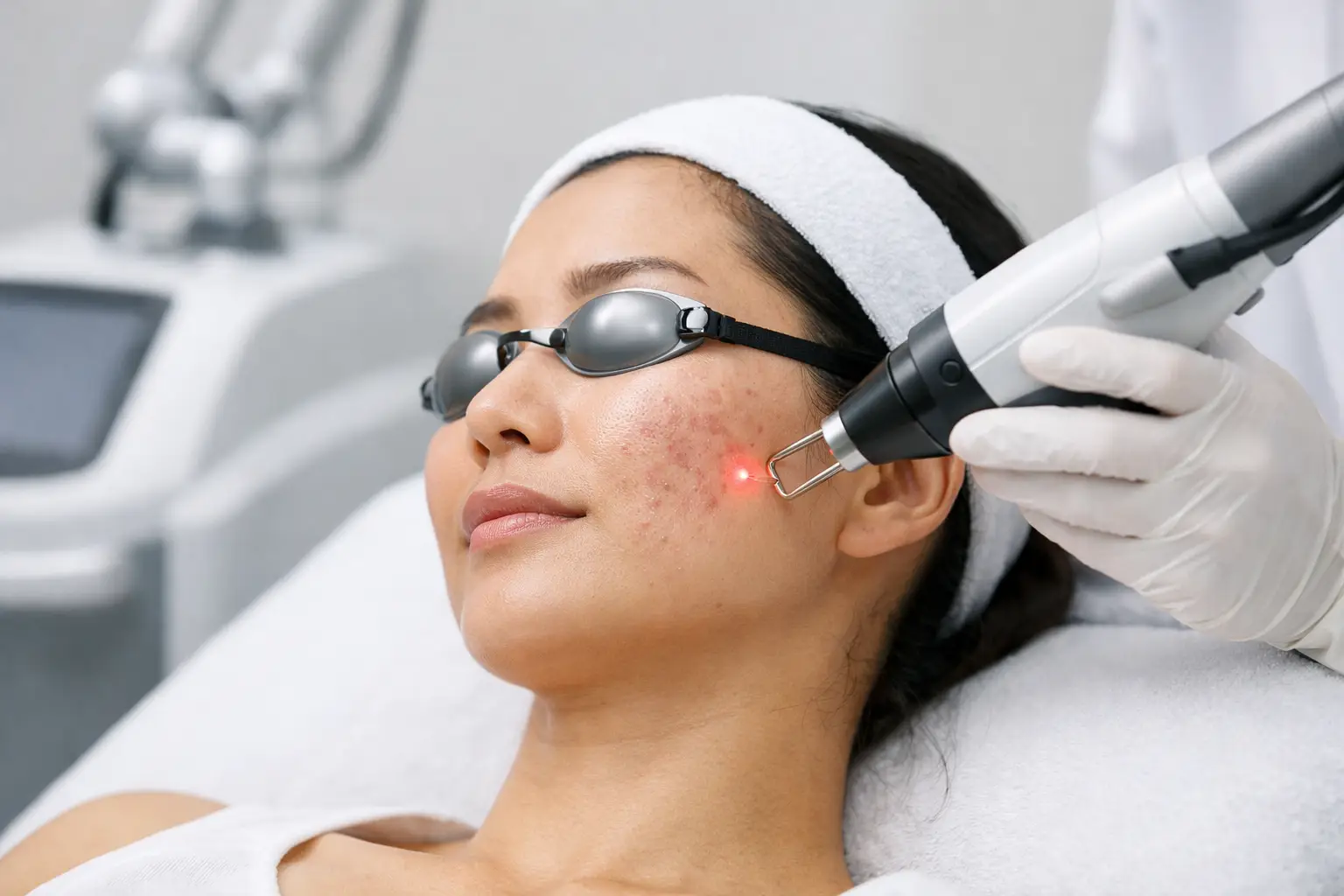
Living in a tropical climate like Singapore involves near year-round exposure to solar ultraviolet (UV) radiation. Over time, this chronic exposure can lead to the development of various skin concerns, with hyperpigmentation being one of the most frequently encountered by dermatologists and aesthetic practitioners. Pigmentation occurs when the skin produces an excess of melanin, leading to darkened patches that contrast with the surrounding skin tone.
While topical skincare formulations offer foundational support for overall skin health, many individuals explore medical aesthetics for more targeted approaches to stubborn pigmentary concerns. Energy-based skin treatments, commonly referred to as laser pigmentation removal, serve as one of the primary modalities utilized in clinics to address these issues. It is important to understand that these procedures are medical treatments; results vary between individuals, and any intervention should be approached with a comprehensive understanding of the science, the patient’s specific skin type, and the potential risks involved.
Before exploring how energy-based skin treatments function, it is necessary to examine the underlying biological processes that cause pigmentation to develop. Human skin colour is primarily determined by varying amounts of melanin, a pigment produced by specialised cells called melanocytes located at the basal layer of the epidermis.
How Pigmentation Develops
When the skin is exposed to triggers such as ultraviolet (UV) radiation, inflammation, or hormonal fluctuations, melanocytes are stimulated to produce more melanin as a protective biological response. This melanin is then transferred to adjacent skin cells (keratinocytes). While a uniform distribution of melanin creates an even skin tan, localised overproduction or clustering of melanin presents as distinct hyperpigmented spots or patches. The depth of this melanin deposition—whether it is situated superficially in the epidermis or deeper within the dermis—dictates how the pigmentation presents aesthetically and how it must be medically managed.
Common Types of Pigmentation in Singapore
Due to the predominantly Asian demographic in Singapore, practitioners often encounter specific manifestations of hyperpigmentation. Recognizing these distinct types is essential, as the management approach differs significantly for each.
Melasma: Often appearing as symmetrical, brownish patches on the cheeks, forehead, nose, or upper lip, melasma is strongly associated with hormonal changes, genetic predisposition, and UV exposure. It is a chronic condition that is notably sensitive to heat and inflammation, meaning it requires very careful, gentle management rather than aggressive intervention.
Solar Lentigines: Generally known as sun spots or age spots, solar lentigines are well-defined, flat, darkened areas of skin. They are a direct consequence of cumulative sun damage over many years and typically appear on areas frequently exposed to the sun, such as the face, hands, and shoulders.
Freckles (Ephelides): These are small, light brown spots that often appear in clusters. While genetics play a substantial role in determining who develops freckles, their appearance is heavily exacerbated by sun exposure. They are typically superficial and may lighten during periods of reduced sun exposure.
Post-Inflammatory Hyperpigmentation (PIH): PIH develops as a reactive response to skin injury or severe inflammation. Typical precursors include active acne breakouts, eczema, insect bites, or even traumatic mechanical treatments. As the skin repairs the initial damage, excess melanin is deposited in the affected area.
Hori’s Nevus: Very common in individuals of Asian descent, Hori’s nevus presents as mottled, bluish-grey to brown patches, usually located bilaterally on the cheekbones. Unlike freckles, this pigmentation lies deep within the dermal layer of the skin, making it unresponsive to over-the-counter topical lightening creams.
If you’re considering laser pigmentation removal in Singapore, you may also find it beneficial to explore the effectiveness of tranexamic acid in treating melasma. This related article discusses how tranexamic acid can be a valuable option for those struggling with pigmentation issues, complementing laser treatments. For more information, you can read the article here: Is Tranexamic Acid Effective in Treating Melasma?.
The Science Behind Laser Pigmentation Removal
Energy-based skin treatments utilise advanced optics and physics to target unwanted pigment within the skin. The fundamental principle that enables these devices to work safely is known as selective photothermolysis.
How Energy-Based Skin Treatments Target Melanin
Selective photothermolysis refers to the use of a specific wavelength of light to selectively heat a target tissue (in this case, melanin) without causing unnecessary thermal damage to the surrounding healthy skin. When an energy-based skin treatment is administered, the device emits highly concentrated beams of light energy. Melanin absorbs this light energy, which rapidly converts into heat or acoustic energy.
This rapid influx of energy causes the targeted melanin particles to shatter into much smaller microscopic fragments. Once the melanin cluster has been safely fractured, the body’s natural immune system goes to work. Specialised scavenger cells, known as macrophages, gradually engulf and metabolise these small pigment fragments, eventually clearing them from the body through the lymphatic system. Over consecutive sessions, this process may help reduce the appearance of the targeted pigmented lesion.
Different Classes of Pigmentation Lasers
There are various generic classes of energy-based skin treatments used to address pigmentation. These devices are generally categorised by their wavelengths and their pulse durations—the amount of time the light energy is delivered to the skin.
Nanosecond Technology (Q-Switched Lasers): These devices emit light energy in billionths of a second (nanoseconds). By delivering high-intensity energy in such short bursts, Q-switched lasers are highly effective at generating the heat required to break apart melanin. They have been utilized in medical aesthetics for decades and remain a staple for addressing epidermal and dermal pigmentation.
Picosecond Technology: More recent advancements have introduced picosecond lasers, which deliver energy pulses in trillionths of a second. This significantly shorter pulse duration creates a predominantly photoacoustic effect rather than a purely photothermal (heat) effect. The intense acoustic shockwave is able to shatter pigment into extremely fine particles while minimising the amount of thermal energy transferred to the surrounding skin. This characteristic may be particularly beneficial for treating heat-sensitive conditions or for use on darker skin types that are highly susceptible to collateral thermal damage.
Regardless of the technology used, practitioners will utilise different wavelengths (such as 532 nm or 1064 nm) depending on whether the target pigment is located superficially in the epidermis or deeply within the dermis.
Factors Influencing Pigmentation Treatment Suitability
The decision to proceed with energy-based skin treatments should never be taken lightly. Skin biology is highly complex, and treating pigmentation is not a one-size-fits-all endeavour. Treatment suitability is heavily influenced by a patient’s unique physiological makeup.
Assessing Skin Type and Condition
Dermatologists and medical practitioners generally classify skin using the Fitzpatrick scale, which gauges how different skin types respond to UV light. Many individuals in Singapore have Fitzpatrick Skin Types III, IV, or V. Asian skin profiles are inherently rich in active melanocytes. While this affords some natural protection against UV radiation, it also means the skin is highly reactive.
If laser energy is applied too aggressively, or if the incorrect wavelength is used on darker skin types, the melanocytes can become overstimulated by the heat and inflammation. Instead of clearing the pigmentation, the treatment may trigger a defensive reaction, further darkening the skin. Therefore, understanding the subtle nuances of the patient’s skin type is a critical component of treatment planning.
The Role of Medical Evaluation
A primary determinant in the success of any aesthetic procedure is an accurate initial diagnosis. Because different types of pigmentation can coexist on the same face—and can sometimes mimic one another—a professional medical evaluation is crucial.
For instance, addressing solar lentigines (sun spots) may involve moderate energy settings designed to create controlled desquamation (flaking) of the superficial pigment. Conversely, applying those same moderate energy settings to a patch of melasma could disastrously worsen the condition, as melasma requires a highly conservative, low-heat strategy to prevent rebound pigmentation. A thorough consultation involves discussing medical history, current medications, previous sun exposure, and lifestyle factors to establish a comprehensive management plan.
The Treatment Process and Patient Journey
Understanding the step-by-step process of energy-based skin treatments helps in establishing appropriate expectations and ensures that patients are adequately prepared for their role in the treatment cycle.
Pre-Treatment Preparation
Proper skin preparation often dictates the safety and efficacy of the upcoming procedure. Patients are usually advised to avoid excessive sun exposure, tanning beds, and aggressive facial treatments for at least two to four weeks prior to their session. Sunburned or tanned skin is highly reactive and poses a significant risk for complications if treated with laser energy. Furthermore, the practitioner may advise the temporary cessation of certain active topical skincare ingredients, such as alpha-hydroxy acids (AHAs), beta-hydroxy acids (BHAs), and retinoids, in the days leading up to the appointment to minimise baseline skin irritation.
What to Expect During the Procedure
On the day of the procedure, the patient’s skin is thoroughly cleansed to remove all traces of makeup, oil, and sunscreen. Depending on the intensity of the proposed treatment and the patient’s pain tolerance, a topical anaesthetic cream may be applied to the target area for roughly 30 to 45 minutes to numb the skin surface.
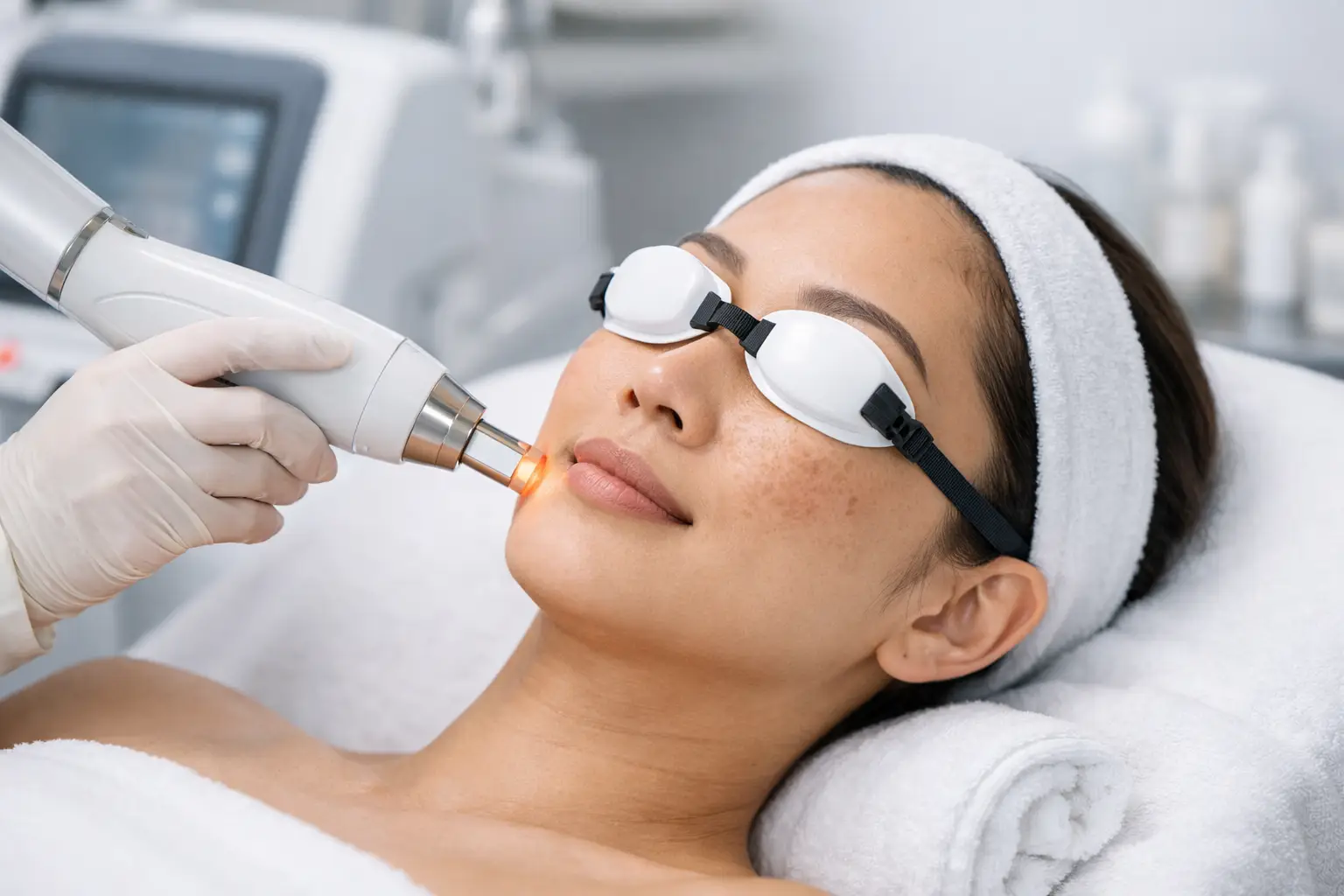
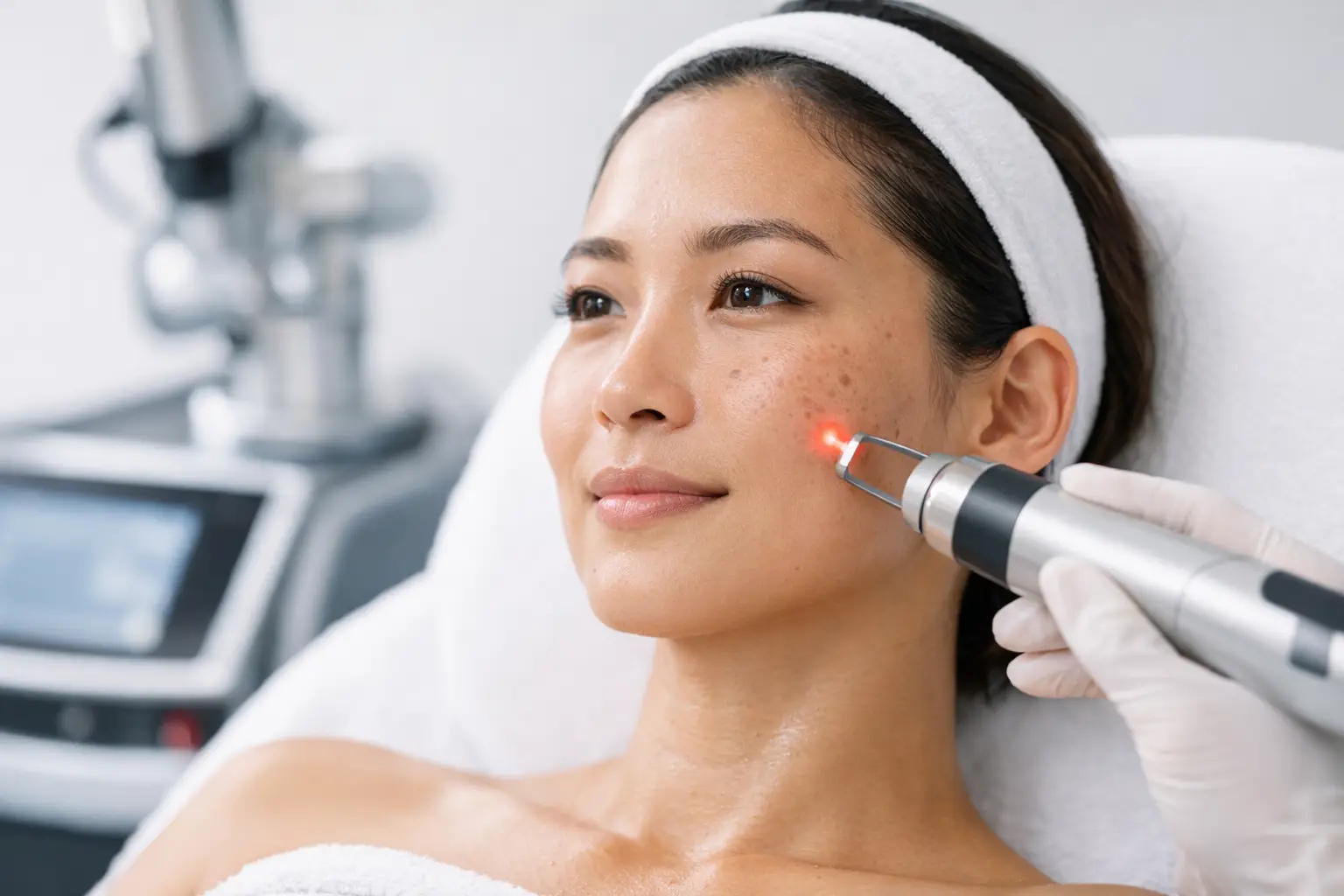
The patient is provided with specialised protective eyewear to shield their eyes from the high-intensity light. During the treatment, the practitioner directs the device’s handpiece over the targeted pigmentation. The sensation experienced during the procedure is frequently described as resembling the light, rapid snapping of a rubber band against the skin, accompanied by a sensation of mild warmth. The duration of the session varies, generally lasting anywhere from 10 to 30 minutes depending on the size of the area being addressed.
Post-Treatment Care and Recovery
Directly following the session, a cooling mask or cold compresses may be applied to soothe the skin. The immediate visual outcome depends heavily on the type of pigmentation treated and the energy settings used. For superficial targets like freckles, the spots may temporarily darken and form a very thin, superficial scab or crust, which naturally exfoliates over the course of a week. For deeper dermal treatments, or gentle melasma management, there may be no visible crusting, but rather a mild, generalised flushing resembling a light sunburn that resolves within a few hours.
Post-treatment care is absolutely vital. Patients must adhere to gentle cleansing routines, use fragrance-free moisturisers to support the skin barrier, and strictly avoid UV exposure. The application of a broad-spectrum sunscreen with an SPF of at least 30, coupled with physical barriers like hats or umbrellas, is non-negotiable in the weeks following the treatment.
If you’re considering laser pigmentation removal in Singapore, you might also be interested in exploring other aesthetic treatments that can enhance your appearance. For instance, many people are curious about the benefits of Botox and how it can complement skin treatments. You can read more about this in a helpful article titled The Beginner’s Guide to Botox: Is It Right for You?, which provides insights into whether this popular procedure could be a good fit for your beauty regimen.
Potential Risks, Side Effects, and Realistic Expectations
| Treatment Center | Price Range | Number of Sessions | Effectiveness |
|---|---|---|---|
| Center A | 200 – 400 per session | 4-6 sessions | Highly effective |
| Center B | 300 – 500 per session | 6-8 sessions | Effective |
| Center C | 400 – 600 per session | 8-10 sessions | Moderately effective |
While energy-based skin treatments are considered an established medical option for pigmentary concerns, a responsible approach requires the acknowledgement that all medical procedures carry inherent risks. Setting realistic expectations is essential to a satisfying patient journey.
Common and Transient Side Effects
It is completely normal to experience mild, temporary side effects following a session. Expected reactions include transient erythema (redness), slight swelling or puffiness around the treated lesions, and a mild sensation of heat. As previously mentioned, temporary darkening of the treated spots before they slough off is an intended outcome for certain specific superficial lesions. These initial side effects typically subside spontaneously within a few days when managed with appropriate post-care protocols.
Mitigation of Complications
More significant clinical complications can occur, particularly if contraindications are ignored or post-care instructions are not diligently followed.
One of the primary risks, particularly for Asian skin, is Post-Inflammatory Hyperpigmentation (PIH), where the thermal energy triggers further melanin overproduction. Another risk is hypopigmentation, a condition in which the melanocytes are inadvertently damaged or destroyed, resulting in permanent, hypomelanotic (white) patches on the skin. There is also a small risk of blistering, scarring, or textural changes if excess thermal damage occurs. To mitigate these risks, practitioners usually start with conservative energy settings, monitor the skin’s clinical endpoint closely during the session, and space treatments adequately to allow for cellular recovery.
It is important to remember that improvements are rarely instantaneous. Because the body’s macrophage system requires time to naturally clear the disrupted pigment particles, improvements occur gradually over several weeks. Most pigmentary conditions demand a series of multiple sessions to achieve a noticeable reduction.
Furthermore, patients must understand that there is no absolute cure or permanent removal guarantee for most forms of pigmentation. Melasma and freckles, for example, have strong genetic and environmental drivers. Even after a successful series of energy-based skin treatments, continued maintenance sessions and lifelong commitment to rigorous sun protection are required to prevent recurrence. Results vary between individuals depending on their physiological response, lifestyle habits, and adherence to medical advice.
In closing, energy-based skin treatments represent a sophisticated scientific approach to managing unwanted pigmentation. By directing specific wavelengths of light to target melanin selectively, these procedures may help improve the objective appearance of skin tone and clarity. However, this is a nuanced medical process that demands a deep understanding of skin biology and laser physics. Individuals considering such procedures should seek a thorough evaluation by a qualified medical professional to understand the options most suitable for their specific needs, mitigating risks while working toward a healthier-looking complexion.
FAQs
What is laser pigmentation removal?
Laser pigmentation removal is a non-invasive cosmetic procedure that uses laser technology to target and break down excess melanin in the skin, reducing the appearance of pigmentation such as sun spots, age spots, and freckles.
How does laser pigmentation removal work?
During the procedure, a specialized laser is used to emit short pulses of light energy that are absorbed by the pigmented areas of the skin. This energy breaks down the excess melanin, which is then naturally eliminated by the body, resulting in a more even skin tone.
Is laser pigmentation removal safe?
When performed by a qualified and experienced practitioner, laser pigmentation removal is generally considered safe. However, there may be some risks and side effects, such as temporary redness, swelling, or changes in pigmentation. It is important to consult with a dermatologist or licensed practitioner to discuss the potential risks and benefits.
How many sessions are typically required for laser pigmentation removal?
The number of sessions required for laser pigmentation removal can vary depending on the individual’s skin type, the severity of the pigmentation, and the specific laser technology used. On average, most patients may require multiple sessions spaced several weeks apart to achieve optimal results.
Where can I find laser pigmentation removal in Singapore?
Laser pigmentation removal services are offered by dermatology clinics, medical spas, and aesthetic centers in Singapore. It is important to research and choose a reputable and licensed facility with qualified practitioners to ensure safe and effective treatment.