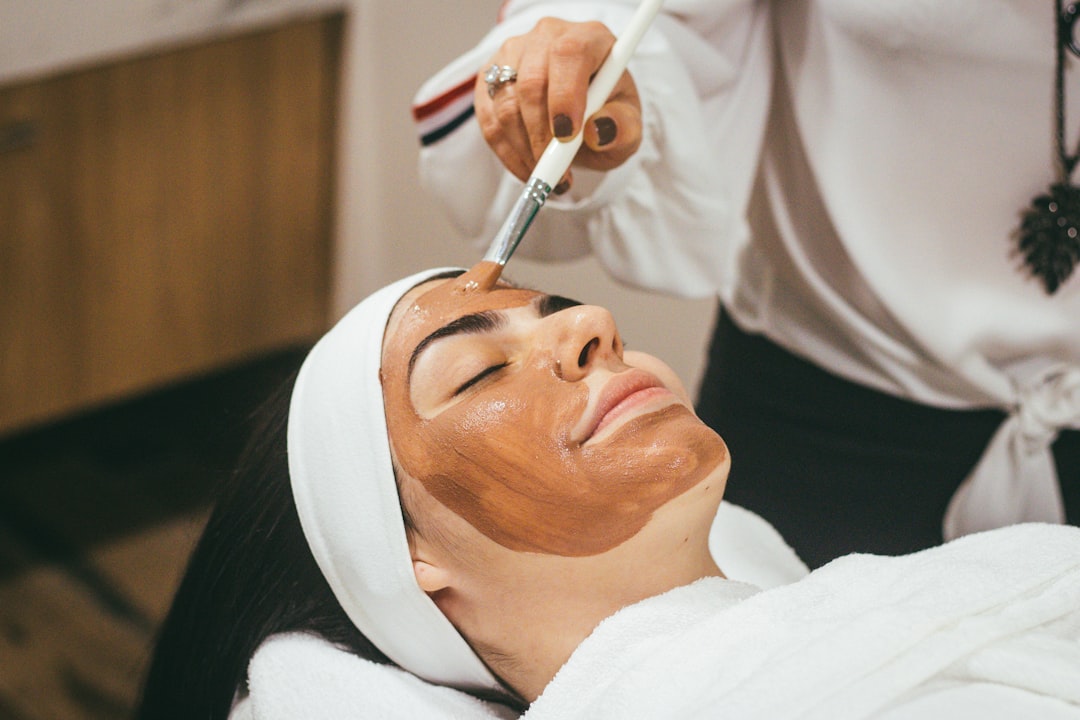
Living in Singapore means experiencing a year-round tropical climate, which brings consistent exposure to ultraviolet (UV) radiation. While sunshine is a natural part of daily life, chronic sun exposure is a primary contributor to the development of skin pigmentation. For individuals seeking to manage uneven skin tone, hyperpigmentation, and dark spots, energy-based skin treatments, such as laser therapy, represent a recognized modality in aesthetic medicine.
The goal of this article is to provide an objective, educational overview of how pigmentation develops, the science behind laser removal technologies, and the factors to consider before undergoing such medical aesthetic procedures. It is important to note that treatment outcomes are highly individual, and while medical therapies may help improve the appearance of pigmentation, results vary between individuals.
To comprehend how laser treatments address uneven skin tone, it is first necessary to understand the biological mechanisms underlying skin pigmentation.
How Pigmentation Develops
Skin color is primarily determined by a pigment called melanin, which is produced by specialized cells known as melanocytes located at the base of the epidermis (the outer layer of the skin). Melanin serves a protective function, absorbing harmful UV rays to defend the skin’s DNA from damage.
When the skin is exposed to UV radiation, melanocytes are triggered to produce more melanin through the activation of an enzyme called tyrosinase. In a healthy, balanced state, this melanin is distributed evenly, resulting in a uniform tan. However, due to various factors—including chronic sun exposure, hormonal fluctuations, aging, and skin inflammation—melanocytes may become overactive. This leads to an excessive, localized accumulation of melanin, manifesting clinically as hyperpigmentation or dark spots.
Common Types of Pigmentation
Pigmentation is broadly categorized by its depth (epidermal, dermal, or mixed) and its cause. Proper identification is crucial because different types of pigmentation require different management strategies.
- Melasma: Often appearing as symmetrical, brownish patches on the cheeks, forehead, and upper lip, melasma is frequently linked to hormonal changes (such as pregnancy or the use of oral contraceptives) and is exacerbated by UV and visible light exposure. Melasma is known for its complex pathology, involving both pigmentary and vascular components, and it is largely considered a chronic condition that requires long-term management rather than a simple cure.
- Solar Lentigines (Sun Spots or Age Spots): These are well-defined, flat, darkened patches that develop on sun-exposed areas such as the face, hands, and décolletage. They are a direct result of cumulative UV damage over an individual’s lifetime.
- Ephelides (Freckles): Typically genetic, these small, light brown spots become more prominent with sun exposure and may fade during periods of lower UV index. They predominantly affect the epidermal layer of the skin.
- Post-Inflammatory Hyperpigmentation (PIH): PIH occurs in response to an injury or inflammation of the skin, such as acne, eczema, or thermal injury. The inflammation stimulates melanocytes to release surplus pigment, leaving behind darkened marks even after the underlying skin issue has healed.
If you’re considering laser pigmentation removal in Singapore, you might find it helpful to explore related topics such as hair loss treatments. Understanding the various skin and hair concerns can provide a more comprehensive approach to your aesthetic needs. For expert insights on hair loss treatment options, check out this informative article: Expert Tips and Strategies for Hair Loss Treatment.
The Science Behind Laser Pigmentation Treatment
Medical laser technology provides a targeted approach to managing surplus melanin. Rather than indiscriminately removing layers of skin, modern aesthetic lasers utilize precise principles of physics to address pigment.
How Energy-Based Skin Treatments Target Pigment
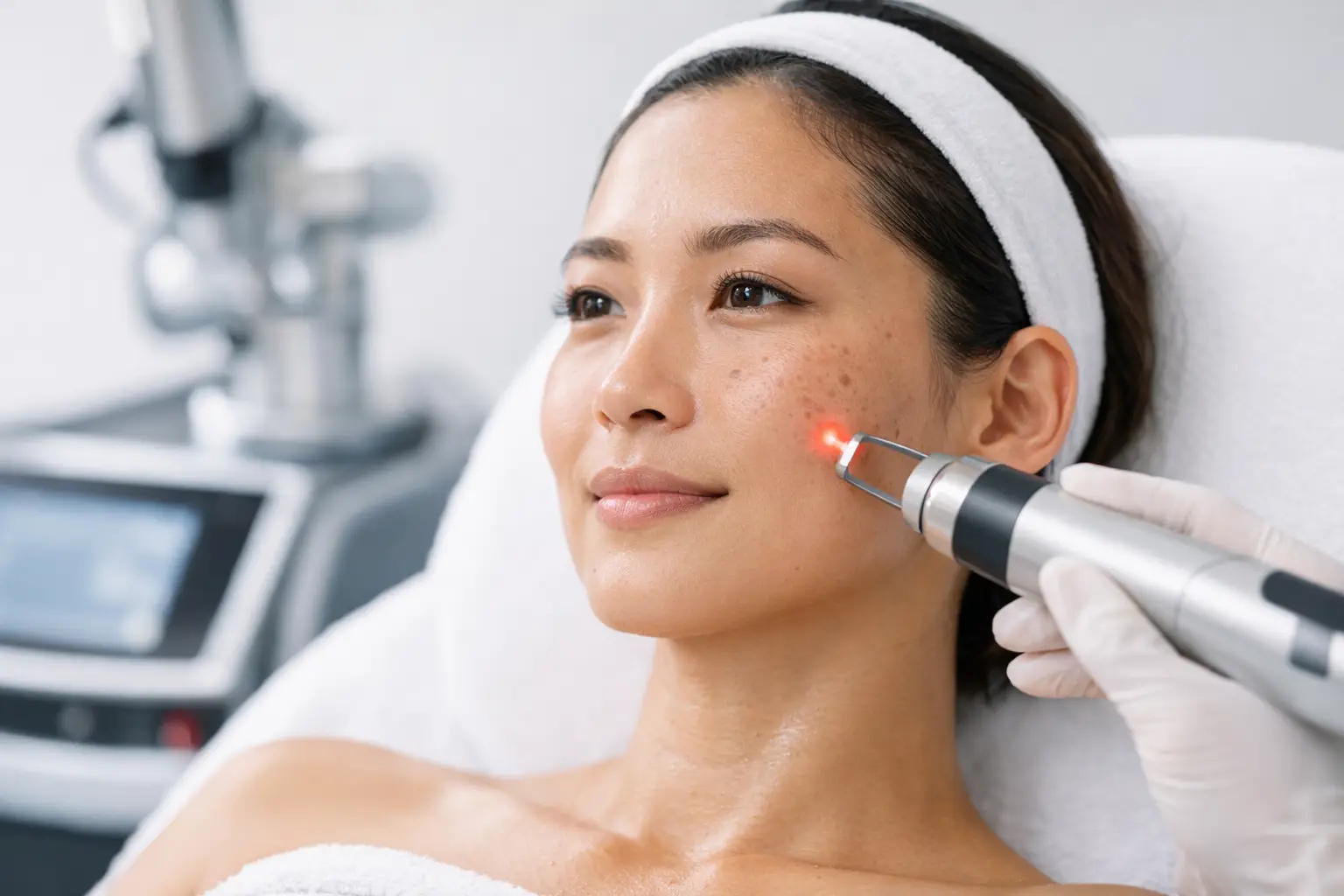
Laser therapies operate on the principle of “selective photothermolysis.” This concept involves using a specific wavelength of light energy that is preferentially absorbed by a target chromophore—in this case, melanin—while bypassing the surrounding normal skin tissue.
When the laser energy is absorbed by the excess melanin, it is converted into heat or acoustic energy. This rapid energy transfer shatters the targeted pigment particles into microscopic fragments. Once the melanin is fragmented, the body’s natural immune system, specifically cells called macrophages, gradually metabolizes and clears these particles away, resulting in a gradual lightening of the pigmented lesion.
Pulse Durations: Nanosecond vs. Picosecond Technology
Energy-based skin treatments differ not only in their wavelengths but also in their pulse durations—the speed at which the laser energy is delivered to the skin.
- Nanosecond Lasers: Traditionally known as Q-switched lasers, these devices deliver light energy in nanoseconds (one billionth of a second). They primarily utilize photothermal (heat-based) energy to break down pigment. They have been utilized in medical aesthetics for decades and remain a standard modality for various epidermal and dermal pigmentation issues.
- Picosecond Lasers: More recent technological developments have introduced lasers capable of delivering energy in picoseconds (one trillionth of a second). The ultra-short pulse duration relies more heavily on a photomechanical or photoacoustic effect. This creates a pressure wave that shatters pigment into even finer particles with less heat diffusion to the surrounding tissue, which may help to minimize the risk of thermal injury in certain skin types.
The Role of Wavelengths in Pigment Targeting
Pigmented lesions reside at different depths within the skin. As such, clinicians utilize diverse laser wavelengths to target specific depths safely:
- Shorter Wavelengths: These are highly absorbed by melanin but do not penetrate deeply into the skin. They are typically used for superficial, epidermal pigmentation such as freckles and superficial sun spots.
- Longer Wavelengths: These penetrate deeper into the dermis and have a lower absorption rate by epidermal melanin. This makes them suitable for deeper pigmentary disorders and generally safer for darker skin types, as they bypass the surface pigment to target the deeper dermal concerns without excessively damaging the epidermal layer.
Factors Influencing Pigmentation Treatment
There is no singular approach to managing hyperpigmentation. A treatment plan must be carefully tailored to the individual, taking several critical factors into consideration.
Individual Skin Types and Conditions
In aesthetic medicine, skin types are often classified using the Fitzpatrick scale, which ranges from Type I (very fair skin that always burns) to Type VI (deeply pigmented skin that never burns). The diverse demographic in Singapore generally falls between Type III and Type V.
Asian skin types typically possess a higher baseline of active melanocytes. While this provides some intrinsic protection against UV damage, it also means the skin is far more reactive to trauma and heat. Consequently, aggressive laser parameters can inadvertently trigger an inflammatory response, leading to post-inflammatory hyperpigmentation. A cautious, gradual approach using appropriate wavelengths and conservative energy settings is generally required to manage these risks effectively.
Sun Exposure and Lifestyle Habits
An individual’s lifestyle plays a significant role in the success of any pigmentation management plan. Lasers target existing pigment, but they do not alter the biological tendency of the skin to produce new pigment upon UV exposure. Patients who spend extensive time outdoors or neglect sun protection will likely experience a rapid recurrence of their pigmentation.
The Importance of a Professional Assessment
Because certain conditions, like melasma, are highly complex and can be worsened by the wrong type of laser treatment, an accurate clinical diagnosis is paramount. A comprehensive evaluation by a medical professional helps determine the depth, type, and cause of the hyperpigmentation, ensuring that the prescribed energy-based skin treatment is clinically appropriate.
What to Expect During a Laser Treatment Process
For those considering laser treatment in a medical aesthetic clinic, understanding the standard clinical pathway is vital for setting realistic expectations.
The Consultation Phase
A responsible treatment journey always begins with an in-depth consultation. During this phase, the clinician will take a detailed medical history, including any current medications, past skin treatments, and skincare routines. Certain medications can render the skin photosensitive, increasing the risk of adverse reactions. The clinician will assess the pigmentation, discuss potential risks and benefits, and outline a tailored treatment protocol.
The Treatment Experience
On the day of the procedure, the skin is thoroughly cleansed. Depending on the specific laser technology being used and the patient’s pain tolerance, a topical numbing formulation may be applied to ensure comfort.
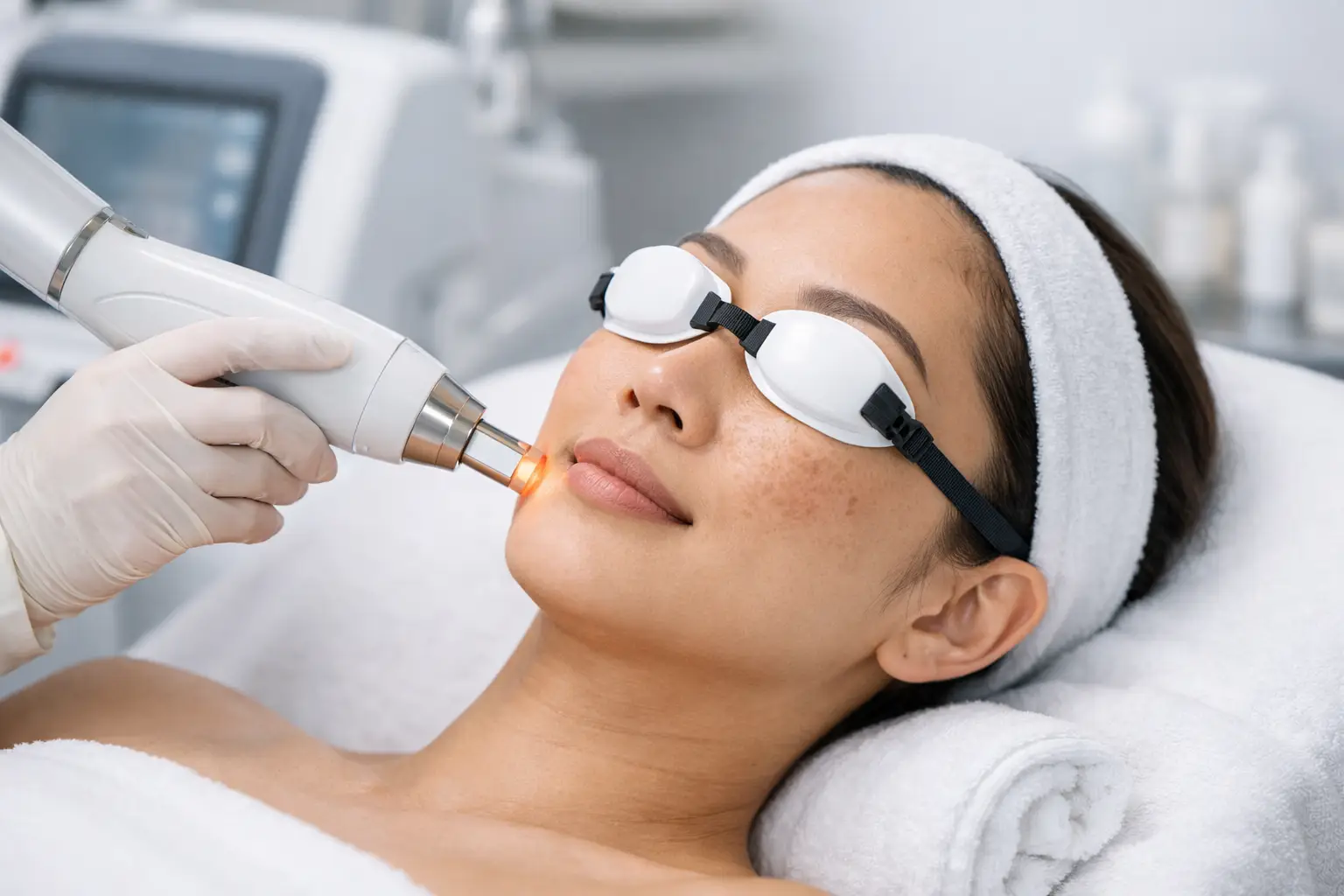
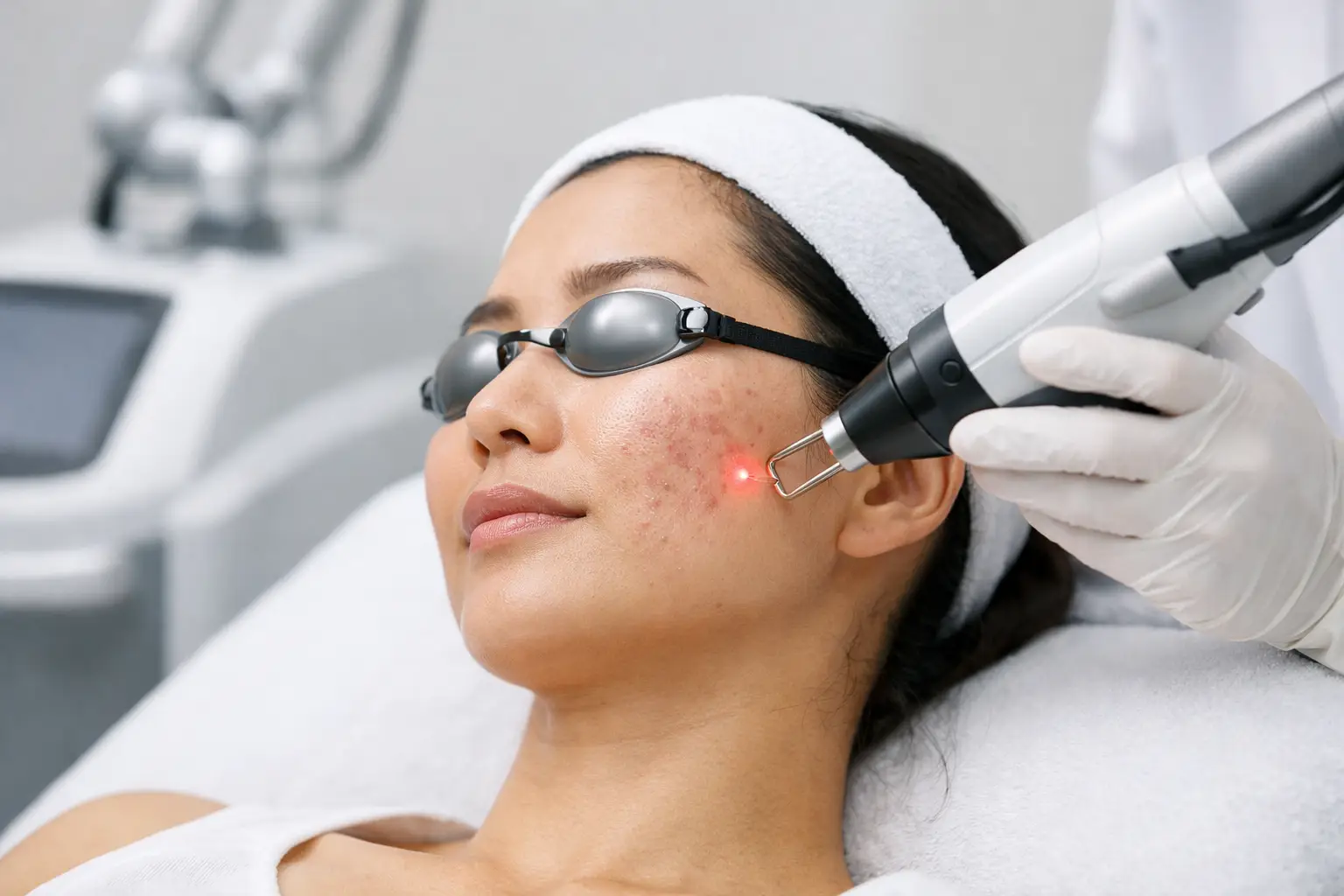
During the procedure, the patient will wear specialized protective eyewear. The sensation of a laser treatment is commonly described by patients as a series of mild, rapid snapping feelings against the skin, often accompanied by a sensation of warmth. The duration of the treatment depends on the size of the area being addressed but typically ranges from 15 to 30 minutes.
Post-Treatment Care and Recovery
Immediately following the treatment, it is common to experience mild erythema (redness) and slight swelling in the treated area, similar to a mild sunburn. Depending on the nature of the pigmentation and the target depth, some superficial dark spots may temporarily darken further or form a very fine micro-crust. This crust usually sheds naturally over the course of several days to a week. Patients are strongly advised not to pick at or scratch the treated areas, as this can lead to scarring or secondary hyperpigmentation.
If you’re considering laser pigmentation removal in Singapore, you might find it helpful to explore various skin treatment options available in the region. One informative article that delves into effective solutions for skin issues, including acne scarring, is available at Clear Skin Solutions That Work for Acne Scarring. This resource provides insights into different treatments that can complement laser procedures, helping you achieve clearer and more radiant skin.
Efficacy, Risks, and Suitability
| Treatment Center | Price Range | Number of Sessions | Effectiveness |
|---|---|---|---|
| Center A | 200 – 400 per session | 4-6 sessions | Highly effective |
| Center B | 300 – 500 per session | 6-8 sessions | Effective |
| Center C | 400 – 600 per session | 8-10 sessions | Moderately effective |
While energy-based skin treatments are well-established for managing pigmentation, they must be approached with a clear understanding of their biological limitations and potential risks.
Realistic Expectations and Potential Outcomes
It is essential to recognize that laser treatments are not a one-time cure. Pigmentation, especially chronic conditions like melasma, typically requires a program consisting of multiple sessions spaced several weeks apart to achieve a gradual fading. Furthermore, complete eradication of pigmentation is not always biologically possible. The clinical objective is usually to lighten the pigmentation and improve overall skin homogeneity. Results vary between individuals depending on their genetics, adherence to aftercare, and the nature of the pigmentation.
Possible Side Effects
Like all medical procedures, laser treatments carry potential risks. While severe complications are uncommon when procedures are performed by trained professionals, potential side effects may include:
- Hyperpigmentation: A temporary or prolonged darkening of the skin due to post-inflammatory responses, prominent in darker skin types.
- Hypopigmentation: A loss of natural skin color in the treated area, which can sometimes be long-lasting.
- Erythema and Edema: Prolonged redness or swelling.
- Blistering or Burns: Rare, but possible if excessive thermal energy is absorbed by the skin.
Who Might Not Be Suitable for Laser Treatments?
Not every individual is a suitable candidate for laser procedures. Contraindications generally include:
- Pregnant or breastfeeding individuals (due to a lack of safety data and hormonal fluctuations).
- Individuals with active skin infections, such as cold sores (Herpes Simplex virus) or bacterial infections in the treatment area.
- Those with a history of abnormal scarring, such as keloids.
- Individuals who have recently used systemic isotretinoin for severe acne, as this can affect skin healing.
- Patients who have had recent unprotected sun exposure or have an active tan.
If you’re considering laser pigmentation removal in Singapore, you might also be interested in exploring other advanced skin treatments available in the region. One such option is HIFU, or High-Intensity Focused Ultrasound, which offers a non-invasive approach to skin tightening and rejuvenation. For more information on this innovative treatment, you can read about it in this article on the best HIFU treatment in Singapore here. This could provide you with a broader perspective on the various aesthetic procedures that can enhance your skin’s appearance.
Managing and Preventing Pigmentation Long-Term
Laser treatments can effectively manage existing pigment, but they do not stop the aging process or shield the skin from future UV exposure. Therefore, ongoing maintenance is an integral part of any aesthetic protocol.
Sun Protection Strategies
The cornerstone of any pigmentation management strategy is strict sun protection. In Singapore’s high-UV environment, this incorporates the daily application of a broad-spectrum sunscreen. Medical professionals generally recommend using sunscreens that offer high protection against both UVA (which causes aging and pigmentation) and UVB (which causes burning) rays. Sunscreen must be reapplied periodically throughout the day, especially after sweating or prolonged outdoor exposure.
In addition to topical sun protection, mechanical barriers such as broad-brimmed hats, UV-protective umbrellas, and sunglasses provide crucial defensive layers against environmental damage.
Skincare Maintenance Routine
Clinicians often recommend integrating targeted topical skincare formulations to complement energy-based treatments. Ingredients such as Vitamin C, niacinamide, kojic acid, tranexamic acid, and alpha-hydroxy acids may help to gently exfoliate the skin and inhibit the overproduction of melanin at a cellular level. It is highly advised to use medical-grade or clinically validated skincare products under the guidance of a professional, as over-the-counter misuse of certain active ingredients can irritate the skin and exacerbate pigmentation issues.
Periodic Review and Follow-up
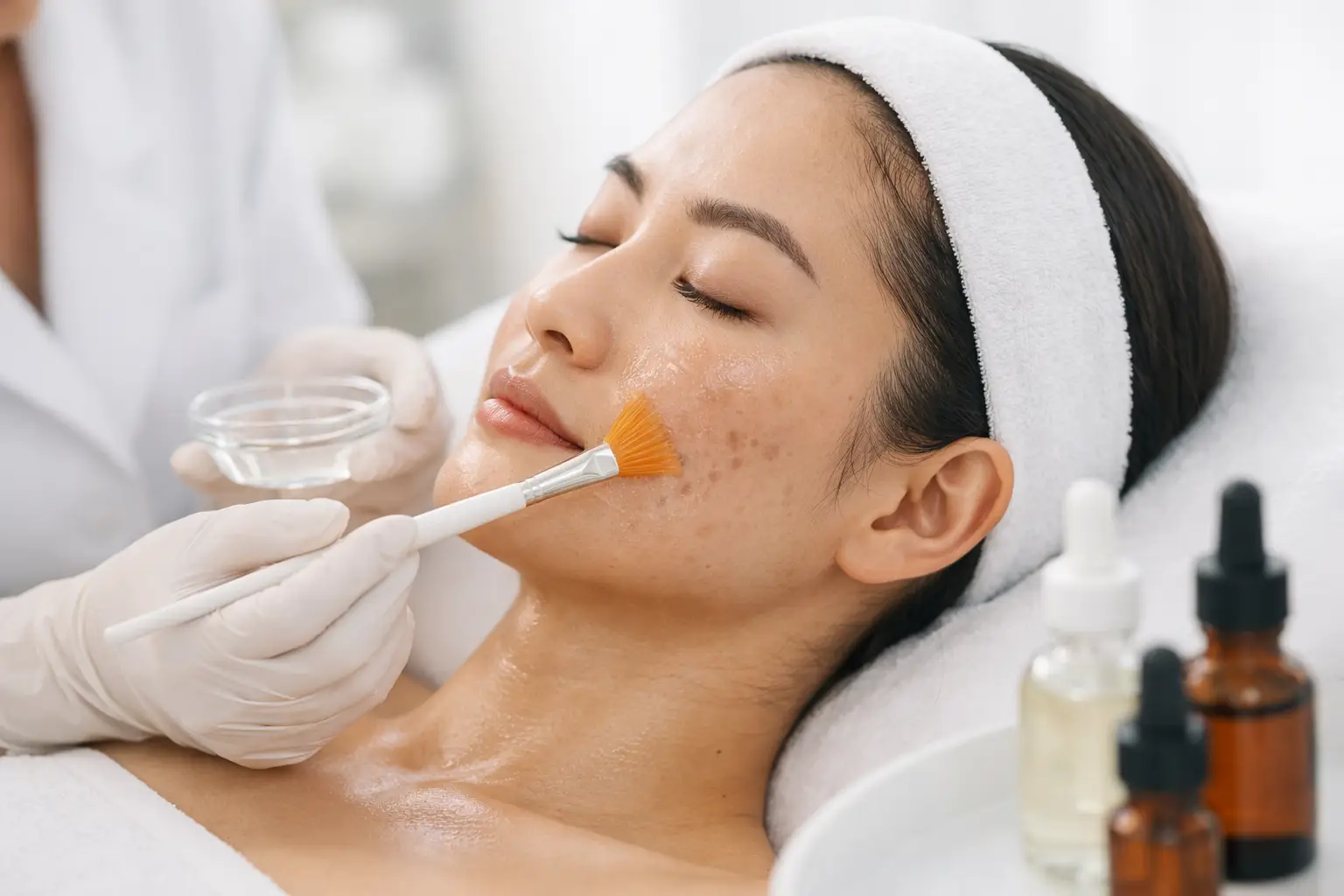
Because skin evolves over time based on age, hormonal shifts, and lifestyle changes, the management of pigmentation is an ongoing journey. Periodic reviews with a medical practitioner allow for the adjustment of treatment parameters and skincare regimens. In some cases, a clinician may recommend a maintenance schedule of non-ablative energy-based treatments or chemical peels to sustain the clarity of the skin over the long term.
Managing uneven skin tone in a tropical climate requires a multi-faceted approach. By combining a solid understanding of skin biology with professional medical advice, appropriate energy-based treatments, and rigorous sun protection, individuals can make informed decisions regarding their aesthetic health. As individual suitability and results can vary substantially, the first and most critical step is always to seek consultation with a qualified medical practitioner to obtain a precise diagnosis and a safely customized care plan.
FAQs
What is laser pigmentation removal?
Laser pigmentation removal is a non-invasive cosmetic procedure that uses laser technology to target and break down excess melanin in the skin, reducing the appearance of pigmentation such as sun spots, age spots, and freckles.
How does laser pigmentation removal work?
During the procedure, a specialized laser is used to emit light energy that is absorbed by the pigmented areas of the skin. This energy breaks down the excess melanin, which is then naturally eliminated by the body, resulting in a more even skin tone.
Is laser pigmentation removal safe?
When performed by a qualified and experienced practitioner, laser pigmentation removal is generally considered safe. However, there may be some risks and side effects, such as temporary redness, swelling, or changes in skin pigmentation. It is important to consult with a dermatologist or licensed aesthetician to determine if the procedure is suitable for your skin type and condition.
How many sessions are typically required for laser pigmentation removal?
The number of sessions required for laser pigmentation removal can vary depending on the individual’s skin type, the severity of the pigmentation, and the specific laser technology used. On average, patients may need anywhere from 3 to 6 sessions spaced several weeks apart to achieve optimal results.
Where can I find laser pigmentation removal in Singapore?
Laser pigmentation removal services are offered by dermatology clinics, medical spas, and aesthetic centers in Singapore. It is important to research and choose a reputable and licensed facility with qualified practitioners to ensure a safe and effective treatment.