
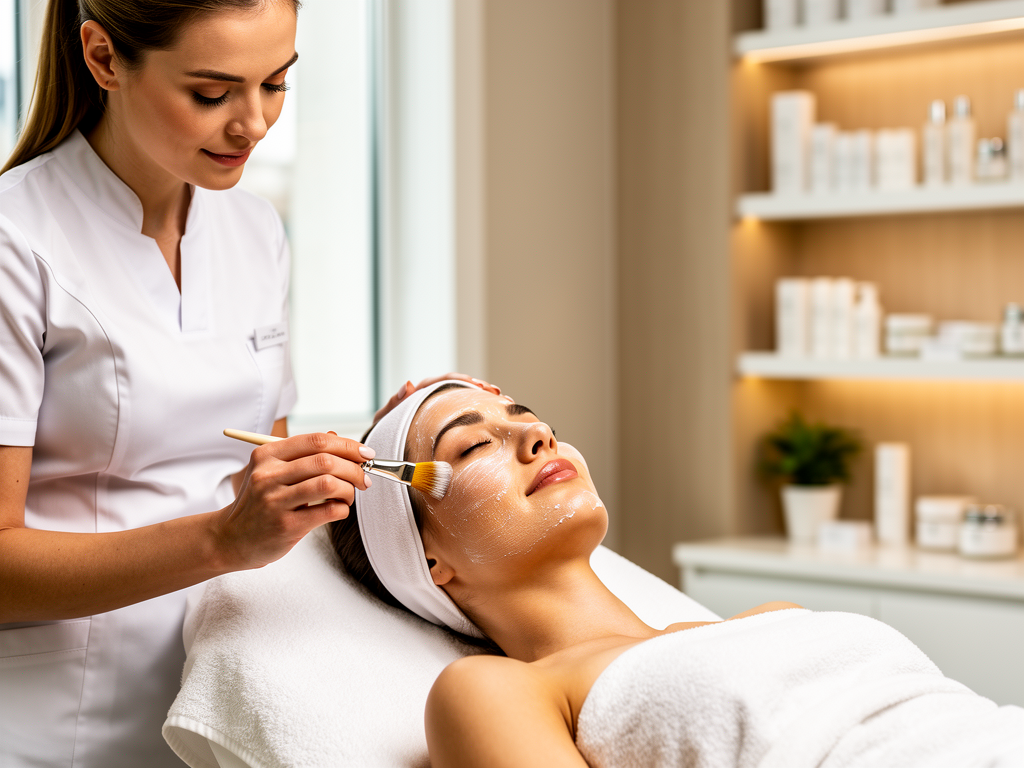
Mesotherapy is a minimally invasive dermatological and aesthetic procedure that involves the administration of active substances directly into the middle layer of the skin, known as the dermis. Originally developed in France in the mid-twentieth century for medical applications, the technique has evolved significantly over the decades. Today, it is widely utilized within aesthetic clinics […]

In the contemporary landscape of medical aesthetics, non-surgical clinical interventions have developed into fundamental instruments for facial management and tissue maintenance. Among the modalities available to registered medical professionals, botulinum toxin interventions frequently serve as a primary methodology for addressing the physiological manifestations of aging linked directly to human muscular contractility. Rather than fundamentally altering […]
Aesthetic medicine continues to evolve, offering various methodologies aimed at addressing age-related skin changes. In Singapore, medical practitioners often utilize multi-dimensional, energy-based skin treatments to target different depths of the facial tissues. One well-established approach involves a comprehensive four-step laser protocol utilizing two distinct wavelengths: Neodymium-doped Yttrium Aluminum Garnet (Nd:YAG) and Erbium-doped Yttrium Aluminum Garnet […]

The pursuit of maintaining skin health and addressing the physiological signs of aging involves multiple clinical approaches. While injectable procedures such as botulinum toxin treatments, hyaluronic acid fillers, and other collagen-stimulating treatments address specific rhytids and volume depletion, non-invasive, needle-free therapies offer alternative pathways for dermal remodeling. Needle-free rejuvenation encompasses a broad spectrum of modalities […]
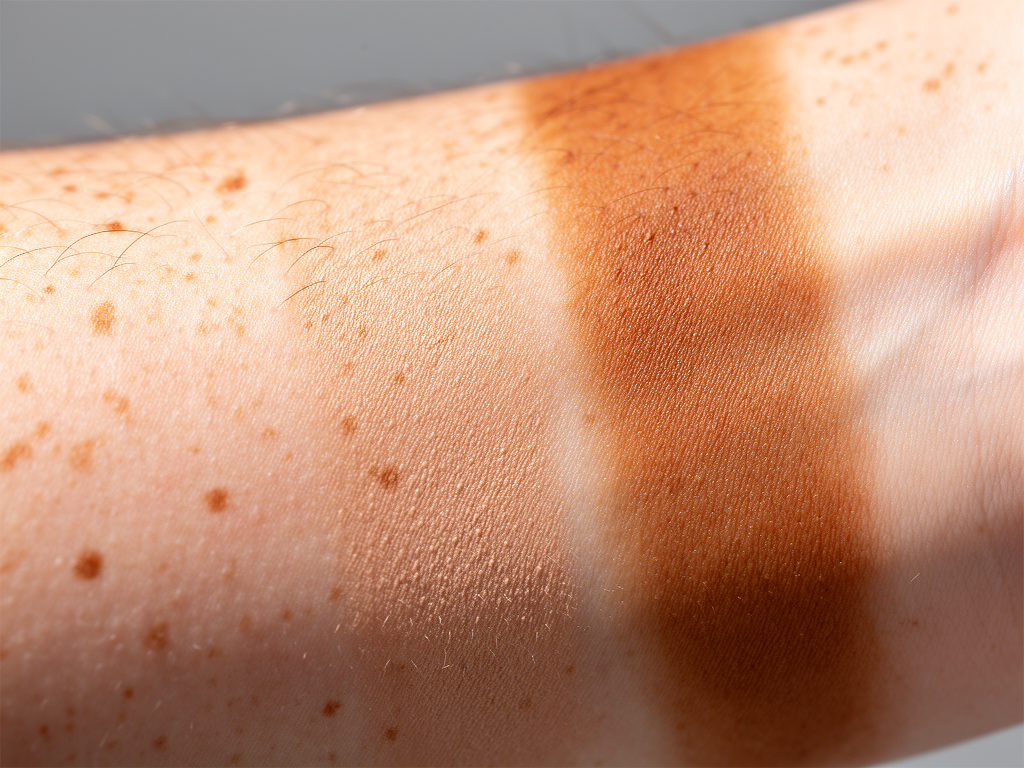
Skin pigmentation refers to the coloration of human skin, which is primarily determined by the synthesis and distribution of melanin. In Singapore, continuous exposure to high ultraviolet index levels year-round, combined with humidity and inherent genetic predispositions, frequently contributes to various hyperpigmentation concerns among the population. Managing these conditions requires a thorough understanding of dermatology […]
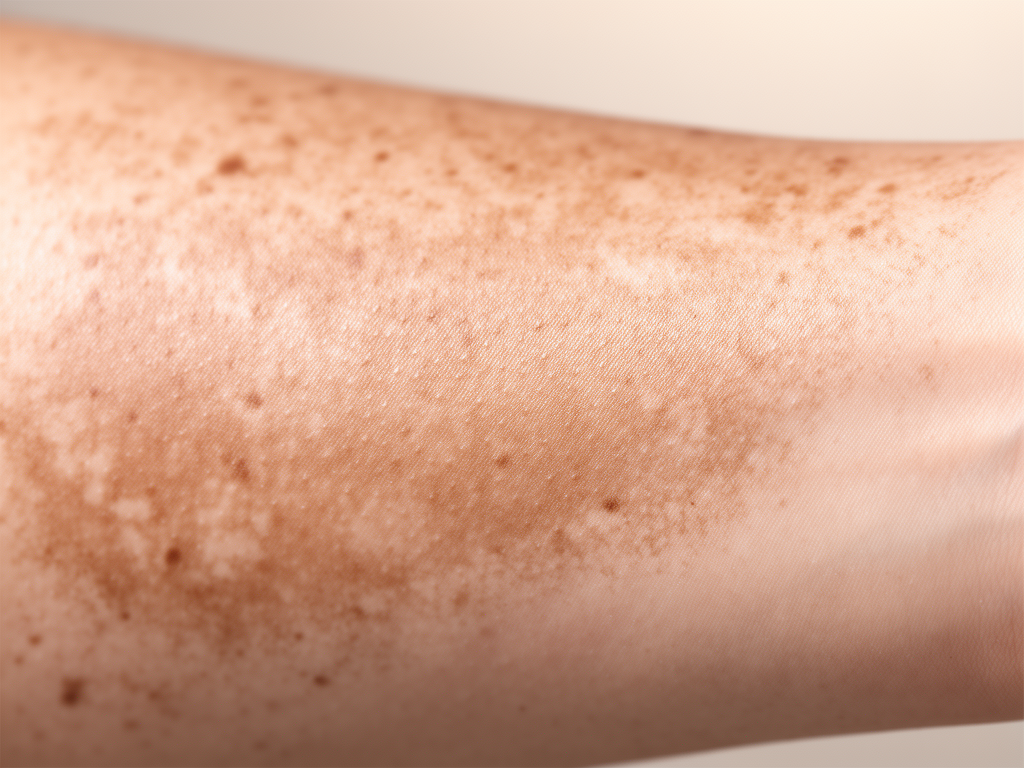
Skin pigmentation refers to the colouring of the human skin, which is structurally determined by the cellular production of a complex polymer called melanin. When melanin biologically accumulates irregularly or in excessive concentrations, it physically manifests as dark patches, discrete spots, or generalized uneven skin tone. In a thoroughly constant tropical climate like Singapore, year-round […]
The natural aging process brings about several physiological changes to the human skin and underlying facial structures. Over time, individuals typically experience a gradual decline in the production of essential structural proteins, primarily collagen and elastin, alongside changes in bone density and facial fat distribution. These biological shifts often manifest outwardly as skin laxity, the […]
Energy-based skin treatments have become a prominent component of dermatological and aesthetic practice. Among these modalities, picosecond laser technology represents a specific category of optical devices utilized to address various dermatological concerns. Rather than relying on prolonged heat exposure, these devices operate on ultra-short pulse durations to target chromophores—such as melanin or exogenous tattoo pigments—within […]
As individuals age, endogenous changes within the physical structures of the face, combined with environmental factors, gradually lead to the loss of skin elasticity and firmness. In aesthetic medicine, numerous modalities aim to address these signs of aging gracefully and conservatively. One such modality that has become established in dermatological and aesthetic practice is High-Intensity […]